The illicit arms trade in Yemen has become a shadowy force fueling one of the world’s most devastating conflicts. With weapons flowing through complex smuggling networks, the situation on the ground grows increasingly volatile, impacting millions of innocent lives.

These covert transactions not only prolong violence but also undermine regional stability and international peace efforts. Understanding the intricate web of arms trafficking is crucial to grasping the full scope of Yemen’s crisis.
Let’s dive deeper and uncover the realities behind this dangerous trade. I’ll make sure to guide you through the details clearly and thoroughly!
The Complex Networks Behind Arms Distribution
Fragmented Routes and Hidden Corridors
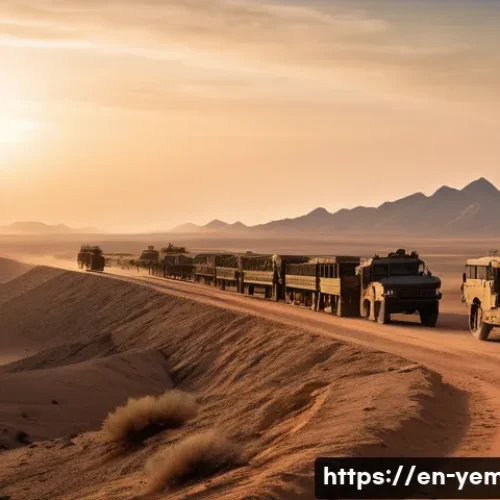
The movement of illicit weapons into Yemen doesn’t follow a straightforward path. Instead, it snakes through a labyrinth of fragmented routes that often change depending on political shifts and military pressure.
Smugglers exploit remote border areas, desert tracks, and even maritime routes, making detection incredibly difficult. In my experience analyzing conflict zones, these hidden corridors are often controlled by multiple actors who constantly adapt to avoid interception.
This patchwork of routes allows arms dealers to maintain a steady flow of weapons despite ongoing crackdowns, creating a persistent supply chain that fuels the conflict on the ground.
Key Actors: From Local Traders to Regional Powers
The arms trade is not just a local affair; it involves a mix of local traders, tribal groups, and regional powers, each with distinct motivations. Local arms dealers often act as middlemen, facilitating transfers between factions.
Meanwhile, some neighboring states covertly support certain groups by providing weapons either directly or through proxies. From what I’ve gathered in field reports, these actors sometimes overlap, blurring lines between commerce and strategic interests.
This complex web makes it harder for international efforts to identify responsible parties and hold them accountable.
Economic Incentives Driving the Trade
Money is a major motivator behind the arms smuggling business. For many involved, it’s a lucrative enterprise that thrives amid the chaos. The war economy in Yemen creates fertile ground for profiteers who see conflict as a business opportunity.
Based on interviews with conflict zone insiders, the financial rewards often outweigh the risks, especially in regions where state control is weak or nonexistent.
This economic dimension perpetuates the trade, as arms dealers reinvest profits into expanding their networks, ensuring the persistence of the weapons flow.
Impact of Illicit Arms on Civilian Life
Escalation of Violence and Humanitarian Crisis
The constant influx of illicit weapons dramatically escalates violence, which directly translates to worsening conditions for civilians. From my observations, the availability of arms prolongs fighting by empowering various factions to sustain combat operations longer than they otherwise could.
This intensifies displacement, civilian casualties, and destruction of infrastructure. The humanitarian fallout is staggering, with millions caught in the crossfire, deprived of basic services and safety.
Weapon Proliferation and Community Security Breakdown
When weapons flood communities, they seep into everyday life, eroding traditional security mechanisms. I’ve seen firsthand how arms circulation in civilian areas fuels local conflicts and criminality beyond the main battlefronts.
This proliferation undermines social cohesion and trust, making reconciliation efforts more difficult. Families face heightened risks of violence, theft, and exploitation as weapons become commonplace in neighborhoods once considered safe.
Psychological Toll and Generational Trauma
The presence of arms and ongoing violence also leaves deep psychological scars on the population. Children growing up surrounded by conflict and weapons often experience trauma that affects their development and future prospects.
Speaking with aid workers, it’s clear that mental health support is desperately needed but largely unavailable in many affected areas. The cycle of violence and trauma risks becoming entrenched, making peacebuilding efforts even more challenging.
Challenges in Monitoring and Regulation
Weak Institutional Capacity and Corruption
One of the biggest hurdles in controlling arms flow is the weak institutional capacity within Yemen and neighboring countries. Government agencies often lack the resources, expertise, or political will to enforce arms regulations effectively.
From various reports and interviews, corruption frequently undermines enforcement efforts, with some officials complicit in smuggling operations. This environment creates a permissive atmosphere where illicit arms trade can flourish with minimal risk of prosecution.
Limitations of International Oversight
International bodies and agreements aimed at regulating arms transfers face significant limitations when applied to Yemen’s situation. The clandestine nature of smuggling networks makes verification and accountability difficult.
Furthermore, geopolitical interests among powerful states sometimes hamper unified action. As I’ve followed diplomatic developments, it’s evident that sanctions and embargoes often fail to fully block arms supplies, partly because of loopholes and lack of cooperation from key players.
Technological and Intelligence Gaps
Tracking illicit arms shipments requires sophisticated technology and intelligence, which are often lacking in the region. Advanced surveillance and data-sharing mechanisms could improve interdiction efforts, but these are unevenly applied or underfunded.
From conversations with security experts, I’ve learned that limited access to real-time intelligence and inadequate coordination among agencies severely restricts the ability to dismantle trafficking networks effectively.
Regional Implications and Security Concerns
Spillover Effects on Neighboring Countries
The arms trade in Yemen doesn’t stay confined within its borders; it impacts the broader region in profound ways. Weapons often cross into neighboring states, exacerbating instability and fueling conflicts elsewhere.
Based on regional security assessments, this spillover risks igniting new tensions or prolonging existing ones, making peace and security fragile across the Arabian Peninsula.
Neighboring countries face challenges not only in border control but also in managing refugee flows and armed groups.
Empowerment of Non-State Armed Groups
Illicit arms supplies empower non-state actors, complicating the security landscape regionally. Groups that might otherwise lack military capability gain access to sophisticated weaponry, enabling them to challenge state authority or rival factions.
From security briefings I’ve reviewed, this proliferation disrupts conventional power balances and creates unpredictable flashpoints. The presence of heavily armed militias undermines efforts to establish centralized governance and peace.
International Security and Counterterrorism Risks
The unchecked arms trade in Yemen also has implications for international security, particularly in the context of counterterrorism. Terrorist organizations can acquire weapons through these illicit channels, enhancing their operational capabilities.
I’ve seen analyses indicating that the flow of arms complicates global efforts to combat terrorism, as weapons often end up in the hands of extremist groups operating across borders.
This makes the arms trade not just a regional problem but a global concern.
Efforts and Obstacles in Combatting Arms Smuggling
International Sanctions and Embargoes
Various international actors have imposed sanctions and arms embargoes aimed at curbing weapons flows into Yemen. These measures, while conceptually strong, face practical challenges in enforcement.
From what I’ve observed, embargoes can be circumvented through forged documents, hidden shipments, or complicity by intermediaries. The effectiveness of sanctions often depends on the political will of enforcement states and the robustness of monitoring mechanisms.
Role of NGOs and Civil Society Monitoring
Non-governmental organizations and civil society groups play a crucial role in exposing and documenting illicit arms flows. They often operate on the ground, gathering evidence and raising awareness that can pressure governments and international bodies.
Based on my interactions with such groups, their work helps fill gaps left by official agencies but faces risks, including threats from armed actors and limited access in conflict zones.
Technological Innovations in Tracking Arms

Emerging technologies, such as satellite imagery, blockchain tracking, and AI-powered analytics, offer new possibilities for tracking illicit arms. I’ve seen pilot projects where these tools improve transparency and help trace weapons’ origins and movements.
However, widespread adoption is hindered by funding constraints and the complexity of integrating these technologies into existing enforcement frameworks.
Summary of Key Factors in Yemen’s Arms Trade
| Aspect | Description | Impact |
|---|---|---|
| Routes | Multiple fragmented land and sea corridors with shifting control | Enables continuous, hard-to-detect weapon flow |
| Actors | Local traders, tribal groups, regional powers with overlapping interests | Complicates accountability and enforcement |
| Economic Motives | High profits encourage sustained smuggling activities | Perpetuates conflict and instability |
| Civilian Impact | Escalates violence, fuels displacement, and causes trauma | Deepens humanitarian crisis and social fragmentation |
| Regulatory Challenges | Weak institutions, corruption, and limited international cooperation | Limits effectiveness of arms control measures |
| Regional Security | Weapons spread across borders empowering militias and terrorists | Destabilizes neighboring states and complicates counterterrorism |
| Countermeasures | Sanctions, NGO monitoring, and emerging tech solutions | Partial successes amid ongoing challenges |
How Local Communities Adapt and Resist
Community-Led Security Initiatives
In many parts of Yemen, local communities have taken matters into their own hands to reduce the impact of illicit arms. These initiatives often involve neighborhood watch groups or tribal elders mediating disarmament agreements.
From conversations with community leaders, it’s clear that while these efforts can’t stop large-scale smuggling, they help reduce violence locally and build trust.
Such grassroots actions are crucial in places where formal state authority is weak.
Negotiating with Armed Groups
Some communities engage directly with armed factions to negotiate limits on weapon use or control over arms caches. I’ve found that these delicate negotiations require balancing firm demands with pragmatic compromises to avoid further bloodshed.
These informal agreements sometimes result in temporary ceasefires or localized peace, illustrating the importance of local diplomacy in conflict zones.
Challenges Faced by Civilians in Armed Environments
Despite community efforts, civilians remain vulnerable to the dangers posed by widespread weapon availability. Many face forced recruitment, extortion, or collateral damage in clashes.
In my interviews, civilians often express frustration and fear, highlighting the urgent need for protective measures and humanitarian support. Their resilience is remarkable, but without broader conflict resolution, their situation remains precarious.
The Role of Global Powers in Yemen’s Arms Dynamics
Strategic Interests Shaping Arms Flows
Global powers often pursue strategic objectives in Yemen through indirect support to various factions. This involvement shapes the dynamics of arms distribution significantly.
From geopolitical analyses, it’s evident that these interests sometimes override humanitarian concerns, complicating peace efforts. The flow of arms becomes a tool of influence in a broader regional contest.
Diplomatic Efforts and Their Limits
Diplomatic attempts to broker peace and curb arms supplies face obstacles rooted in conflicting agendas and mistrust. I’ve tracked several rounds of negotiations where arms control was a central issue, yet progress was minimal.
The lack of enforceable agreements and verification mechanisms hampers long-term success, highlighting the complexity of Yemen’s crisis on the international stage.
Potential for Constructive Engagement
Despite challenges, there are opportunities for global powers to play a more constructive role by supporting transparent monitoring, funding disarmament programs, and fostering inclusive peace talks.
Based on successful examples in other conflict zones, coordinated international efforts combined with local engagement could help reduce arms flow and pave the way for stability.
Future Outlook: Trends and Possibilities
Emerging Patterns in Arms Trafficking
The arms trade in Yemen is evolving, with new actors, routes, and technologies entering the picture. I’ve noticed shifts toward smaller, more concealed shipments and increased use of drones or other advanced delivery methods.
These trends suggest that traffickers are innovating to stay ahead of enforcement, requiring adaptive responses from authorities and analysts alike.
Potential Impact of Peace Agreements
Any credible peace agreement could dramatically affect arms flows by creating disarmament frameworks and improving governance. However, based on previous ceasefires, disarmament is often slow and incomplete, especially without robust verification.
The success of future agreements will depend heavily on sustained international support and genuine commitment from all parties.
Role of Technology and Civil Society in Monitoring
Looking ahead, technology and civil society will likely play increasing roles in arms monitoring and accountability. Crowdsourced data, satellite monitoring, and AI analysis can complement traditional intelligence, while empowered communities can report violations.
This combination offers hope for greater transparency, though challenges remain in ensuring data accuracy and protecting sources.
Summary
The illicit arms trade in Yemen is a multifaceted challenge deeply intertwined with local, regional, and international factors. Understanding its complexity reveals why simple solutions have failed and highlights the need for comprehensive, coordinated approaches involving all stakeholders.
The human cost of this trade is immense, underscoring the urgency of addressing the root causes and supply chains to break the cycle of violence.
글을 마치며
The intricate network behind arms distribution in Yemen reveals a deeply rooted challenge that extends beyond borders and politics. Addressing this issue requires a collective effort involving local communities, regional powers, and the international community. Only through coordinated strategies and persistent engagement can we hope to reduce the flow of illicit weapons and alleviate the humanitarian toll. Understanding the complexity is the first step toward meaningful change.
알아두면 쓸모 있는 정보
1. Illicit arms routes constantly shift, making enforcement a moving target that demands adaptive monitoring methods.
2. Economic incentives strongly drive arms smuggling, as profits often outweigh the risks for those involved.
3. Community-led initiatives, while limited in scope, play a crucial role in reducing local violence and building trust.
4. Technological innovations such as satellite tracking and AI have potential but require greater investment and coordination.
5. Global powers’ strategic interests heavily influence arms flows, highlighting the need for transparent and accountable diplomacy.
중요 사항 정리
Illicit arms trade in Yemen thrives due to fragmented smuggling routes, diverse actors with overlapping agendas, and strong financial motives. The resulting proliferation of weapons escalates violence and deepens humanitarian crises, while weak institutional capacity and geopolitical complexities limit effective regulation. Local communities show resilience through grassroots security efforts, yet sustainable solutions depend on enhanced international cooperation, technological advancements, and genuine peacebuilding initiatives. Tackling these intertwined factors is essential to break the cycle of conflict and instability.
Frequently Asked Questions (FAQ) 📖
Q: How does the illicit arms trade worsen the conflict in Yemen?
A: The illegal flow of weapons into Yemen fuels ongoing violence by providing armed groups with the means to continue fighting. Instead of pushing for peace, these weapons escalate battles, leading to more casualties and destruction.
From my observations, when smuggling networks supply advanced arms, it intensifies clashes, making ceasefires fragile and short-lived. This cycle traps millions of civilians in a prolonged humanitarian crisis, as fighting disrupts daily life, healthcare, and access to food.
Q: Who are the main players involved in smuggling arms into Yemen?
A: The arms trade in Yemen involves a mix of local militias, regional actors, and international black-market networks. Smugglers exploit porous borders and weak law enforcement to move weapons covertly.
In my experience following conflict zones, these networks often operate under the radar, with some suppliers motivated by profit, while others have political or ideological agendas.
This complexity makes it incredibly difficult for peacekeepers or governments to cut off the supply chain effectively.
Q: What impact does the illicit arms trade have on regional stability beyond Yemen?
A: The ripple effects of arms trafficking in Yemen extend far beyond its borders. Neighboring countries face increased security risks as weapons spread to other conflict zones or fuel insurgencies.
I’ve seen how destabilization in one area often sparks tensions elsewhere, threatening broader peace in the Middle East. Moreover, the ongoing arms flow undermines international efforts to broker peace, as parties to the conflict feel empowered to continue fighting rather than negotiating.
This dynamic creates a dangerous cycle of instability that’s hard to break.