Hey there, fellow movie buffs and curious minds! It’s your favorite English blog influencer here, and I’m absolutely thrilled to dive into a topic that I’ve personally found incredibly compelling lately.
You know, sometimes the most profound stories come from places we rarely see on the big screen, and exploring cinema from underrepresented regions can open up whole new worlds of understanding and emotion.
It’s truly amazing how film can act as a window, allowing us to connect with cultures and experiences far removed from our own, and honestly, that’s what keeps me coming back for more.
Speaking of unique perspectives, let’s talk about Yemen. When you think of films related to Yemen, perhaps “Salmon Fishing in the Yemen” pops into mind, a charming fiction that subtly introduced many to the country.
However, the true gems, in my humble opinion, are often the powerful documentaries and recent feature films emerging from or about this nation, offering raw and deeply human insights into its rich history, culture, and, yes, even its ongoing struggles.
For instance, films like “The Burdened” by Amr Gamal, which made history at the Berlin Film Festival, give us a glimpse into the everyday lives of Yemeni families facing incredible challenges, moving beyond typical Western narratives of conflict and famine to showcase resilience and complex personal decisions.
Then there are compelling documentaries such as “Hunger Ward” or “Yemen: The Silent War,” which, released in 2020 and 2018 respectively, vividly bring to light the humanitarian crisis and the untold stories of its people, helping us understand the geopolitical landscape and human impact in a way news reports alone often can’t.
It’s a testament to the enduring spirit of Yemeni filmmakers who, despite immense difficulties, continue to portray their country to the wider world. These works aren’t just entertainment; they’re vital reflections of a transitioning nation and its people’s unwavering spirit.
Let’s explore them together in the post that follows!
Alright, let’s dive deep into the heart of Yemeni storytelling, because believe me, there’s so much more to discover beyond what often makes the headlines.
I’ve been so captivated by the raw honesty and sheer power coming out of this region, and I can’t wait to share my latest finds with you all. It’s like stepping into a whole new world, right?
Unveiling Untold Narratives from the Heart of Yemen
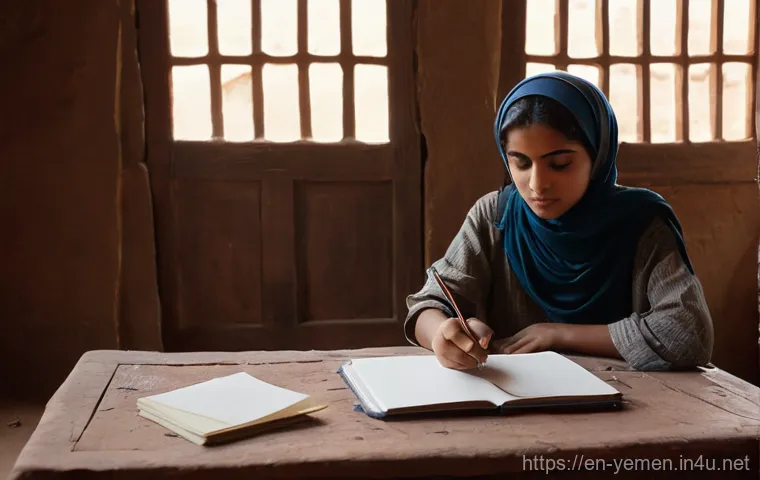
The Power of Authentic Voices
It’s truly something else when you get to experience stories straight from the source, isn’t it? For me, there’s an undeniable connection you feel when a film isn’t just about a place, but *from* a place, crafted by the very people who live its realities.
Yemeni cinema, though often facing immense hurdles, embodies this spirit perfectly. These aren’t just fictional tales spun for entertainment; they are windows into deeply human experiences, reflecting the resilience, the struggles, and the vibrant culture of a nation often misunderstood.
I’ve noticed a shift lately, where filmmakers are intentionally moving past simplistic portrayals of conflict, choosing instead to focus on the nuanced, everyday lives of individuals.
It’s about showing the world the full spectrum of what it means to be Yemeni, beyond just the news cycle, and honestly, that’s incredibly compelling storytelling.
These films peel back layers, allowing us to see the humor, the love, the familial bonds, and the unwavering spirit that persists even in the toughest of times, making them incredibly potent and emotionally resonant.
I find myself constantly thinking about these characters long after the credits roll, a testament to their authentic portrayal.
Human Stories Beyond the Headlines
We often hear about Yemen in terms of geopolitics or humanitarian crises, and while those are undeniably important, I’ve found that film offers a unique lens to understand the *human* impact of these situations.
It’s one thing to read a statistic, but it’s an entirely different, much more profound experience to see a story unfold through the eyes of a child, a parent, or a community leader.
Films like “The Burdened” truly stand out in this regard. When I watched it, I felt like I was right there with the family, grappling with their impossible choices, their quiet dignity, and their unbreakable spirit.
It’s a powerful reminder that behind every headline are real people navigating complex lives with courage and determination. These films don’t just inform; they invite empathy, fostering a connection that transcends geographical boundaries.
They allow us to witness personal sacrifices, small victories, and the enduring hope that fuels people forward, which, speaking from my own experience, always leaves a lasting impression and broadens my perspective on humanity.
The Resilient Spirit of Yemeni Storytelling
Crafting Art Amidst Adversity
You know, it takes an extraordinary level of dedication and passion to create art in challenging circumstances, and Yemeni filmmakers exemplify this beautifully.
Imagine trying to secure funding, gather a crew, find safe locations, and manage post-production in a region grappling with ongoing conflict and limited resources.
It sounds impossible, right? Yet, these artists are not only making films, but they’re crafting works that are internationally recognized and critically acclaimed.
It speaks volumes about their commitment to telling their stories and ensuring their voices are heard globally. I’m constantly in awe of their resourcefulness and determination.
They are truly pioneers, paving the way for future generations of Yemeni storytellers and proving that creativity can flourish even in the most barren of landscapes.
This isn’t just about filmmaking; it’s about an act of cultural preservation and a defiant declaration of existence through art. It really makes you appreciate the finished product so much more, knowing the journey it took to get there.
Breaking Barriers on the Global Stage
What really excites me is seeing these films gain traction and recognition at major international festivals. When “The Burdened” made waves at the Berlin Film Festival, it wasn’t just a win for the filmmakers; it was a win for Yemeni cinema as a whole.
It opened doors, sparked conversations, and brought vital attention to stories that deserve to be heard by a wider audience. I’ve noticed how these successes inspire other aspiring filmmakers within Yemen, creating a ripple effect of creativity and ambition.
This global exposure is crucial, not only for the films themselves but for shaping international perceptions of Yemen. It’s a powerful way to counter stereotypes and present a more nuanced, human-centered narrative of the country and its people.
For me, these moments are a clear signal that the world is ready to listen, and that’s incredibly hopeful. It proves that compelling storytelling, regardless of its origin, has the power to unite and educate.
Documenting Realities: A Glimpse into Yemeni Life
Powerful Documentaries Shaping Understanding
Sometimes, the most impactful stories are the ones that are absolutely, unequivocally real. Documentaries from Yemen have a way of hitting you right in the gut, offering an unfiltered view into the complexities of life there.
When I watched “Hunger Ward,” for instance, I found it profoundly moving and heartbreakingly honest. It’s not an easy watch, by any stretch, but it’s essential viewing because it brings a level of immediacy and raw human experience that news reports, however detailed, simply can’t capture.
These films become historical records, capturing moments and perspectives that might otherwise be lost. They’re crafted with such care and a commitment to truth, allowing viewers to bear witness to the profound challenges and incredible resilience of the Yemeni people.
I often find myself recommending these documentaries because they offer such a vital, ground-level understanding that really sticks with you.
The Silent Stories Brought to Light
There are so many narratives that remain largely unspoken or unseen by the outside world, and documentaries are crucial in giving them a platform. “Yemen: The Silent War” is another prime example of how filmmakers are dedicated to illuminating these forgotten stories, pushing past the statistics to show the personal toll of conflict and hardship.
It’s a powerful experience to see the faces and hear the voices of those directly affected, sharing their experiences in their own words. These films don’t just present facts; they evoke a deep sense of humanity, challenging viewers to confront uncomfortable truths and fostering a greater sense of global citizenship.
I believe these stories are not just about Yemen; they’re about the universal human spirit, our capacity for endurance, and the constant search for dignity.
They make you reflect on your own place in the world and how interconnected we truly are.
The Evolving Landscape of Yemeni Cinema
New Voices and Creative Horizons
It’s incredibly exciting to see new filmmakers emerging from Yemen, each bringing their unique perspectives and pushing the boundaries of storytelling.
What I’ve personally noticed is a growing confidence in experimentation, blending traditional narratives with contemporary cinematic techniques. This isn’t just about telling stories; it’s about evolving the very language of Yemeni cinema.
These emerging voices are often tackling sensitive subjects with nuance and courage, reflecting a society that is complex and multifaceted. They are challenging internal perceptions as well as external ones, fostering a vibrant artistic dialogue both within Yemen and with the global film community.
It’s like watching a new artistic movement take shape, and being a part of observing that is truly special. I always get a thrill from seeing fresh talent rise up and truly make their mark.
Beyond Traditional Portrayals
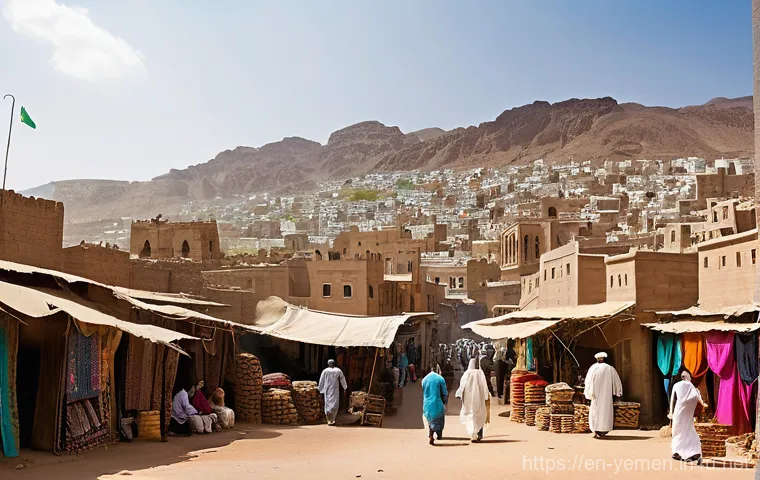
For too long, the narrative surrounding Yemen in media has been somewhat monolithic. However, I’m seeing a refreshing shift towards more diverse and varied portrayals in film.
It’s not just about conflict anymore; it’s about cultural identity, personal aspirations, the beauty of the landscape, and the rich history that defines the nation.
Films are exploring themes of hope, love, social change, and the pursuit of dreams against challenging backdrops. This expanded focus allows for a much richer tapestry of stories, offering a more complete and authentic picture of Yemen.
I personally feel this helps to dismantle simplistic stereotypes and replace them with a more nuanced understanding, allowing audiences to connect with the country on a deeper, more human level.
It’s a wonderful testament to the depth of creativity that exists there.
| Film Title | Year | Director | Key Theme/Focus |
|---|---|---|---|
| The Burdened | 2023 | Amr Gamal | Societal pressures, personal choices, family resilience in contemporary Yemen |
| Hunger Ward | 2020 | Skye Fitzgerald | Humanitarian crisis, famine, and medical response in Yemen |
| Yemen: The Silent War | 2018 | Various | Unreported human stories and consequences of conflict |
| 10 Days Before The Wedding | 2018 | Amr Gamal | Love, marriage, and daily life struggles in war-torn Aden |
The Unseen Impacts: How Cinema Shapes Perception
Building Bridges Through Shared Stories
What I find truly remarkable about cinema, especially films from regions like Yemen, is its incredible ability to build bridges between cultures. When you watch a film, you’re not just observing; you’re experiencing a slice of life from another part of the world, gaining insights into different customs, beliefs, and challenges.
These shared experiences foster a sense of connection and understanding that few other mediums can achieve. I’ve often felt my own perspective broaden dramatically after watching a powerful film from an unfamiliar culture.
It’s a powerful tool for cultural exchange, challenging preconceived notions and replacing them with empathy and genuine interest. I genuinely believe that these films contribute significantly to a more informed and compassionate global community, one story at a time.
It’s a reminder that beneath all our differences, our fundamental human experiences often resonate across borders.
Challenging Stereotypes and Fostering Empathy
Let’s be honest, media portrayals can sometimes paint a very narrow picture of certain parts of the world. Yemeni cinema, however, is actively working to dismantle these stereotypes by offering authentic, multifaceted representations.
Instead of seeing a monolithic “Yemen,” audiences are introduced to a diverse array of individuals, each with their own dreams, fears, and complexities.
This kind of storytelling is crucial for fostering empathy, as it allows viewers to see the common humanity that binds us all, regardless of our backgrounds.
When I see films that challenge the dominant narrative, it makes me think more deeply about how I consume information and the importance of seeking out diverse voices.
It’s a profound reminder that there’s always more to a place and its people than what’s presented on the surface, and film offers an incredible avenue to explore that depth.
Supporting Yemeni Filmmakers and Their Vision
The Importance of International Support
If you’re anything like me, you probably feel a strong pull to support artists who are creating meaningful work against significant odds. For Yemeni filmmakers, international support isn’t just helpful; it’s often absolutely essential.
This could come in the form of funding, equipment, training, or simply providing platforms for distribution and exhibition. Every bit of assistance helps these talented individuals continue their vital work of documenting and expressing their culture.
I’ve seen firsthand how a small grant or a festival screening can make a world of difference, opening up new opportunities and sustaining creative endeavors.
It’s about recognizing the immense value of their contributions to global cinema and ensuring that these crucial stories continue to be told. When we support these artists, we’re not just funding a film; we’re investing in voices that deserve to be amplified.
How Audiences Can Make a Difference
As viewers, we also have a role to play in championing Yemeni cinema. It’s not just about watching these films, although that’s a fantastic start! It’s about seeking them out at film festivals, supporting streaming platforms that feature diverse international content, and spreading the word among our friends and social circles.
Leaving reviews, engaging in discussions online, and even asking local theaters to screen these films can collectively create a powerful impact. When we actively engage with and promote these stories, we’re sending a clear message that there’s a demand for authentic voices from underrepresented regions.
My personal belief is that our collective curiosity and support can truly make a difference, helping these incredible films reach the wider audience they so richly deserve.
Every view, every share, every conversation contributes to building a stronger, more vibrant global cinematic landscape.
글을마치며
Well, what an incredible journey we’ve taken through the world of Yemeni cinema today, right? It truly fascinates me how these films, born from such challenging circumstances, manage to convey so much humanity, resilience, and beauty. I honestly hope this deep dive encourages you to seek out some of these powerful stories for yourself. It’s more than just watching a movie; it’s an act of connection, a way to broaden our understanding of the world, and a powerful testament to the enduring spirit of storytelling. Keep those curious minds open, and let these narratives truly resonate with you.
알아두면 쓸모 있는 정보
1. Explore Niche Streaming Platforms: Don’t just stick to the big-name streaming services! Platforms like Mubi, Kanopy (often free with a library card!), and various independent film archives specialize in international and art-house cinema, offering a treasure trove of films from regions like Yemen. You might just stumble upon your next favorite film.
2. Attend Virtual Film Festivals: Many international film festivals now offer online screenings, making it easier than ever to access diverse content from anywhere in the world. Keep an eye on the schedules for festivals like Berlinale, Cannes, and even smaller, regional ones that highlight specific cultures. It’s a fantastic way to discover new voices.
3. Follow Independent Film Critics and Blogs: To find truly impactful and often overlooked films, follow film critics and bloggers who specialize in global and independent cinema. They often provide insightful reviews and recommendations that mainstream media might miss, guiding you to hidden gems and deeper cultural understanding.
4. Support International Film Initiatives: Many non-profit organizations and foundations are dedicated to supporting filmmakers in conflict zones or developing countries. A small donation can go a long way in providing resources, training, and distribution opportunities for artists who are striving to tell their stories against immense odds. It’s a direct way to contribute to global cinema.
5. Engage with Online Film Communities: Join forums, subreddits, or social media groups dedicated to world cinema. These communities are vibrant spaces for discussion, recommendations, and learning about films you might never have discovered otherwise. Sharing your thoughts and discoveries with others enhances the viewing experience and keeps the conversation alive.
중요 사항 정리
What I really want you to take away from our chat today is the profound impact that Yemeni cinema is having, both locally and on the global stage. We’ve seen how these filmmakers, with incredible resilience and unwavering dedication, are crafting powerful narratives that transcend mere headlines and delve deep into the human experience. It’s truly inspiring to witness art flourishing amidst adversity, isn’t it?
These films aren’t just entertaining; they’re essential tools for building bridges of understanding, challenging pervasive stereotypes, and fostering a much-needed sense of empathy. By showcasing the nuanced realities of life in Yemen—the struggles, the triumphs, the everyday moments of humanity—they invite us to connect on a deeply personal level, reminding us of our shared humanity. From my own experiences watching these films, I’ve found them to be transformative, continually broadening my perspective and challenging my preconceptions. They really stick with you.
Ultimately, supporting Yemeni cinema, whether by watching the films, sharing your thoughts, or seeking out ways to contribute to their craft, is about amplifying vital voices. It’s about recognizing the universal power of storytelling and ensuring that these crucial narratives continue to reach the wide audience they so richly deserve. Let’s keep exploring, learning, and celebrating these incredible artistic achievements together.
Frequently Asked Questions (FAQ) 📖
Q: Why should I bother watching films from a place like Yemen, especially when I might not be familiar with its culture or history?
A: Oh, that’s a fantastic question, and one I’ve actually asked myself before diving into cinema from less-explored regions! My take on it is this: watching films from places like Yemen isn’t just about entertainment; it’s a profoundly enriching experience that broadens your worldview in ways you wouldn’t expect.
For me, it’s like discovering a secret garden – suddenly, you’re exposed to human stories that are incredibly universal, yet told through a lens and a cultural tapestry that feels refreshingly new.
It challenges those preconceived notions or even stereotypes we might unconsciously hold, often shaped by limited news cycles. When I watched “The Burdened,” for example, I wasn’t just seeing a story about a family in Yemen; I was seeing parents grappling with difficult choices, love, and resilience – emotions we all understand, no matter where we live.
It’s an opportunity to connect on a deeply human level, to truly see and feel the lives of others, and honestly, it makes you appreciate the incredible diversity of human experience on our planet.
It’s a powerful empathy machine, and I genuinely believe everyone should give it a try!
Q: What kind of stories are Yemeni filmmakers telling right now, and how are they different from what we usually see?
A: That’s where it gets truly exciting! For so long, when we heard about Yemen in the media, it was often through a very narrow, conflict-focused lens. But what I’ve personally discovered from recent Yemeni cinema is a powerful shift towards telling much more nuanced, human-centric stories that really peel back the layers.
Filmmakers like Amr Gamal, with his critically acclaimed “The Burdened,” are moving beyond just portraying conflict and famine to showcase the everyday lives, complex decisions, and enduring spirit of Yemeni people.
These aren’t just tales of struggle; they’re stories of incredible resilience, deep cultural pride, and the kind of personal dilemmas that resonate globally.
Think about it – instead of just headlines, you get to see a family debating tough ethical choices, experiencing joy amidst hardship, or simply navigating daily life in a way that feels incredibly authentic.
Documentaries like “Hunger Ward” or “Yemen: The Silent War” also offer crucial insights, but they do so by spotlighting individual experiences and untold narratives, helping us understand the profound human impact of geopolitical events rather than just the events themselves.
It’s about giving voice to the unheard and showing the world the true, multifaceted face of Yemen.
Q: I’m intrigued! Where can I actually find and watch these incredible Yemeni films?
A: I totally get that excitement – once you start exploring, you just want to see more! Now, finding these films can sometimes feel a bit like a treasure hunt, as they’re not always readily available on your mainstream streaming platforms.
From my own experience, the best places to start are international film festivals. Many Yemeni films, especially independent ones, gain traction and often premiere at prestigious festivals like the Berlin Film Festival (where “The Burdened” made history!) or others focused on Middle Eastern cinema.
Keep an eye on their schedules, as sometimes they offer virtual screenings or limited online access after the festival run. Beyond that, specialized streaming services that focus on world cinema or documentaries might host some titles.
Educational platforms or film archives can also be good resources for documentaries. It often takes a bit of digging, maybe even searching for specific production companies or distributors associated with the films you’ve heard about.
It might not be as simple as clicking a button on Netflix, but trust me, the reward of discovering these unique and powerful stories is absolutely worth the effort!