Hey there, fellow bookworms and curious minds! I don’t know about you, but I’m always on the hunt for voices that challenge my perspective and transport me to new worlds.
And let me tell you, when I stumbled upon the literary scene of Yemen, it was like discovering a hidden treasure trove! We often hear so much about its challenges, but what truly captivated me was the enduring power and breathtaking beauty of its poetry and prose.
From ancient tales that echo through generations to modern voices bravely speaking truth, Yemeni writers offer a rich tapestry of human experience that is incredibly profound and often, surprisingly uplifting.
Trust me, these aren’t just stories; they’re windows into a resilient culture, brimming with wisdom and unforgettable artistry. You’re seriously missing out if you haven’t explored this vibrant literary heritage yet.
Ready to dive into the inspiring world of Yemen’s most celebrated literary figures and uncover what makes their words so impactful? Let’s get right into it and explore the magic they’ve created!
Echoes from Antiquity: The Deep Roots of Yemeni Storytelling
Stepping into the world of Yemeni literature, one is immediately struck by the sheer depth of its history, a legacy that stretches back further than many might imagine. It’s like discovering an ancient, sprawling tree, its roots firmly embedded in millennia of cultural soil. Before the advent of widespread literacy, stories and poems weren’t just entertainment; they were the very fabric of society, passed down with reverence from generation to generation. I remember my first encounter with snippets of pre-Islamic Yemeni poetry, and I was completely captivated by the vivid imagery and the intricate structures they employed. These aren’t just pretty words; they are historical records, moral compasses, and communal bonds, all wrapped up in lyrical expression. It truly highlights how deeply ingrained storytelling is in the Yemeni soul, functioning as a powerful means of preserving identity, values, and the collective memory of a people who have witnessed so much history unfold. When you dig a little deeper, you realize that this oral tradition is still very much alive, adapting to modern times while holding onto the core essence that makes it so uniquely Yemeni. It’s a testament to resilience and an unbroken chain of human connection through narrative.
The Enduring Power of Oral Traditions
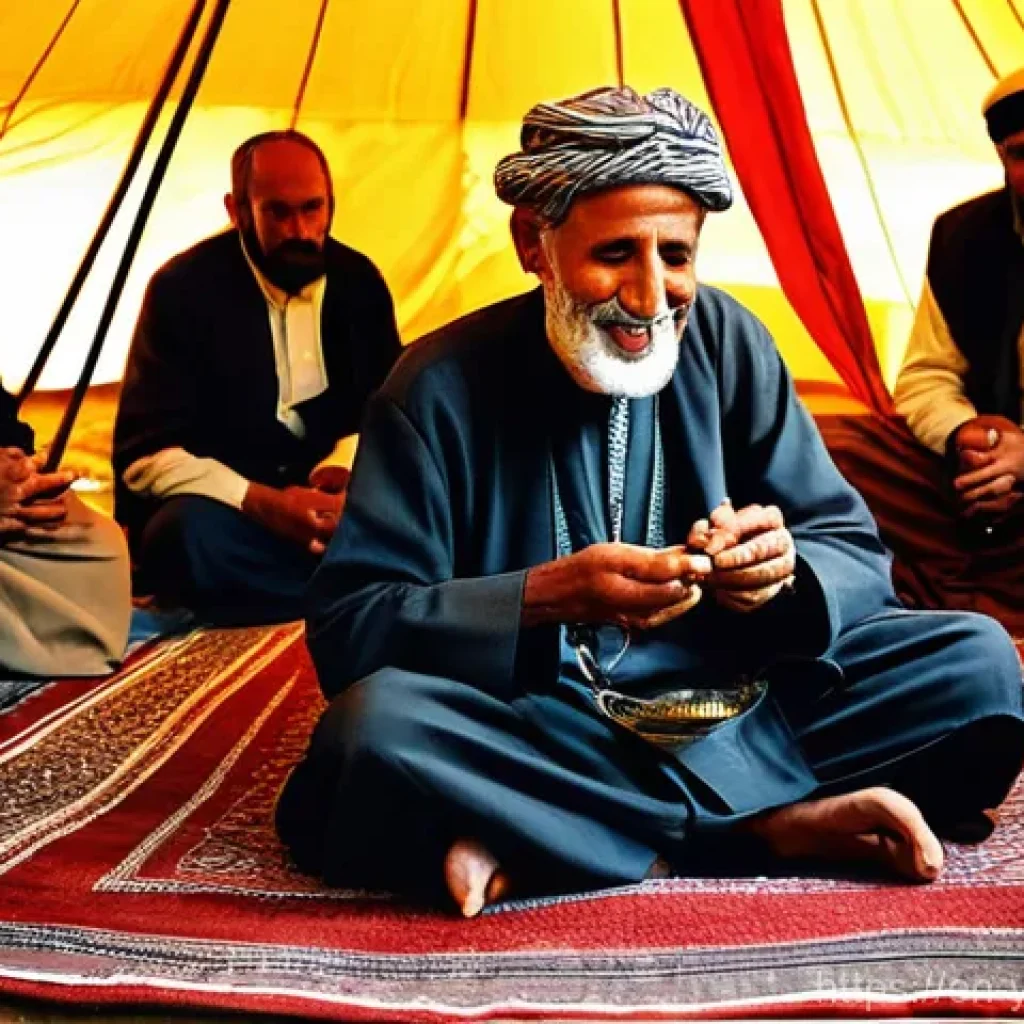
The oral tradition in Yemen is an absolute marvel, a living testament to the power of the spoken word. Think about it: long before books were common, entire histories, epic poems, and wisdom were carried in the minds and voices of storytellers and poets. These weren’t just casual recitations; they were often elaborate performances, engaging audiences with rhythmic chanting, ancient instruments like the ‘ud and darbuka, and a call-and-response dynamic that drew everyone into the narrative. I’ve heard that even today, in many Yemeni families, you’ll find a designated storyteller, not necessarily an academic, but someone who simply embodies this incredible tradition. It’s truly fascinating how these narratives often serve as a code of conduct and a shared history, fostering a profound sense of communal identity and pride. From wedding celebrations to dispute mediations between tribes, oral poetry functions as both entertainment and a vital form of social and political commentary, cementing its role as a cornerstone of Yemeni culture through the ages. It’s a reminder that some of the most profound literature doesn’t always come bound in paper; sometimes, it lives and breathes in the human voice.
Classical Forms and Timeless Themes
When we talk about classical Yemeni literature, especially poetry, we’re talking about forms that are incredibly sophisticated and rich with meaning. The mu’allaqat and qasida, for instance, are not just ancient poetic forms; they are intricate tapestries woven with themes that still resonate deeply today. You find tales of love, valor, social mores, and an exploration of identity that transcends time. What I personally find so compelling is how poets from different eras, like Al-Ma’arri, navigated complex cultural intersections, blending influences from Islamic, African, and even Western traditions into their works. They embedded themes of love, loss, and resistance that feel incredibly pertinent, showcasing a society that was always grappling with change and upheaval. This historical context fostered a unique environment for literary preservation, where poets often acted as chroniclers, capturing the very essence of their times. It’s a powerful testament to how art can not only reflect but also help shape a nation’s understanding of itself and its place in the world, even centuries later. These classic works aren’t just historical artifacts; they’re living, breathing expressions of human experience.
Voices of Resilience: Poetry as a Shield and a Song
Poetry in Yemen isn’t merely an art form; it’s a vital lifeline, a powerful expression of resilience that I’ve seen echo through generations. It acts as a shield against despair and a song of enduring hope, especially during the tumultuous periods the country has faced. You know, I’ve always believed that when words are all you have left, they become infinitely more potent, and that’s precisely what Yemeni poets demonstrate. The ability to articulate deep emotional truths, to process collective trauma, and to comment on societal struggles through verse is nothing short of miraculous. It’s truly inspiring to see how poets, both celebrated and emerging, harness traditional forms and infuse them with contemporary concerns, creating something truly unique and deeply resonant. The way poetry can unite people, even across the fault lines of conflict, is something I find profoundly moving. It’s not just about lamenting; it’s about finding strength in shared experiences and reminding everyone of their rich heritage and cultural contributions to the world. It’s a vivid illustration of how art can transcend immediate circumstances and speak to something much larger than itself, offering solace and strength when it’s needed most.
Modern Poets and Their Unflinching Gaze
When you delve into the works of contemporary Yemeni poets, you quickly discover a landscape shaped by both profound tradition and immediate, often difficult, realities. Figures like Abdulaziz Al-Maqaleh and Amna Al-Azri have emerged as key voices, their works often grappling with identity, conflict, and resilience with an unflinching gaze. What I find so striking is how they engage with both local and global audiences, showing that their experiences, while rooted in Yemen, are universally understood. I remember reading some of their translated pieces and feeling an intense connection, even though our lived experiences are vastly different. Newer talents, like Ameen Al-Haj and Saba Mahfouz, are also making significant waves, carrying forward this tradition of using poetry to explore the complexities of life in a society marked by constant flux. They’re not just writing for themselves; they’re giving voice to countless others, processing shared suffering, and expressing a powerful determination to endure and reflect on what is happening around them. It’s a powerful statement that poetry continues to thrive, even when the world around it feels like it’s falling apart.
Poetry in the Face of Adversity
It’s genuinely hard to imagine the courage it takes to create art, particularly poetry, when your country is embroiled in conflict. Yet, Yemeni poets continue to do just that, using their craft as a powerful form of expression and even a weapon against injustice. I’ve read about young poets like Aisha al-Jaedy, who eloquently writes on themes of women and peace, driven by the belief that it’s their job to convey a message to the world. It’s not just about reporting facts; it’s about conveying the raw emotion, the daily struggles, and the enduring hope of ordinary people. What strikes me is how this ancient art form is adapted to tackle contemporary issues, from political critique to social commentary. Poetry becomes a vehicle for expressing pain, hope, and defiance, transforming personal and collective trauma into something beautiful and unifying. The very act of composing and performing poetry in such circumstances feels like an act of profound resistance, a refusal to let the spirit be broken. It underscores the incredible human capacity to find beauty and meaning even in the darkest of times, turning words into a testament of an unbreakable spirit.
The Novel’s Ascent: Crafting New Narratives
While poetry has long held a revered place in Yemeni culture, there’s been a fascinating shift, especially in recent decades, towards the novel as a dominant literary form. It’s like watching a new, robust branch grow on that ancient literary tree, reaching out in exciting new directions. I find this evolution incredibly telling, reflecting a society’s need for different ways to process its complex realities. The novel, with its capacity for expansive narratives and nuanced character development, has become a powerful vehicle for confronting the social and psychological ruptures caused by war and rapid societal change. Where poetry might offer intense, distilled emotion, the novel gives authors the space to build entire worlds, delve into individual psyches, and weave intricate tapestries of lived experience. It’s a genre that allows for a deeper exploration of themes like identity, displacement, and the often-turbulent interplay between tradition and modernity. Seeing this transition firsthand, or even through translated works, really highlights how literature constantly adapts to meet the evolving needs of its people, providing a mirror and a compass in equal measure.
From Folklore to Modern Realism
The journey of the Yemeni novel from its earliest forms to the complex realist works we see today is quite remarkable. It began, in many ways, rooted in oral tales and folklore, but as the 20th century progressed, it started to absorb influences from modern Arabic and even Western literature. Early novelists, like Ahmed Abdullah Al-Saqqaf with his 1927 novel The Karut’s Girl, used their craft to reflect the struggles against colonialism and express the suffering and defiance of their people. It was a clear shift from didacticism to a more deeply politicized realism. Later, landmark works like Mohammed Abdul-Wali’s They Die Strangers (1971) really ignited a spark, delving into profound social issues and gaining widespread acclaim. What’s truly impressive is how Yemeni writers have consistently developed their narrative techniques, moving beyond simple allegories to create rich, multi-layered stories that resonate with the complexities of modern life. It’s a powerful demonstration of how a literary form can mature and adapt, offering ever more sophisticated insights into a nation’s soul and its ongoing journey.
Exploring Identity in a Changing World
One of the most compelling aspects of contemporary Yemeni novels, for me, is their deep dive into identity. In a society that has experienced so much upheaval, authors are keenly exploring what it means to be Yemeni in a world constantly in motion. This often involves examining the tensions between long-held traditions and the pressures of modernity, or the profound impact of conflict on individual and collective identities. You’ll find narratives that intertwine personal quests for self-understanding with broader societal issues, showcasing characters who are navigating chaos and searching for their place. Authors like Zayd Mutee’ Dammaj, whose novel The Hostage gained international attention, exemplify this exploration. I remember being struck by how these stories don’t shy away from the difficult questions, but rather embrace them, offering rich, often poignant, reflections on belonging and alienation. It’s a literary space where the personal becomes deeply political, and the individual’s struggles illuminate the larger narrative of a nation striving to define itself amidst ongoing transformations. It’s a fascinating lens through which to understand a culture.
Women Weaving Words: Challenging Norms, Building Futures
The role of women in Yemeni literature is an inspiring narrative of perseverance, creativity, and profound courage. For a long time, their contributions were often overlooked or confined to oral traditions, but over the past few decades, Yemeni women writers have truly stepped into the spotlight, reshaping the literary landscape in significant ways. It’s incredibly powerful to witness how they’ve carved out their paths in what was traditionally a male-dominated sphere, bringing forth narratives that challenge societal norms and amplify voices that might otherwise remain unheard. I’ve seen how their works delve into the complexities of being a woman in a society grappling with conflict and patriarchal structures, articulating both the struggles and the immense resilience inherent in their experiences. They’re not just writing stories; they’re actively advocating for social justice and offering unique feminist perspectives that are crucial for understanding the nuances of Yemeni society. Their emergence represents a vital, vibrant, and utterly essential part of the country’s literary tapestry, actively building a future where all voices are heard and valued.
Pioneering Female Voices
The journey of Yemeni women writers has been marked by significant challenges, but also by incredible breakthroughs. In the mid-20th century, we saw timid appearances, with many initially writing under pen names to avoid community backlash, which honestly breaks my heart a little to think about the pressure they faced. Yet, despite these barriers, pioneering figures like Ramziya Al-Iryani and Fatima Al-Ashabi bravely began to voice themselves openly, expanding beyond poetry into novels and short stories that addressed pressing social and economic issues. It wasn’t just about writing; it was about reclaiming space and asserting their right to participate in public life. I find it so empowering that these early efforts laid the groundwork for the literary renaissance that followed, especially in the 1970s and 1980s. These women, through their sheer determination and talent, presented unique perspectives on cultural identity and social commentary, proving that their experiences were not only valid but deeply essential to the national conversation. Their courage truly paved the way for future generations.
Contemporary Women Writers and Their Impact
Today, contemporary Yemeni women writers are a force to be reckoned with, their impact reaching far beyond national borders. Authors like Nadia Al-Kawkabani, whose novels address themes like love and married women, and Bushra Al-Maqtari, who received a PEN translation award for her powerful novel Behind the Sun illuminating forced disappearances, are garnering international acclaim. What truly captivates me is how these writers fearlessly confront societal issues, challenge traditional norms, and advocate for social justice through their storytelling. Their narratives offer a profound understanding of cultural and social issues, reflecting on the complexities of their experiences in a society rife with conflict. I’ve noticed a recurring thread of resilience and a deep commitment to bearing witness to the lives of ordinary people. Literary festivals, both within Yemen and among the diaspora, have become crucial platforms for these authors, allowing them to showcase their talents and discuss pressing issues. It’s not just about individual success; it’s about a collective movement that’s enriching Yemeni literature and providing invaluable insights into their society. They’re not just writing; they’re shaping discourse and inspiring change.
Literature in Tumultuous Times: A Mirror to Society
It’s impossible to discuss Yemeni literature, especially in recent years, without acknowledging the profound impact of the ongoing conflict. What I’ve observed is that literature, far from being silenced, has transformed into an even more crucial mirror reflecting society’s struggles, hopes, and profound resilience. It’s like the intensity of the flames has forged a stronger, sharper blade of expression. Writers, poets, and novelists alike have turned their pens into powerful instruments, not just for writing, but for confronting injustice, violence, and the widespread suffering of the Yemeni people. They’re providing a platform for expressing the violations committed against civilians and offering insights into the magnitude of the challenges facing the country. This crisis, while imposing immense restrictions, has paradoxically helped create incredibly strong literary works that articulate pain, hope, and defiance. It’s a testament to the human spirit’s need to make sense of chaos, to bear witness, and to imagine a path forward, even when the immediate reality is overwhelmingly grim. This is where literature truly shines, illuminating the darkest corners of human experience.
Conflict as a Catalyst for Creativity
While the ongoing conflict in Yemen has undeniably led to immense suffering and a decline in traditional publishing infrastructure, it has also, in a strange twist of fate, acted as a catalyst for a unique wave of literary creativity. It’s a painful truth that suffering can sometimes forge the most powerful art. Writers are finding their voices, often feeling a profound sense of responsibility to reflect on what is happening around them within their works. I’ve seen this personally in how narratives have become more daring and experimental, with authors exploring themes of war, displacement, memory, and the intricate dynamics of tribal and political ties. For instance, the shift from poetry’s dominance to the novel has been attributed to its capacity to capture fragmentation and complex social ruptures more effectively. This environment, difficult as it is, pushes creators to develop new literary styles and topics, contributing to a literature that is deeply engaged with its sociopolitical context. It proves that even when conditions are dire, the human urge to create and express remains indomitable, turning adversity into a source of artistic output.
The Struggle for Expression and Connection
Despite this surge in creativity, Yemeni writers face immense obstacles in getting their work to readers. The collapse of cultural infrastructure, the closure of publishing houses, and the cancellation of literary events due to economic hardship and security concerns have created a truly challenging environment. I’ve heard heartbreaking stories of writers losing jobs, being preoccupied with basic survival, and even selling their personal libraries. Moreover, the risks of addressing current events too directly are very real, with writers facing harassment, arrest, and even exile, as was the case for Wajdi al-Ahdal. This creates a pervasive atmosphere of self-censorship, where authors must navigate a perilous path to ensure their safety. Yet, even amidst these struggles, digital platforms are emerging as a vital lifeline, offering opportunities for self-publishing and connecting with new audiences, both locally and internationally. It’s a testament to the unwavering determination of Yemeni writers to ensure their voices are heard and to foster connections, proving that the desire for expression is stronger than any barrier.
The Global Stage: Yemeni Voices Reaching Across Borders
It’s incredibly exciting to see Yemeni literature increasingly making its mark on the global stage, proving that profound stories, no matter their origin, resonate universally. For so long, access to these rich narratives was limited, primarily due to the challenges of translation and the ongoing issues within Yemen itself. But now, thanks to dedicated translators and a growing international interest in diverse voices, Yemeni writers are finding new audiences around the world. I firmly believe that this cultural exchange is vital – it enriches our understanding of global human experience and breaks down preconceived notions. When you read a Yemeni novel or a collection of poetry, you’re not just reading a story; you’re gaining a window into a culture’s heart, its resilience, and its unique perspective on universal human themes. This growing presence is a testament to the power of their storytelling and an encouraging sign that the world is finally ready to listen to these powerful, often overlooked, voices. It’s a beautiful thing when literature bridges continents and connects souls.
Bridging Cultures Through Translation
Translation plays an absolutely crucial role in allowing Yemeni literary treasures to reach a global audience, and it’s a field that I believe deserves so much more recognition. I’ve often found myself searching for translated works, hungry to delve deeper into the narratives emerging from Yemen. While the availability of English translations has historically been limited, there’s a growing movement to bridge this gap. Works by authors like Mohammed Abdul-Wali and Zayd Mutee’ Dammaj have been translated into multiple languages, including English, French, and German, bringing their powerful stories to readers far beyond the Arab world. Bushra Al-Maqtari’s novel, Behind the Sun, winning an English PEN translation award is a prime example of this increasing recognition. These translations aren’t just literal conversions of words; they are bridges between cultures, allowing readers to explore complex themes like identity, resistance, and the human condition from a unique Yemeni perspective. It’s a painstaking but deeply rewarding process that connects us all, proving that great literature knows no borders and truly enriches our global knowledge base.
The Future of Yemeni Literary Export
Looking ahead, I feel a hopeful sense of anticipation for the future of Yemeni literary export. Despite the immense challenges still faced by writers within the country, there’s a tangible desire, both from the authors themselves and from international literary communities, to see these voices amplified. Digital platforms are playing an increasingly vital role, providing alternative avenues for publication and dissemination when traditional channels are disrupted. I envision a future where more Yemeni authors, like Wajdi al-Ahdal, whose work has been translated and awarded, continue to receive the international recognition they so richly deserve. The themes they explore – resilience, identity, conflict, and hope – are universally resonant, and their unique perspectives offer invaluable contributions to global literature. There’s a growing appetite for stories that challenge and enlighten, and Yemeni literature is perfectly poised to meet that demand. Supporting these writers, promoting their translated works, and encouraging initiatives that foster literary exchange are crucial steps in ensuring that Yemen’s rich and powerful literary heritage continues to inspire and impact readers worldwide for generations to come.
| Literary Period/Movement | Key Characteristics/Themes | Notable Figures (Examples) |
|---|---|---|
| Ancient Oral Traditions | Epic poetry, folklore, preservation of history, moral guidance, communal identity, pre-Islamic poetic forms (mu’allaqat, qasida). | Wahb ibn Munabbih (historian, early Islamic scholar), anonymous storytellers. |
| Early Modern (20th Century) | Didacticism, anti-colonialism, social and political critique, shift from oral to written prose, emergence of realism. | Ahmed Abdullah Al-Saqqaf, Muhammad Mahmoud Al-Zubayri, Ali Muhammad Abduh. |
| Post-1970s Literary Revival | Increased novel production, deeper exploration of social issues, identity, political crises, emergence of women writers. | Mohammed Abdul-Wali, Zayd Mutee’ Dammaj, Ramziya Al-Iryani, Abdulaziz Al-Maqaleh. |
| Contemporary (21st Century) | Response to ongoing conflict, resilience, fragmented narratives, women’s rights, global themes, use of digital platforms. | Wajdi al-Ahdal, Nadia Al-Kawkabani, Bushra Al-Maqtari, Huda Al-Attas, Nujood Ali. |
글을 마치며
As we wrap up this journey through the incredible landscape of Yemeni storytelling, it’s clear that this isn’t just about ancient texts or modern novels; it’s about the enduring human spirit. Yemeni literature, with its deep roots and vibrant contemporary voices, stands as a powerful testament to resilience, creativity, and the unbreakable will to tell one’s story. It’s truly inspiring to see how these narratives, whether whispered through generations or penned in defiance, continue to illuminate the world, offering invaluable insights and connecting us all through shared humanity.
알아두면 쓸모 있는 정보
1. Explore the Rich Oral Traditions: Even today, Yemen’s oral traditions are incredibly vibrant. Seeking out recordings or translated versions of traditional Yemeni poetry and folk tales can offer a truly unique window into the culture. These stories are often filled with wisdom, historical context, and a powerful sense of community, making them much more than mere entertainment. I’ve found that listening to these pieces, even when translated, carries a different weight than just reading them, almost as if you can feel the echoes of generations past.
2. Look for Translated Contemporary Works: While finding translations might require a bit of digging, it’s incredibly rewarding. Authors like Bushra Al-Maqtari, Nadia Al-Kawkabani, and Wajdi al-Ahdal are gaining international recognition, and their works offer profound insights into modern Yemeni life, identity, and the impacts of conflict. Platforms like English PEN and dedicated literary translation presses are great places to start your search, and I can personally vouch for the depth and power of these contemporary narratives.
3. Understand the Role of Poetry in Society: In Yemen, poetry isn’t just a literary form; it’s a vital part of social and political discourse, a means of preserving history, and a tool for expression during times of peace and conflict. Knowing this adds a whole new layer of appreciation when you encounter Yemeni verse. It truly functions as a mirror and a voice for the collective consciousness, giving expression to sentiments that might otherwise remain unspoken.
4. Support Literary Initiatives: Due to ongoing challenges, Yemeni writers often struggle to publish and disseminate their work. Keep an eye out for organizations and initiatives that support Yemeni authors and promote the translation of their works. Your interest and engagement can make a tangible difference in helping these crucial voices reach a broader global audience. Every reader who discovers a Yemeni author contributes to keeping this rich literary tradition alive and thriving.
5. Recognize the Strength of Women Writers: The emergence and growing prominence of women in Yemeni literature is a significant and inspiring development. Their perspectives are crucial for a holistic understanding of the society, often challenging norms and advocating for social justice. Delving into their works will reveal powerful narratives of resilience, struggle, and hope, providing invaluable insights into the unique experiences of women in a complex cultural landscape. I’ve always been so moved by their courage and honesty.
중요 사항 정리
Yemeni storytelling is a treasure trove rooted in ancient oral traditions, where epic poetry and folklore served as the very foundation of communal identity and historical preservation. This deep-seated legacy has profoundly shaped the literature we see today. We’ve witnessed a fascinating evolution from these classical forms to the nuanced realism of modern novels, especially from the 20th century onwards, as writers began grappling with anti-colonial sentiments and complex societal changes. The role of poetry, however, has remained incredibly vital, acting as a powerful voice of resilience and a mirror to society’s struggles and aspirations, particularly during tumultuous times. It’s truly remarkable how this art form adapts and endures, offering solace and challenging injustice.
Furthermore, the rise of women writers has been a truly transformative force, bringing forth essential narratives that challenge patriarchal norms and offer unique feminist perspectives on identity and social justice. Their courage in a traditionally male-dominated sphere is a testament to the power of their voices. Despite immense challenges such as conflict and a strained cultural infrastructure, Yemeni literature continues to thrive, with authors finding innovative ways to express themselves, often through digital platforms. This enduring creativity and determination are helping Yemeni voices gain increasing recognition on the global stage, proving that these rich, profound stories are resonating across borders and enriching our collective human understanding. It’s a continuous journey of self-expression and cultural connection that truly inspires me.
Frequently Asked Questions (FAQ) 📖
Q: What makes Yemeni literature such a compelling and unique treasure trove for readers like us?
A: Oh, where do I even begin? When I first started diving into Yemeni literature, I honestly wasn’t sure what to expect. But what absolutely blew me away was its incredible depth and resilience.
Unlike many literary traditions that might feel a bit more mainstream, Yemeni writing, both ancient and modern, often carries this profound sense of survival and an unyielding spirit.
You see a beautiful blend of rich oral traditions – passed down through generations – woven into both poetry and prose. It’s not just about storytelling; it’s about preserving a culture, a history, and an identity that has faced so much.
I’ve found that the themes are incredibly powerful, often touching on deep philosophical questions, the beauty of everyday life even amidst hardship, and the enduring human spirit.
It’s like these authors are whispering secrets of wisdom and resilience directly into your ear, and let me tell you, it’s a truly transformative experience.
The way they use language, the metaphors, the sheer artistry – it’s something truly special and deeply impactful.
Q: Okay, you’ve totally hooked me! For someone just starting their journey into Yemeni literature, who are some must-read authors or poets you’d personally recommend?
A: That’s the spirit! I’m so excited for you to discover this world. From my own exploration, if you’re looking for a great starting point, I’d definitely suggest seeking out works by Abdulaziz Al-Maqaleh.
He’s a giant in modern Yemeni poetry and criticism, and his words have this incredible way of capturing the soul of Yemen. You’ll find his poetry often speaks to universal human experiences, yet with a distinctly Yemeni flavor.
For something a bit more contemporary and perhaps easier to find in translation, keep an eye out for authors like Ali Al-Muqri. His novels can be intense and thought-provoking, delving into complex social and political landscapes with a raw honesty that really stays with you.
I also stumbled upon some amazing short stories by Wajdi Al-Ahdal, and his narratives are just brilliant, offering sharp insights into contemporary Yemeni life.
My advice? Don’t be afraid to just pick up anything you can find by these names – you’re in for a real treat, and you’ll quickly discover what resonates most with you!
Q: This sounds absolutely fascinating, but I’m wondering, how accessible is Yemeni literature for English speakers?
A: re there many translations available, and where should I look? A3: That’s a super valid question, and one I often get! It’s true, finding comprehensive collections of Yemeni literature in English can sometimes feel like a bit of a treasure hunt, but trust me, the gems you unearth are absolutely worth the effort.
While it might not be as widely translated as some other regional literatures, there are definitely incredible works available if you know where to look.
I’ve personally had great success checking out specialized academic presses and university publishing houses – they often have dedicated series for Middle Eastern literature in translation.
Don’t forget to explore online literary journals and magazines too; many feature translated short stories or poetry excerpts from Yemeni authors, which is a fantastic way to get introduced.
Sometimes, even larger online bookstores will carry translated works, so a simple search for “Yemeni literature in English translation” can yield some wonderful results.
It might take a little digging, but that’s part of the adventure, right? And when you finally hold one of these books in your hands, knowing the journey it’s taken to reach you, it makes the reading experience even more profound.