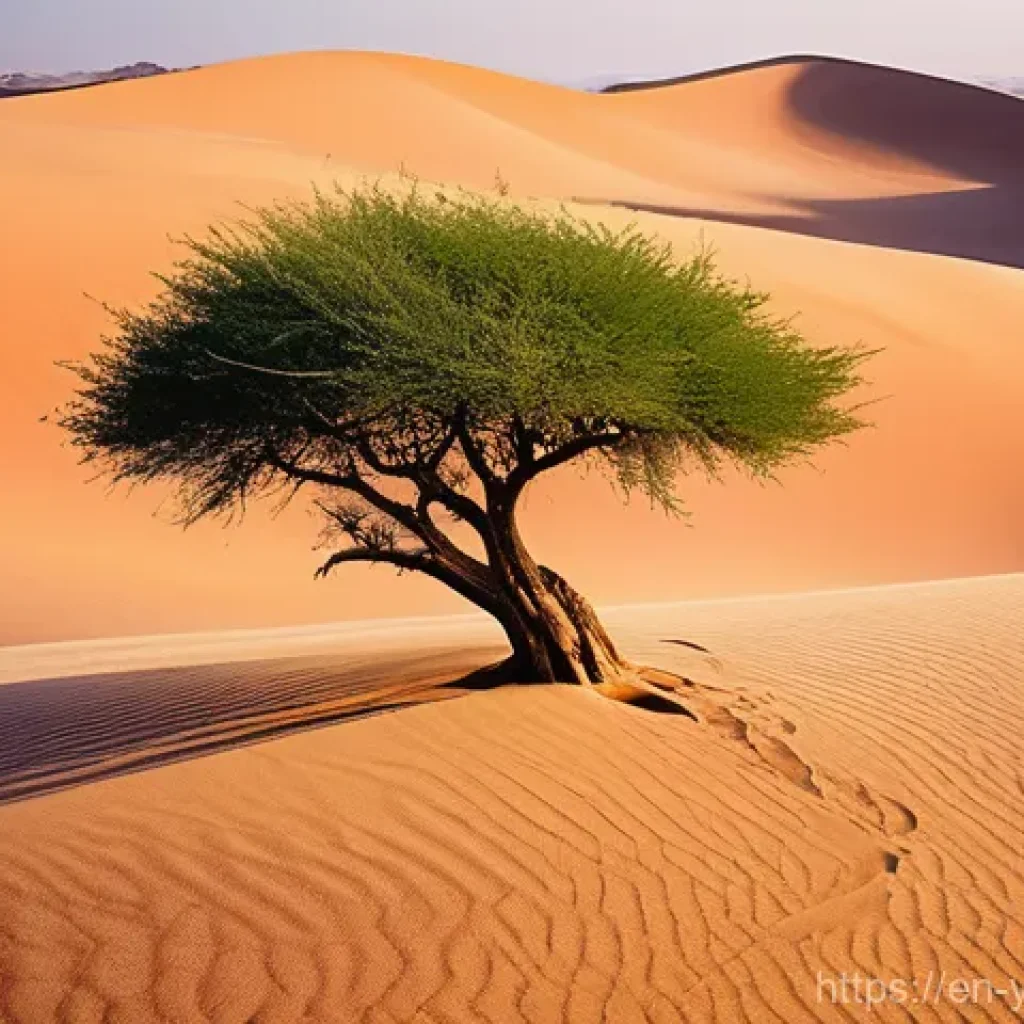
Oh, the sheer mystique of Yemen! When I think about its vast, untamed landscapes, my mind immediately conjures images of endless golden dunes and resilient life thriving against all odds.
It’s truly incredible how nature finds a way, even in some of the world’s most arid environments. I’ve always been fascinated by ecosystems that demand such incredible adaptation, and Yemen’s deserts are a prime example.
Imagine the quiet resilience of a creature perfectly evolved for scorching days and surprisingly chilly nights, dodging sandstorms and seeking out sparse water sources.
It’s not just about survival; it’s about a vibrant, hidden world bustling with unique species that often go unnoticed by the casual observer. From the elusive Arabian leopard to various gazelle species and a myriad of reptiles, these creatures paint a picture of incredible biodiversity.
What challenges do they face with climate change and human encroachment? How are conservationists working to protect these fragile habitats? If you’re as curious as I am about the secrets these ancient sands hold, you’re in for a treat.
Let’s delve into the fascinating world of Yemen’s desert ecosystem and its amazing animal inhabitants to find out exactly what makes them so special.
The Desert’s Unseen Symphony: Life Thriving in Yemen’s Arid Heart
There’s something truly awe-inspiring about the sheer tenacity of life, especially when you witness it in environments that seem utterly hostile. When I dive into learning about Yemen’s deserts, my mind isn’t just filled with images of endless sand; it’s a tapestry of vibrant, resilient life forms. It truly strikes me how diverse and unique the ecosystems are in regions often dismissed as barren. I’ve always been drawn to stories of survival against overwhelming odds, and the creatures inhabiting these ancient sands tell some of the most compelling tales. From the scorching sun during the day to the surprisingly cold nights, every single plant and animal here has developed a complex, intricate strategy to not just exist, but to flourish. It makes you pause and appreciate the incredible ingenuity of nature itself, doesn’t it? We often romanticize lush forests or vibrant coral reefs, but there’s an equally profound, albeit more subtle, beauty in the way life persists and adapts in places like the vast, silent deserts of Yemen.
Ancient Landscapes, Enduring Life
The landscapes of Yemen’s deserts are like living museums, sculpted by millennia of wind and sand, yet they pulse with a hidden vitality. When I look at satellite images or historical accounts, I’m always amazed by how these terrains, seemingly unchanging, are actually dynamic ecosystems. The sheer scale of adaptation required for anything to call these places home is mind-boggling. We’re talking about environments where water is a precious, fleeting commodity and temperatures swing wildly. Yet, generations of species have not only survived but evolved into highly specialized forms, each playing a crucial role in maintaining a delicate ecological balance. It’s a stark reminder that ‘barren’ is often just a perspective, and beneath the surface, or even just around the next dune, an entire world of intricate interactions is unfolding, largely unseen by human eyes. The ancient wadis, carved by water long since gone, still serve as pathways and temporary havens for flora and fauna.
The Rhythms of Survival
Life in Yemen’s deserts moves to a different rhythm, one dictated by the sun, the elusive rains, and the ever-present need to conserve energy and moisture. What I’ve learned about these ecosystems is that the peak activity often happens during dawn, dusk, or even deep into the night when temperatures are more forgiving. It’s a fascinating dance of evasion and resourcefulness. Many animals are nocturnal, emerging to hunt or forage under the cool blanket of stars, a strategy that drastically reduces water loss through evaporation. Others have developed incredible physiological adaptations, like specialized kidneys to concentrate urine, or unique ways to extract every last drop of moisture from their diet. It’s not just about finding water; it’s about minimizing its loss at every turn. When the rare rains do arrive, the desert explodes into a temporary riot of life, a vivid, fleeting spectacle that underscores the deep connection between water and existence here. This cyclical pattern of dormancy and sudden bursts of activity truly makes you marvel at their resilience.
Masters of Stealth and Strategy: Yemen’s Remarkable Wildlife
Stepping into the world of Yemen’s desert fauna is like entering a secret society where every member is a master of disguise and survival. I’ve always been captivated by how animals adapt, but the creatures here take it to an entirely new level. They aren’t just surviving; they’re thriving in ways that challenge our conventional understanding of what’s possible in such harsh climates. Think about the incredible patience of a predator waiting for the perfect moment, or the subtle coloration that allows a gazelle to vanish into the shimmering heat haze. It’s a constant, high-stakes game of hide-and-seek and resource management. When I imagine these animals, I picture their silent movements, their keen senses, and their unwavering determination. It really makes you realize that the desert isn’t empty; it’s simply incredibly good at keeping its inhabitants under wraps, revealing them only to those patient enough to look closely.
The Shadowy Hunter: The Arabian Leopard
Among the most elusive and truly magnificent creatures of Yemen’s wild spaces is the Arabian leopard, a symbol of stealth and power. When I first heard about them, I was struck by their incredibly adapted physiology – a smaller build than their African cousins, perfectly suited to the rocky, mountainous deserts and wadis they call home. These solitary hunters are primarily nocturnal, using the cover of darkness to stalk their prey, which includes ibex, gazelles, and smaller mammals. Their tawny, rosetted coats provide impeccable camouflage against the ochre rocks and sandy patches. The challenge for these leopards isn’t just finding food and water; it’s avoiding conflict with humans and navigating an increasingly fragmented habitat. It’s clear to me that protecting these majestic big cats is paramount, not just for their intrinsic value but as an indicator of the overall health of these fragile ecosystems. Imagine the sheer thrill of catching even a fleeting glimpse of such a rare and powerful animal.
Graceful Nomads: Gazelles and Oryx
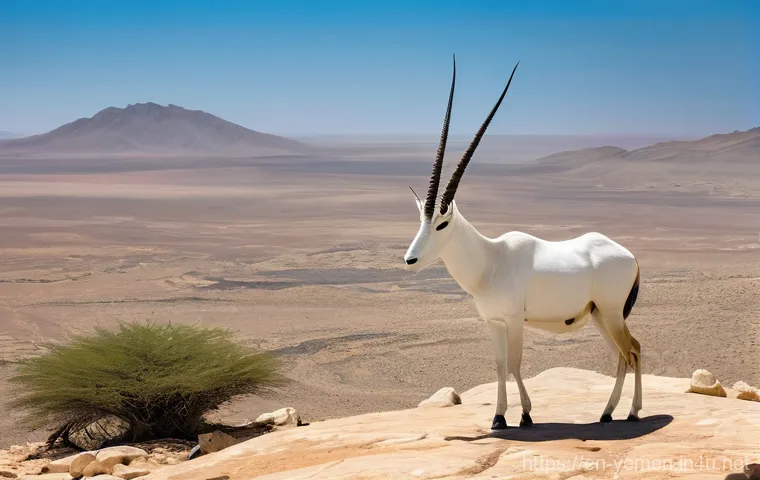
When you think of desert animals, images of agile gazelles and the striking Arabian oryx often come to mind, and for good reason. These hoofed mammals are truly the graceful nomads of Yemen’s arid plains. The Arabian gazelle, with its slender build and incredible speed, is a testament to natural selection in action. They roam vast territories, constantly searching for sparse vegetation and water sources, their sharp senses always on alert for predators. The Arabian oryx, with its magnificent, straight horns and distinctive white coat, is another marvel. Its light coloration helps reflect the intense desert heat, and it can go for extended periods without drinking free water, instead deriving moisture from the plants it eats and even from dew. I find their resilience utterly inspiring. They are true survivors, elegantly navigating environments that would defeat most other large mammals, perfectly embodying the spirit of the Arabian deserts.
Small Wonders: Reptiles and Rodents
While the larger, more charismatic animals often steal the spotlight, I think it’s the smaller inhabitants – the reptiles, insects, and rodents – that truly form the intricate backbone of Yemen’s desert ecosystem. These often-overlooked creatures are the unsung heroes of adaptation. Lizards like the spiny-tailed agama, for instance, are incredibly tough, burrowing into the sand to escape extreme temperatures and feeding on sparse vegetation. Snakes, such as various viper species, are masters of ambush, perfectly camouflaged against the desert floor. Then there are the gerbils and jirds, small rodents that are primarily nocturnal, burrowing networks of tunnels to stay cool and safe, and foraging for seeds. Their metabolism is finely tuned to conserve water, making them remarkably self-sufficient. It’s a micro-world bustling with activity, often hidden from plain sight, but absolutely essential to the food web and nutrient cycling. Without these smaller residents, the entire ecosystem would simply collapse, showcasing how every single creature, no matter how tiny, plays a vital part.
Water’s Embrace: Ingenious Strategies for Desert Survival
Water, that most precious of commodities, dictates everything in a desert environment. When I consider the sheer lack of it in Yemen’s arid regions, I’m constantly amazed by the ingenious, almost magical ways both plants and animals have evolved to find, conserve, and utilize every single drop. It’s not just about drinking when available; it’s a whole lifestyle built around moisture management. From specialized physiological systems to clever behavioral tactics, life here has truly mastered the art of water wisdom. It’s a powerful lesson in resourcefulness and adaptation that transcends species, showcasing how deep the evolutionary drive for survival truly runs. I often think about the painstaking effort involved in these daily struggles, and it really puts into perspective how vital water is for all life on Earth.
Ingenious Water-Seeking Strategies
The methods Yemen’s desert dwellers employ to procure water are nothing short of brilliant. Many animals, for example, have developed the ability to extract all the necessary moisture from their diet of plants or prey, effectively eliminating the need for free-standing water for extended periods. Some desert plants, known as xerophytes, have incredibly deep root systems that tap into subterranean water sources, while others have shallow, widespread roots to quickly absorb any surface moisture from rare rainfalls or heavy dews. I’ve read about certain beetles that climb dunes at dawn, holding their bodies at an angle to condense morning fog into droplets that they then drink. This level of specialized adaptation is truly astonishing, highlighting a profound understanding of their environment, learned over countless generations. It’s a constant, relentless pursuit, and every strategy is a testament to nature’s profound problem-solving abilities.
The Oasis as a Lifeline
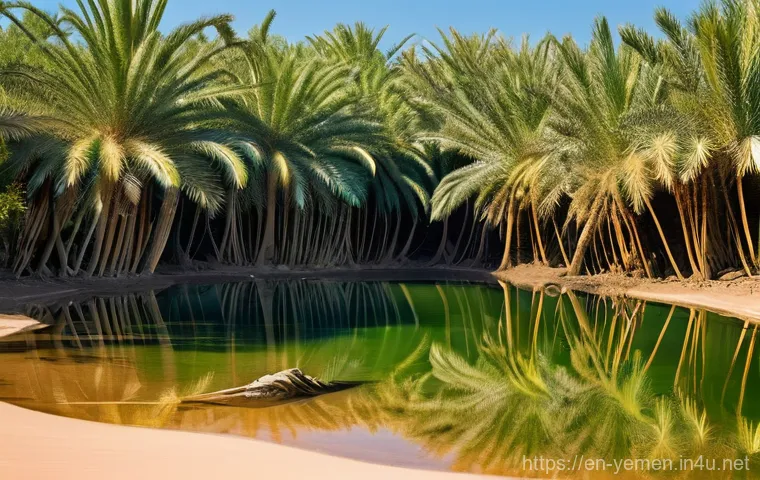
If the desert is a vast, challenging arena, then the oasis is undeniably its beating heart, a vital lifeline for countless species, including humans. When I think of an oasis in Yemen, I don’t just picture palm trees and a pool of water; I see a vibrant micro-ecosystem, a magnet for life in an otherwise desolate landscape. These rare havens provide not only drinking water but also crucial shade, richer soil for diverse plant growth, and a safe breeding ground for many animals. Birds migrate to them, insects flourish, and larger mammals brave long journeys across the sand to reach their life-giving waters. For centuries, they’ve also been crucial stopping points for travelers and traders, shaping human history and cultural exchange in the region. The very existence of an oasis underscores the interconnectedness of water and life, creating pockets of extraordinary biodiversity against the stark backdrop of the desert. It’s a powerful reminder of how precious these isolated bursts of fertility truly are.
Echoes in the Sand: Humanity’s Deep Connection to the Desert
The relationship between humans and the desert in Yemen is as ancient and layered as the dunes themselves. It’s not just a place people pass through; it’s a landscape that has shaped cultures, traditions, and ways of life for millennia. When I consider this intricate dance, I realize it’s a story of both challenge and profound respect. The desert has demanded resilience, resourcefulness, and a deep understanding of its rhythms from those who call it home. It’s a connection forged through generations of living in harmony with a powerful, often unforgiving, environment. This historical interplay shows us that humans aren’t separate from nature, but an integral part of its complex fabric, adapting and evolving alongside the wildlife. It truly fascinates me how these interactions have created unique societal structures and philosophies.
Bedouin Traditions and Coexistence
For centuries, the Bedouin people have been the quintessential inhabitants of the Arabian deserts, and their relationship with the land and its creatures is a profound example of sustainable coexistence. When I reflect on their traditional ways, I’m struck by their deep ecological knowledge and respect for the natural world. They understand the desert’s subtle cues, the patterns of animal movement, and the locations of vital resources. Their nomadic lifestyle, moving with their herds of camels, goats, and sheep, is inherently adapted to the sparse resources, ensuring they don’t overgraze any single area. This nomadic wisdom has allowed them to live alongside desert wildlife without depleting it, often sharing scarce water sources and understanding the territories of various species. It’s a living testament to how human communities can integrate themselves into fragile ecosystems, provided they approach it with humility and a vast wealth of generational knowledge. It offers valuable lessons for modern conservation efforts, I believe.
The Fragile Balance
However, the balance between humanity and the desert ecosystem is incredibly delicate, and as the world changes, this balance is constantly tested. What I’ve seen in various desert regions globally is that increasing populations, changing agricultural practices, and resource extraction can put immense pressure on these already stressed environments. The traditional wisdom of coexistence is sometimes challenged by modern demands. When wells are drilled deeper or more permanently, it can alter ancient water tables. When roads are built or settlements expand, they fragment vital habitats for wildlife. It’s a difficult tightrope walk, and the consequences of upsetting this fragile equilibrium can be severe, leading to desertification and a loss of biodiversity. I often think about the careful decisions that need to be made to ensure that development doesn’t come at the cost of these irreplaceable natural treasures and the ancient cultures that understand them so intimately.
| Animal | Key Adaptation | Conservation Status (Illustrative) |
|---|---|---|
| Arabian Leopard | Nocturnal hunting, specialized build for rocky terrain, exceptional camouflage | Critically Endangered |
| Arabian Oryx | White coat for heat reflection, can go long periods without water, derived from diet/dew | Vulnerable (previously Extinct in Wild) |
| Arabian Gazelle | High speed, excellent senses, efficient water use | Vulnerable |
| Spiny-tailed Agama | Burrows to escape heat, herbivorous, robust physiology | Least Concern |
Whispers of Warning: The Mounting Threats to Yemen’s Deserts
It breaks my heart to think about the incredible pressures facing Yemen’s delicate desert ecosystems today. While these environments and their inhabitants have always faced challenges, the scale and speed of current threats are unprecedented. It’s not just about natural cycles anymore; human-induced changes are accelerating at an alarming rate, pushing many species and habitats to the brink. When I consider the sheer resilience I’ve seen in these desert creatures, it makes me even more determined to understand and highlight what they’re up against. These aren’t just distant problems; they are part of a global ecological crisis that demands our immediate attention and thoughtful action. The silent whispers of warning from the shifting sands are growing louder, and we simply cannot afford to ignore them any longer.
Climate Change and Desertification
Perhaps the most insidious threat looming over Yemen’s deserts, as with so many arid regions worldwide, is the escalating impact of climate change. What I’ve observed in climate reports is a trend towards more extreme weather patterns – prolonged droughts punctuated by intense, infrequent rainfall events that can cause destructive flash floods rather than beneficial replenishment. This shifting climate directly exacerbates desertification, where fertile land turns into desert, further shrinking viable habitats for both plants and animals. Rising temperatures also place immense physiological stress on species already living at the edge of their thermal tolerance. It’s a vicious cycle: less vegetation leads to more soil erosion, less water retention, and ultimately, a less hospitable environment. I often wonder about the long-term implications for animals that depend on specific microclimates or seasonal plant growth; how much more can they possibly adapt before their limits are reached?
Human Footprint and Habitat Loss
Beyond the overarching threat of climate change, the expanding human footprint represents a direct and immediate danger to Yemen’s desert biodiversity. When I look at reports of development in the region, I see inevitable habitat fragmentation caused by road construction, urban expansion, and agricultural encroachment. This not only directly destroys crucial habitats but also isolates animal populations, making them more vulnerable to genetic bottlenecks and local extinctions. Overhunting, whether for subsistence or illegal trade, also places immense pressure on already fragile populations of gazelles, ibex, and even the critically endangered Arabian leopard. Then there’s the issue of unregulated resource extraction, from groundwater depletion to unsustainable mineral mining, all of which leave indelible scars on the landscape. It’s a complex web of human activities, each contributing to a cumulative impact that threatens the very fabric of these unique ecosystems. It genuinely saddens me to see these precious lands eroding under human pressures.
Guardians of the Sands: Hope Through Conservation Efforts
Despite the daunting challenges, there are truly dedicated individuals and organizations working tirelessly to protect Yemen’s extraordinary desert ecosystems and their remarkable inhabitants. When I hear about these conservation efforts, it fills me with a renewed sense of hope. It’s a testament to the fact that even in the face of immense adversity, human determination and ingenuity can make a real difference. These aren’t easy battles, often fought in remote and challenging terrains, but every small victory counts. It really underscores the importance of local engagement and global support in safeguarding these irreplaceable natural wonders for future generations. I believe that by spotlighting these efforts, we can inspire more people to get involved and support the vital work being done.
Protecting Endangered Species
A significant focus of conservation in Yemen’s deserts is, understandably, on its most vulnerable species. Organizations are working to implement protection programs for critically endangered animals like the Arabian leopard, often involving anti-poaching initiatives and community outreach to reduce human-wildlife conflict. Efforts to safeguard the Arabian oryx, which was once extinct in the wild, have seen remarkable success in other parts of the Arabian Peninsula, offering a blueprint for similar initiatives if stability allows. What I find incredibly powerful about these species-specific programs is their ripple effect: by protecting a flagship species, you inevitably protect the entire habitat and a myriad of other creatures that share its range. It’s a holistic approach, recognizing that the health of one species is deeply intertwined with the health of the entire ecosystem. Every breeding program, every protected area, brings these incredible animals a step further away from the brink.
Community-Led Initiatives
What truly impresses me is the growing recognition that effective conservation must be community-led and locally driven. When I read about successful projects, it’s often those that involve and empower the people who live closest to the land. This includes educating local communities about the importance of biodiversity, providing sustainable alternative livelihoods that don’t harm the environment, and engaging them directly in monitoring and protection efforts. Indigenous knowledge, passed down through generations, is an invaluable asset in these arid environments, offering insights that modern science sometimes overlooks. By fostering a sense of ownership and shared responsibility, these initiatives create a powerful network of guardians for the desert. It makes perfect sense to me that the people who understand these lands best should be at the forefront of protecting them; their connection is deeply rooted, and their commitment can be truly transformative.
Concluding Thoughts
As we wrap up our journey through the stunning, yet often misunderstood, deserts of Yemen, I find myself filled with an even deeper appreciation for the sheer resilience of life. It’s truly amazing, isn’t it, how nature finds a way to not just survive, but to flourish with such incredible ingenuity even in the harshest conditions? Every plant, every creature we’ve explored today is a testament to the power of adaptation and the delicate balance that exists within these ancient landscapes. My hope is that by sharing these stories, we can all foster a greater sense of wonder and responsibility towards protecting these irreplaceable natural treasures, realizing that their fate is, in many ways, intertwined with our own. What a truly humbling and inspiring world we inhabit!
Useful Information to Know
1. When exploring any arid or fragile ecosystem, always practice Leave No Trace principles. This means packing out everything you pack in, staying on designated trails, and respecting wildlife from a distance to minimize your impact on their delicate habitats. Even a small disturbance can have lasting effects in these sensitive environments.
2. Water conservation isn’t just a desert issue; it’s a global imperative. Understanding how desert life conserves every drop can inspire us to be more mindful of our own water usage, whether it’s shortening showers or fixing leaks. Every little bit truly helps sustain our shared planetary resources.
3. Indigenous and local communities often hold invaluable knowledge about sustainable living in harsh environments. Supporting their traditional practices and involving them in conservation efforts is crucial, as their generational wisdom offers profound insights into coexistence with nature that modern science can greatly benefit from.
4. Consider supporting reputable conservation organizations that focus on arid land preservation and endangered species. Many groups work tirelessly on the ground, often in challenging circumstances, to protect unique desert biodiversity through research, anti-poaching, and community engagement initiatives. Your contribution, no matter how small, can make a significant difference.
5. Reframe your perspective on what “barren” truly means. Deserts, far from being empty wastelands, are vibrant ecosystems teeming with highly specialized life. Take the time to observe the subtle beauty, the intricate adaptations, and the hidden activity that defines these magnificent landscapes, and you’ll discover a world of wonder you never knew existed.
Key Takeaways
Yemen’s deserts are not empty spaces but thriving ecosystems where life has developed astonishing adaptations to extreme conditions. From the elusive Arabian leopard to the graceful oryx and the ingenious tiny reptiles, every inhabitant plays a crucial role in maintaining a delicate balance. However, this ancient harmony is now threatened by climate change and an expanding human footprint, leading to habitat loss and desertification. The silver lining lies in dedicated conservation efforts, particularly those driven by local communities and focused on protecting endangered species. Our appreciation and support for these initiatives are vital to ensure these extraordinary landscapes and their unique inhabitants can continue to inspire future generations.
Frequently Asked Questions (FAQ) 📖
Q: What kind of unique and surprising animals actually call Yemen’s harsh deserts home?
A: You know, when I first thought about desert wildlife, my mind always went straight to camels! But after really digging into Yemen’s incredible landscapes, I was genuinely amazed by the sheer diversity of life that flourishes there.
It’s far more than just resilient dromedaries, although they are majestic, aren’t they? One of the true superstars, in my opinion, has to be the elusive Arabian leopard, the country’s national animal.
Critically endangered and sadly dwindling in numbers, these magnificent cats truly embody the wild spirit of Yemen’s rugged mountains and desert fringes.
Then there are the agile Arabian caracals and the graceful Yemeni gazelles, which, honestly, are just breathtaking to watch as they swiftly navigate the arid terrain.
And for those who love the smaller, more mysterious creatures, imagine spotting a sand cat! These tiny, sandy-furred felines are perfectly camouflaged, almost like ghosts of the dunes.
I’ve heard they’re the only true desert cat, perfectly adapted to hunt small rodents and insects in those vast stretches of sand. Beyond the mammals, Yemen’s deserts are also teeming with a fascinating array of reptiles – I’m talking about various lizards, scorpions, and even the beautiful veiled chameleon, sometimes lovingly called the Yemen chameleon.
It really makes you realize just how incredibly adaptable life can be, doesn’t it? Every time I learn about these creatures, I feel a renewed sense of wonder at nature’s ingenuity.
Q: What are the biggest threats facing these incredible desert animals in Yemen, and why is it so tough to protect them?
A: Oh, this is where my heart really goes out to these resilient creatures. It’s not an easy life for them, and sadly, they’re facing a barrage of serious threats that make their existence incredibly precarious.
From what I’ve seen and read, the biggest challenges really boil down to a few critical areas. First off, habitat destruction is rampant. As urban areas and agricultural activities expand, the essential desert habitats these animals rely on are shrinking, displacing them and disrupting their delicate ecosystems.
It’s like their homes are just disappearing right before their eyes! Then there’s the heartbreaking issue of poaching. The illegal hunting of desert wildlife, whether for trade, traditional medicine, or even just for sport, poses a severe and immediate threat to already vulnerable populations.
I’ve heard stories of entire gazelle populations being decimated, which is just devastating. And, of course, we can’t ignore the overarching impacts of climate change, which exacerbate everything else.
Extreme temperatures, shifting rainfall patterns, and prolonged droughts stress these animals to their absolute limits. Lastly, the human-wildlife conflict, often fueled by lack of awareness and increasing demand on natural resources from a growing population, adds another layer of complexity.
The ongoing conflict in the country further complicates conservation efforts, leading to a lack of control and law enforcement that enables these destructive practices to flourish.
It’s a multi-faceted battle, and I often find myself wishing I could do more to help these precious animals.
Q: What kind of conservation efforts are actually underway to protect Yemen’s unique desert biodiversity, and are they making a difference?
A: Honestly, it’s a tough road, but there are dedicated individuals and organizations fighting tooth and nail to make a difference, and that gives me hope!
Yemen’s biodiversity is truly a national treasure, and despite all the challenges, there are ongoing efforts to safeguard it. A cornerstone of these efforts involves establishing and managing protected areas.
While perhaps not as globally recognized as some, places like the Hawf Protected Area are vital havens, working to safeguard critical habitats and allow diverse species to thrive.
I think of them as nature’s last strongholds in a rapidly changing world. Beyond creating these safe zones, a huge part of effective conservation involves engaging local communities.
My experience tells me that when people living alongside wildlife are involved, when they understand the value of these animals and their ecosystems, that’s when real, sustainable change happens.
Organizations are also trying to combat poaching through awareness campaigns and, where possible, better enforcement, though the current situation makes this incredibly difficult.
Breeding programs, especially for critically endangered species like the Arabian leopard and Yemeni gazelle, are also playing a crucial role, aiming to bolster numbers and ensure genetic diversity.
It’s a long, uphill battle, requiring international collaboration, scientific research, and consistent public awareness. We’re talking about a multifaceted approach here, and while progress can be slow and fraught with obstacles, every single effort to protect these remarkable desert dwellers is a testament to the unwavering commitment to preserving Yemen’s unique natural heritage for generations to come.
It’s inspiring, really, to see that resilience reflected not just in the animals, but in the people trying to protect them.