Alright, my fellow craft enthusiasts and eco-conscious trendsetters! You know me, always on the hunt for those hidden gems that blend tradition, artistry, and a touch of sustainable magic.
Lately, my mind has been completely captivated by the ancient world of Yemeni natural dyes. It’s an art form that whispers tales from centuries past, yet it feels incredibly relevant in our modern push for slow fashion and authentic, handmade goods.
I’ve personally been diving deep into the history of textiles, and I can tell you, there’s nothing quite like the rich, nuanced hues that only nature can create.
Forget those harsh, uniform synthetic colors; we’re talking about vibrant blues from indigo plants once cultivated across Yemen, or earthy reds and yellows coaxed from local roots and pomegranate rinds.
It’s a process steeped in cultural significance, passed down through generations, and honestly, the sheer dedication and skill involved are just breathtaking.
As we increasingly look for ways to connect with our world more authentically and support ethical craftsmanship, these traditional methods offer a beautiful antidote to fast fashion’s fleeting trends.
There’s something truly special about wearing or owning something dyed with ingredients harvested directly from the earth, knowing its origins are as pure as its color.
My personal journey into understanding these historical techniques has been eye-opening, making me appreciate the sheer beauty of artisanal resilience in the face of modern challenges.
Ready to uncover the vibrant secrets of Yemeni natural dye making? Let’s dive in and explore this fascinating world.
Unearthing the Ancient Roots of Color: A Journey Through Yemeni Dye History
The Whisper of Centuries in Every Thread
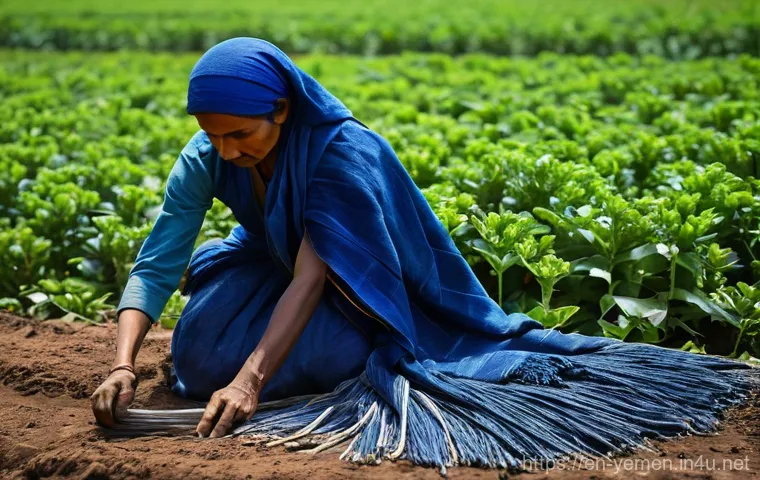
You know, there’s something truly magical about connecting with traditions that have stood the test of time, especially when they involve something as fundamental as color. My fascination with Yemeni natural dyes didn’t just appear overnight; it was a slow burn, sparked by seeing a piece of fabric with such depth of color that I just knew it couldn’t be synthetic. It felt like it had a soul. Yemen, a land steeped in ancient history and rich cultural heritage, has been a vibrant hub for natural dye production for millennia. Imagine artisans, much like us, but centuries ago, meticulously extracting radiant hues from the earth around them. We’re talking about an unbroken chain of knowledge, passed down through generations, transforming humble plants and minerals into textile masterpieces. This isn’t just about dyeing; it’s about a living, breathing art form that tells stories of trade routes, agricultural practices, and the deep connection between people and their land. From my personal exploration, it’s clear that the very essence of Yemeni artistry is intertwined with these ancestral dyeing practices, a testament to their resourcefulness and profound understanding of nature’s palette. It’s an experience that makes you ponder the beauty of patience and the richness that comes from truly working with, rather than against, the natural world.
From Earth to Fabric: The Traditional Craft
Diving deeper into the traditional craft of Yemeni natural dyeing, what I’ve found truly captivating is the sheer ingenuity involved in transforming raw natural materials into stunning, permanent colors. It’s not just a matter of boiling a plant; it’s a sophisticated process that requires a deep understanding of botany, chemistry (even if they didn’t call it that!), and textile science. Imagine the trial and error, the countless experiments passed down from master to apprentice, to discover exactly which part of a plant yields the best color, how to prepare the fibers to accept the dye, and the precise timing for fermentation or mordanting. Take indigo, for example. The process of coaxing that vibrant blue from the indigofera plant is an intricate dance of anaerobic fermentation, a meticulous craft that speaks volumes about the expertise of these dyers. They weren’t just following instructions; they were interpreting nature, adapting to local conditions, and creating beauty with a profound respect for their materials. My own attempts at natural dyeing, though humble, have given me a newfound appreciation for the skill and precision required, especially when you consider the varied environmental factors they contended with. It’s a process that genuinely instills a sense of awe for their ancestral knowledge.
Indigo’s Deep Dive: Yemen’s Blue Gold and Its Legacy
The Allure of the Blue: A Historical Perspective
When you talk about natural dyes in Yemen, it’s impossible not to immediately think of indigo. This magnificent blue pigment, derived from the indigofera plant, was once considered “blue gold” across ancient trade routes, and Yemen played a significant role in its cultivation and export. My journey into understanding natural dyes really took off when I discovered the historical importance of Yemeni indigo. The vibrancy, the depth, the almost ethereal quality of true indigo blue is unlike anything you can achieve with synthetic dyes. It tells a story of royalty, of status, and of painstaking labor. I’ve read accounts of indigo farms flourishing in the fertile lands of Yemen, and how this precious commodity traveled far and wide, adorning textiles in distant lands. It’s more than just a color; it’s a piece of living history, a testament to Yemen’s ancient agricultural prowess and its contribution to global commerce. When I see textiles dyed with authentic indigo, I don’t just see a garment; I see the legacy of generations, the sun-drenched fields, and the hands that carefully tended the plants and processed the leaves. It’s truly a breathtaking connection to the past.
Mastering the Indigo Vat: An Art of Patience
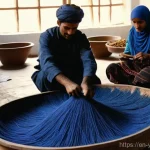
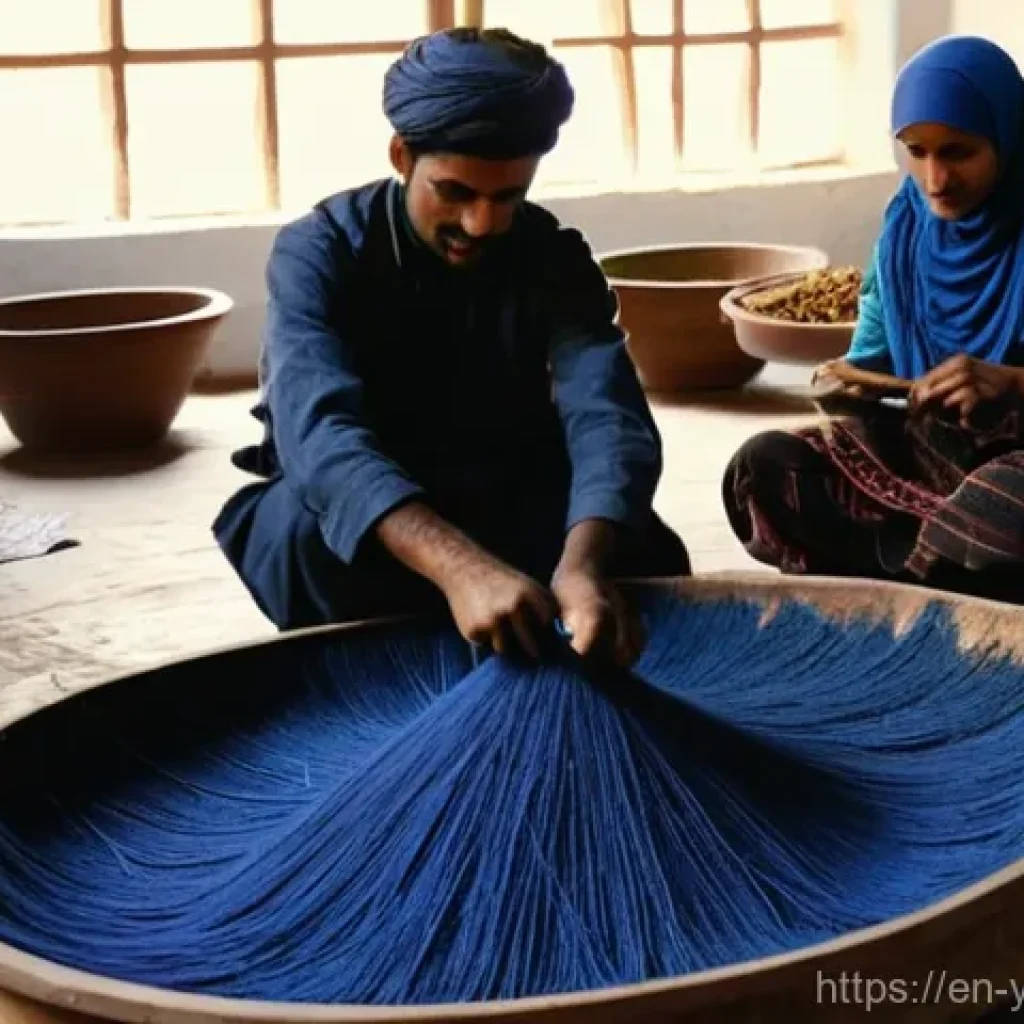
The process of creating an indigo dye vat is, in itself, an incredible art form, demanding both scientific understanding and an almost meditative patience. Unlike many other natural dyes that simply require simmering, indigo needs a specific, oxygen-free environment to release its pigment. From what I’ve learned and experienced (through extensive reading and a few small-scale home experiments!), it’s a fermentation process, often involving natural alkalis like ash and even fruits. The dyers meticulously monitor the pH, temperature, and even the scent of the vat to know when it’s ready. It’s a living, breathing solution, and dipping fabric into it is where the magic truly unfolds. The textile emerges a sickly yellow-green, and it’s only when it’s exposed to the air that the oxygen reacts with the pigment, slowly transforming it into that iconic, deep blue. Watching this happen is genuinely mesmerizing; it feels like witnessing alchemy. This gradual transformation, this patience required, is what truly sets natural indigo apart. It’s a reminder that some of the most beautiful things in life require time and a delicate touch. The subtle variations, the rich depth that develops with multiple dips – that’s the fingerprint of a master dyer and the soul of genuine indigo.
Crimson Secrets and Earthy Tones: Beyond the Blue Horizon
The Fiery Hues of Madder and Pomegranate
While indigo might steal the spotlight, the world of Yemeni natural dyes is far from monochromatic. My exploration quickly led me to the equally fascinating realm of reds and yellows, predominantly derived from plants like madder and pomegranate. Madder root, with its deep, fiery reds and oranges, has a history almost as long and storied as indigo. I’m always amazed at how different mordants (natural fixatives, often mineral salts) can coax an entirely new spectrum of colors from the same madder root, ranging from vibrant cochineal-like reds to soft, earthy browns. Then there’s the pomegranate, not just a delicious fruit but a treasure trove for dyers! The rinds, which many of us might simply discard, yield beautiful yellows, golds, and even muted greens when combined with iron. It’s a fantastic example of sustainable dyeing, utilizing what would otherwise be waste. The ingenuity of these ancient dyers to look at their natural environment and see not just food or building materials, but an entire color palette, is something I find profoundly inspiring. It really makes you rethink what constitutes “waste” in our modern lives. The depth and complexity of these earthy tones are something synthetic dyes can rarely replicate, offering a warmth and authenticity that feels truly comforting.
Unlocking Nature’s Palette: Mordants and Modifiers
A crucial, yet often unsung, hero in the natural dyeing process is the mordant. These aren’t dyes themselves, but rather natural substances that help the dye bind permanently to the fabric, intensifying colors and even shifting hues. It’s like the secret handshake between the dye and the fiber! In Yemen, traditional mordants often included alum (a mineral salt), iron, and even tannins found in plants like oak galls or pomegranate rinds. From my experience with various natural dyeing techniques, I’ve learned that the choice of mordant can dramatically alter the final color. For instance, using iron with a yellow dye like pomegranate can shift it towards olive green, while alum might brighten it. This interaction is where a lot of the artistry and expertise of traditional dyers truly shine. They understood these complex chemical reactions long before modern chemistry was a thing, manipulating them to achieve a vast array of colors from a relatively small number of dye plants. It’s this intricate knowledge of plant chemistry and fiber interaction that allows for such incredible depth and variety in Yemeni textiles. It’s a powerful reminder that nature provides everything we need, if only we take the time to truly understand its gifts.
Beyond the Dye Pot: Cultural Tapestry and Community Life
Weaving Stories: Dyes and Social Significance
What I find truly fascinating about Yemeni natural dyes isn’t just the technical process, but how deeply embedded it is within the cultural fabric and daily life of communities. These weren’t just commercial products; they were integral to local identity, social status, and artistic expression. The colors and patterns often carried symbolic meanings, telling stories of tribes, regions, and even life events. Imagine a bride’s wedding trousseau, adorned with textiles dyed specifically for her, each hue whispering wishes for prosperity or protection. This intertwining of craft and culture creates textiles that are far more than mere functional items; they are powerful artifacts, carrying the weight of history and personal narratives. From my perspective as someone constantly seeking authentic connections, this aspect of natural dyeing resonates deeply. It’s not just about what you wear, but what that garment represents, the hands that made it, and the traditions it embodies. Supporting these crafts means supporting a way of life, an entire cultural narrative that is beautifully expressed through color and pattern. It’s a profound connection that you just don’t get from mass-produced items.
The Rhythm of the Craft: Community and Continuity
The practice of natural dyeing in Yemen often wasn’t a solitary pursuit but a communal activity, fostering a strong sense of community and shared knowledge. Dye houses would have been bustling hubs, where families and neighbors collaborated, sharing tips, perfecting techniques, and passing down skills from elder to youth. This collaborative spirit is something I truly admire; it’s a far cry from the often isolated nature of modern production. The continuity of this craft, despite various challenges, speaks to the resilience and determination of these communities to preserve their heritage. It’s about more than just making a living; it’s about maintaining a connection to their past, sustaining their identity, and celebrating their artistic legacy. When you encounter a beautifully dyed Yemeni textile, you’re not just seeing the work of one artisan; you’re seeing the culmination of generations of shared wisdom, communal effort, and an unwavering dedication to an art form. This collective spirit is what makes these traditions so powerful and enduring, and it’s a beautiful lesson in how collaboration can enrich both the craft and the lives of those who practice it. It truly reminds us of the strength found in coming together.
The Modern Revival: Bringing Ancient Hues to Your Wardrobe
Sustainable Fashion’s New Frontier
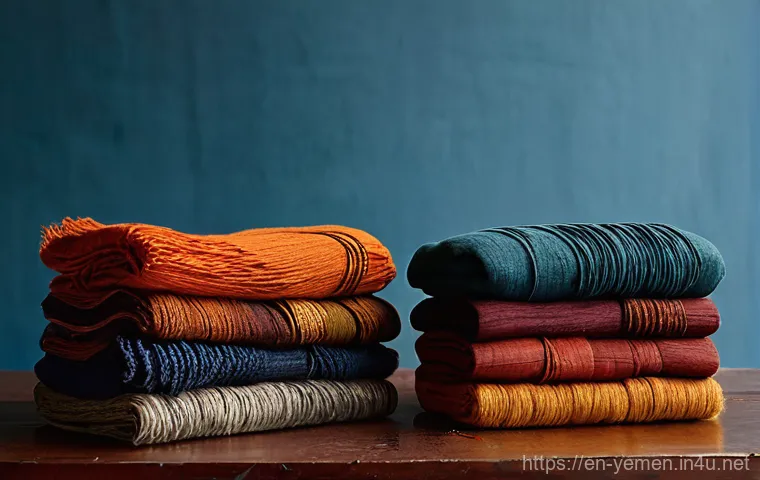
As we, the mindful consumers and fashion enthusiasts, increasingly seek out sustainable and ethically produced goods, ancient practices like Yemeni natural dyeing are experiencing a well-deserved resurgence. It’s incredibly exciting to see how these time-honored techniques are finding their place in contemporary fashion and home decor. The movement towards “slow fashion” isn’t just a trend; it’s a conscious choice to prioritize quality, craftsmanship, and environmental responsibility over fleeting, mass-produced items. Natural dyes fit perfectly into this ethos. They are biodegradable, non-toxic, and often derived from renewable resources, making them a beautiful alternative to synthetic dyes, which can be highly polluting. My personal shift towards appreciating and investing in naturally dyed items has been incredibly fulfilling. There’s a distinct feeling of integrity that comes with wearing something colored by the earth, knowing its journey from plant to fabric was respectful and harmonious. It’s a powerful statement against disposable culture and a celebration of enduring beauty. This revival isn’t just about aesthetics; it’s about making a positive impact, one vibrantly colored thread at a time, and I truly believe it’s the future of responsible design. It gives me so much hope to see these traditional arts thriving again.
Supporting Artisans: Investing in a Legacy
For me, part of the joy of discovering and advocating for practices like Yemeni natural dyeing is the opportunity to directly support the artisans who keep these traditions alive. In a world dominated by industrial production, these skilled individuals often work tirelessly to preserve their ancestral knowledge, sometimes against considerable economic odds. When you purchase an item dyed with traditional Yemeni methods, you’re not just buying a product; you’re investing in a legacy. You’re contributing to the livelihood of skilled craftspeople, helping to ensure that these invaluable techniques are passed on to the next generation. It’s a tangible way to make a difference and to be part of a global movement that values human ingenuity and cultural preservation. From my personal perspective, there’s an unparalleled satisfaction in knowing that my choices are directly contributing to the sustenance of these beautiful arts. It’s about more than just owning something unique; it’s about being a patron of history, an advocate for authentic craftsmanship, and a supporter of communities striving to maintain their heritage. Every purchase is a vote for beauty, tradition, and ethical production, and that’s a powerful feeling.
| Natural Dye Source | Common Hues Achieved | Traditional Yemeni Application |
|---|---|---|
| Indigofera Plant | Deep Blues, Sky Blues, Teal | Textiles, clothing, embroidery threads; historically a major export. |
| Madder Root | Reds, Oranges, Pinks, Earthy Browns | Fabrics for traditional garments, rugs, decorative items. |
| Pomegranate Rind | Yellows, Golds, Olive Greens (with iron) | Clothing, ceremonial cloths, often used for over-dyeing. |
| Henna Leaves | Oranges, Reds, Browns | Primarily for body art, but also for small textile sections and leather. |
Sustainable Hues: Why Natural is the New Black (or Indigo!)
Environmental Harmony Through Color
In our increasingly eco-conscious world, the environmental benefits of natural dyeing are simply undeniable, and it’s something that truly resonates with my personal values. Unlike synthetic dyes, which often rely on petrochemicals and release toxic wastewater, natural dyes are biodegradable and derived from renewable plant and mineral sources. Imagine the impact of reducing chemical pollutants in our waterways and soils just by choosing natural colors! From what I’ve observed and extensively researched, the shift back to traditional dyeing methods like those found in Yemen offers a tangible path toward a more sustainable fashion industry. It’s a return to working in harmony with nature, utilizing resources respectfully, and minimizing our ecological footprint. There’s a certain purity in knowing that the colors adorning your clothing came directly from the earth, processed with minimal harm. This connection to the natural world through color isn’t just a trend; it’s a fundamental re-evaluation of how we consume and create. For me, embracing these sustainable hues isn’t just about looking good; it’s about feeling good about the choices I make and contributing to a healthier planet. It truly aligns with my vision for a more mindful existence.
The Beauty of Imperfection and Longevity
One of the most charming aspects of natural dyes, and something I’ve come to deeply appreciate in my own journey, is the inherent beauty of their slight imperfections and their remarkable longevity. Unlike the uniform, often stark colors of synthetic dyes, natural hues possess a unique depth and subtle variation that tells a story. Each piece dyed with indigo or madder will have its own character, a testament to the natural process and the artisan’s hand. These aren’t flaws; they are features, contributing to the unique charm and authenticity of the textile. Furthermore, well-dyed natural fabrics tend to age beautifully, developing a graceful patina rather than fading harshly. My personal experience with naturally dyed scarves has shown me that they often become softer, more nuanced, and even more beloved with time and wear. They develop a history with you, rather than just being a temporary item. This resilience and evolving beauty stand in stark contrast to fast fashion items that quickly lose their appeal and end up in landfills. Investing in naturally dyed items is an investment in quality, in enduring beauty, and in a more sustainable approach to personal style. It’s about cultivating a wardrobe that truly lasts and tells a story, rather than just following fleeting trends.
My Own Dyeing Adventures and Why You Should Try It
Dipping My Toes (and Fabric!) into the Dye Pot
Okay, I have to be completely honest with you all: after diving so deep into the history and artistry of Yemeni natural dyes, I simply couldn’t resist trying my hand at some basic natural dyeing myself! I started small, with some avocado pits and onion skins (amazing what beautiful pinks and yellows they produce!), and then gradually ventured into indigo. It’s a completely different experience from just buying a dyed product. There’s a certain thrill in extracting color from everyday items, in seeing a humble plant transform a piece of plain cotton into something truly unique. My first indigo vat was a bit temperamental, I’ll admit, but watching that fabric turn from green to blue right before my eyes was an absolute revelation. It felt like I was tapping into an ancient secret. What I learned, more than anything, is the immense patience and respect for the process that these traditional dyers must have possessed. It made me appreciate every single naturally dyed item I own even more. It’s a messy, often unpredictable, but incredibly rewarding experience that connects you directly to the source of your colors. If you’ve ever felt that pull towards slow craft, I genuinely encourage you to give it a go; even a small project can open up a whole new world!
Connecting with History, One Color at a Time
Beyond the sheer enjoyment of creating something with my own hands, my personal dyeing adventures have deepened my connection to the historical and cultural significance of natural dyes, especially those from places like Yemen. When I’m stirring a dye pot, or carefully monitoring the fabric, I can almost feel the echoes of countless artisans who have performed similar actions for millennia. It’s a truly humbling experience, offering a tangible link to a past where every color had a story, every hue a journey. This personal engagement has given me a much richer understanding of the value and artistry embedded in traditional textiles. It’s not just academic knowledge anymore; it’s a lived experience. It makes you realize that what we often take for granted—the vibrant array of colors in our world—is actually a gift from nature, carefully cultivated and understood by generations of skilled craftspeople. So, if you’re looking for a way to slow down, get creative, and connect with a beautiful, ancient art form, I wholeheartedly recommend exploring the world of natural dyes. Who knows what vibrant discoveries await you?
Wrapping Things Up
What a vibrant journey we’ve had, delving into the captivating world of Yemeni natural dyes! For me, exploring these ancient techniques isn’t just about the stunning colors; it’s about touching history, celebrating human ingenuity, and making mindful choices for our planet. It truly brings a sense of deep appreciation for the artistry and dedication woven into every naturally dyed thread. I genuinely hope this dive into Yemen’s rich dyeing heritage inspires you to look at color, fashion, and even sustainability in a whole new light. Let’s keep these incredible traditions alive!
Handy Tips for Your Natural Dye Journey
1. When shopping for naturally dyed items, always look for brands that clearly state their sourcing and production methods. Transparency is key, ensuring you’re supporting ethical practices and genuine artisans who pour their heart and soul into their craft. Many small businesses on platforms like Etsy or dedicated artisan websites offer beautifully unique pieces, often with personal stories behind them, which truly adds to the value and connection you feel with the item. It’s more than just a purchase; it’s an investment in conscious craftsmanship and a piece of living heritage.
2. Caring for your naturally dyed textiles is a bit different from synthetics, but so worth the extra care to preserve those beautiful, nuanced hues. Always wash your items in cold water with a mild, pH-neutral soap—harsh detergents can strip the delicate natural pigments. Avoid direct, prolonged sunlight when drying, as natural dyes can be more sensitive to UV exposure. Laying them flat to dry or hanging them in the shade will help maintain their vibrancy for years to come, allowing them to age gracefully and become even more cherished over time.
3. If you’re curious about trying natural dyeing yourself, my best advice is to start simple! Kitchen scraps like avocado pits for beautiful pinks, onion skins for rich yellows, and even black beans for subtle blues can be fantastic starting points. There are tons of online resources, workshops, and beginner-friendly kits that can guide you through the basics of mordanting and dye extraction. It’s a wonderfully meditative and rewarding hobby that connects you directly to the magic of color, right from your own home, and gives you a newfound appreciation for the ancient process.
4. Remember that natural dyes often result in unique, subtle variations and a depth of color that synthetic dyes simply can’t replicate. Embrace these “imperfections” as part of the item’s unique charm and story. Each naturally dyed piece is truly one-of-a-kind, a testament to the artisan’s hand and the natural world’s palette. It’s this authenticity that makes them so special and gives them a soul you won’t find in mass-produced goods, making every piece a conversation starter and a treasure.
5. Supporting artisans who practice traditional natural dyeing methods is absolutely crucial for cultural preservation. Your purchases directly contribute to their livelihoods, empower their communities, and help keep invaluable ancient knowledge alive for future generations. Seek out fair-trade initiatives and local artisan markets when traveling, or follow dedicated artisan collectives online. It’s a powerful way to vote with your wallet for sustainability, ethical production, and the continuation of beautiful, centuries-old crafts that enrich our global tapestry.
Key Takeaways from Our Colorful Journey
Ultimately, our exploration into the captivating world of Yemeni natural dyes highlights far more than just beautiful colors. It profoundly underscores the deep historical and cultural significance of these ancient practices, revealing how they are intimately intertwined with community life, artistic expression, and human ingenuity. We’ve journeyed through how vibrant hues like indigo, madder, and pomegranate are meticulously extracted from nature, a testament to generations of specialized knowledge and unwavering artistic dedication. This isn’t merely about the technical process of dyeing; it’s about embracing a sustainable, eco-friendly approach to textiles that respects both the earth and its precious resources. By consciously choosing and supporting natural dyes, we actively champion skilled artisans, contribute to the preservation of invaluable cultural heritage, and make thoughtful choices towards a more sustainable and aesthetically rich future. It’s a powerful call to appreciate the enduring beauty, integrity, and soul that only natural processes and devoted human hands can truly create, fostering a deeper, more mindful connection to our world, one stunning, naturally imbued color at a time.
Frequently Asked Questions (FAQ) 📖
Q: What exactly are Yemeni natural dyes, and why are they suddenly catching everyone’s eye in our fast-paced world?
A: Oh, my dear friends, let me tell you, when I first stumbled upon the world of Yemeni natural dyes, it felt like discovering a secret garden of color! These aren’t just any dyes; we’re talking about ancient, time-honored techniques where vibrant hues are coaxed directly from nature itself.
Imagine brilliant indigo blues derived from the very indigo plants that once thrived across Yemen’s fertile lands, or the deep, earthy reds and sun-kissed yellows extracted from local roots, pomegranate rinds, and even certain insects.
It’s a spectrum that tells a story, each shade a whisper from centuries past. Why are they trending now? Honestly, I think it’s our collective longing for authenticity and sustainability.
In a world saturated with synthetic, mass-produced items, there’s something profoundly grounding about textiles colored with ingredients harvested straight from the earth.
My personal experience exploring these textiles left me utterly mesmerized by the nuanced, living quality of the colors—they just breathe differently than anything manufactured.
They connect us to a rich cultural heritage, passed down through generations of skilled artisans, and that’s a narrative we’re all increasingly craving in our homes and wardrobes.
It’s a beautiful antidote to fleeting trends, offering a tangible link to slow fashion and ethical craftsmanship that I, for one, wholeheartedly embrace.
Q: How are these incredible dyes actually made? Is it a complicated process, and what gives them their unique charm?
A: That’s a fantastic question, and one I often ponder myself when I admire a piece! The traditional making of Yemeni natural dyes is truly an art form, a symphony of patience, knowledge, and respect for nature.
It starts with carefully harvesting the raw materials—whether it’s the indigo leaves at just the right stage of maturity, or digging for specific roots, or collecting pomegranate peels after the fruit has been enjoyed.
Each plant or source requires its own unique preparation. For indigo, it often involves fermentation to extract the pigment, a process that smells earthy and alive, I can tell you!
Other materials might be boiled, soaked, or ground into powders. The dyestuff is then combined with water and often a mordant—a natural substance like alum or iron that helps the dye bind permanently to the fabric.
Then comes the magic: the yarn or fabric is carefully immersed, sometimes for hours, sometimes through multiple dips, patiently waiting for the fibers to absorb the rich color.
What makes them unique, beyond the stunning, often variegated shades that no synthetic can replicate, is the sheer human touch. Every batch is slightly different, influenced by the season, the specific plant, even the artisan’s hands.
It’s not just a process; it’s a story woven into every thread. I’ve always been fascinated by how this careful, hands-on approach results in colors that feel alive, deeply resonant, and infused with the spirit of the land.
Q: For someone like me who’s completely captivated, how can we best support the Yemeni natural dye artisans and bring these beautiful products into our modern lives?
A: I totally get that feeling of being captivated – it’s infectious, isn’t it? The best way to support these incredible artisans is, first and foremost, by seeking out and purchasing their work directly whenever possible.
Many artisans and cooperatives are now reaching global markets through online platforms, connecting us directly to their incredible creations. Look for reputable sellers who are transparent about their sourcing and ensure fair trade practices.
By choosing items dyed with these natural methods, whether it’s a stunning scarf, a unique wall hanging, or even a piece of clothing, you’re not just buying an item; you’re investing in a living tradition and providing vital income to communities that preserve these invaluable skills.
I personally believe that integrating these pieces into our modern lives is wonderfully simple. Imagine a beautifully naturally dyed throw accenting your living room, or wearing a naturally dyed scarf that adds a touch of unique elegance to your everyday outfit.
These aren’t just decorative items; they’re conversation starters, pieces with a soul. They fit perfectly into the “slow living” aesthetic, reminding us to appreciate craftsmanship, quality, and the story behind what we own.
It’s about making conscious choices that reflect our values and celebrate the enduring beauty of human artistry and nature’s palette.