Hey everyone, I’ve been diving deep into understanding global economies lately, and something that consistently captures my attention is the sheer resilience of people, even in the toughest situations.
Today, I really want to talk about Yemen, a country often in the headlines for its struggles, but one with a fascinating, albeit fractured, economic story that deserves our closer look.
It’s easy to get lost in the overwhelming news, but peeling back those layers to grasp the everyday economic realities gives us such a vital perspective on what life is truly like there.
From the vibrant agricultural lands that have historically fed its people for centuries, to the oil and gas reserves that once powered its national revenue, and the incredible potential of its coastal fishing communities, Yemen’s economy holds a complex tapestry.
However, as many of us know, years of devastating conflict have dramatically reshaped this landscape, pushing millions into unprecedented hardship. I’ve been reading recent reports, like the alarming findings from the World Bank, that paint a stark picture: a significant plunge in real GDP per capita since 2015 and projections of continued contraction through 2025, alongside widespread food insecurity impacting over 60% of the population.
It’s truly heartbreaking to see the Yemeni Rial depreciate so drastically, and the economy fragmenting into distinct zones, making basic survival a monumental challenge for so many.
Yet, even amidst these dire circumstances, there’s always a glimmer of human spirit and the hope for eventual recovery through international support and, critically, a lasting peace.
This isn’t just about abstract numbers; it’s about the lives of real people navigating immense difficulties and the potential for a brighter future. So, how do these vital sectors function, or rather, *struggle* to function, in today’s Yemen?
How has the ongoing blockade on oil exports crippled government revenues, and what does the future hold for a nation so reliant on aid? It’s a heavy topic, but one that demands our attention if we truly want to understand our world.
Let’s dive deeper and truly get to grips with Yemen’s core economic activities and the incredible challenges they face.
Navigating the Scars of Conflict: Yemen’s Resilient Agricultural Heartbeat
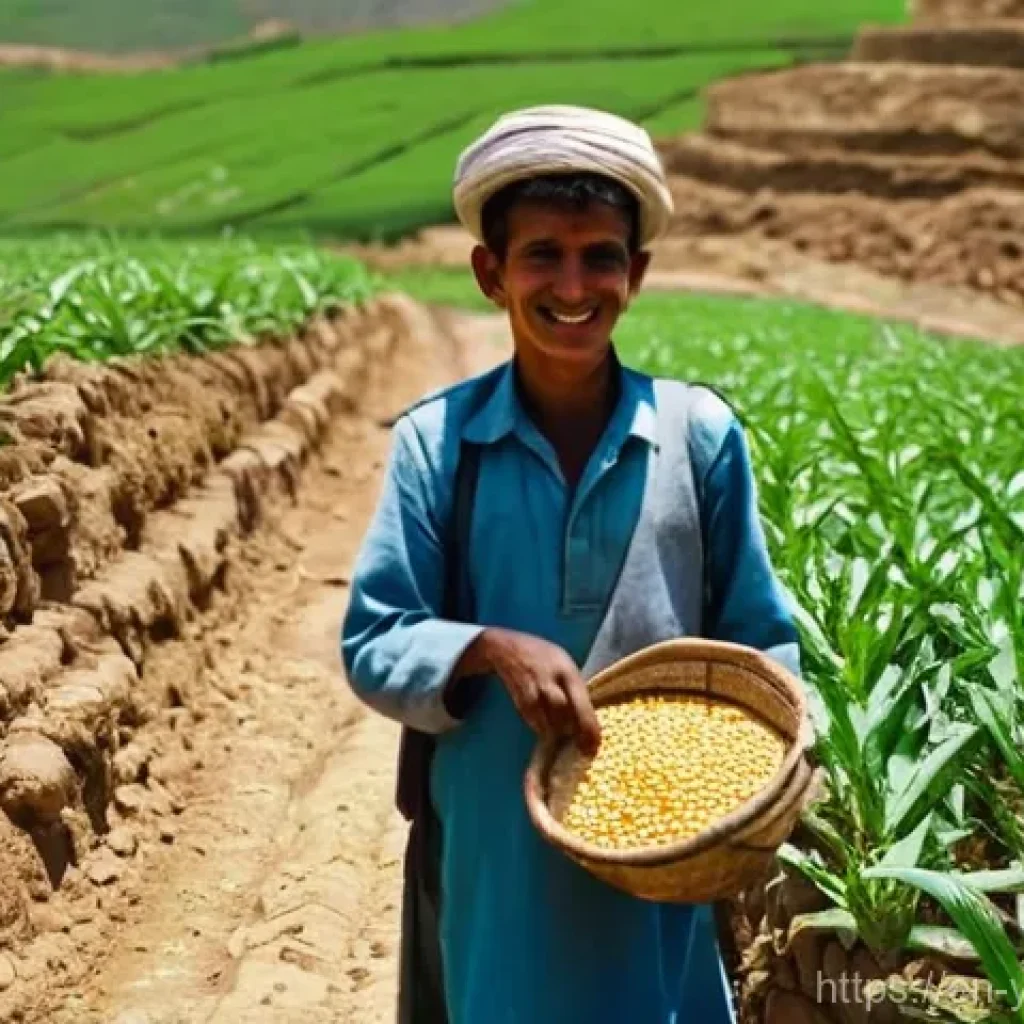
When I started digging into Yemen’s economic story, what truly amazed me was the sheer tenacity of its agricultural sector. Despite everything, farming remains the backbone for so many families, a testament to generations of resilience. It’s not just about producing food; it’s about heritage and a deep connection to the land. I’ve read countless reports, but nothing quite captures the human spirit like seeing how people, even in the most desperate times, continue to cultivate their farms. They’re growing everything from cereals and vegetables to coffee – yes, Yemeni coffee, a truly exquisite treasure that has graced tables for centuries. But here’s the stark reality: while agriculture employs a huge portion of the population, perhaps as much as half, its potential is severely hampered by the ongoing conflict. We’re talking about severe water shortages, which is an age-old problem made worse, and a dire lack of essential inputs like fertilizers and seeds. Imagine trying to feed your family when access to a well is dangerous, or the market for your meager harvest is inaccessible because roads are blocked. It really struck me how these fundamental challenges turn a seemingly simple act of farming into a monumental struggle for survival. The rich agricultural lands that once sustained entire regions are now under immense strain, and the irony isn’t lost on me that a country with such fertile history now faces widespread hunger. It’s a daily battle for these communities, one that often goes unnoticed amidst the broader headlines.
Sowing Seeds in Shifting Sands: Traditional Farming Practices
For centuries, Yemeni farmers have relied on ingenious traditional methods to coax life from their often-arid landscape. I’ve always been fascinated by how these ancient practices, like terracing on mountainsides and sophisticated water harvesting systems, have allowed communities to thrive. It’s a blend of deep historical knowledge and incredible adaptability. Today, many of these methods are still vital, especially as modern infrastructure lies in ruins. Farmers are often left to their own devices, using whatever traditional tools and knowledge they possess. It’s inspiring, really, to see this level of resourcefulness. However, the conflict has drastically reduced their ability to maintain these systems. Think about it: who maintains a complex irrigation channel when they’re worried about their safety, or when vital repair materials simply aren’t available? The younger generations, who might have learned these skills, are often displaced or struggling to find any work at all. It means that precious agricultural knowledge, cultivated over millennia, is now at risk, adding another layer of fragility to an already precarious situation.
The Looming Shadow of Food Insecurity: A Daily Struggle
The numbers are truly heartbreaking. Over 60% of the population is food insecure, and that’s a statistic that hits hard. It means millions of people don’t know where their next meal is coming from. I often try to put myself in their shoes, imagining the constant anxiety of providing for my loved ones when food is scarce and expensive. The agricultural sector, as resilient as it is, simply can’t keep up with the overwhelming demand exacerbated by market disruptions, currency depreciation, and restricted movement. Even if farmers manage a good harvest, getting it to markets that are fragmented and often dangerous is a huge hurdle. This isn’t just a rural issue; urban populations are also deeply affected, relying heavily on aid and imported food that becomes increasingly unaffordable. It’s a vicious cycle where conflict disrupts production, supply chains break down, prices skyrocket, and families plunge deeper into poverty. The impact on children, especially, is devastating, with malnutrition rates reaching alarming levels. It’s a stark reminder that economic stability isn’t just about GDP figures; it’s about the very real, fundamental ability for people to feed themselves.
The Fading Echoes of Oil Riches: A Nation’s Lost Revenue
Before the conflict, Yemen’s oil and gas reserves were a pretty significant part of its national income. It wasn’t a huge producer on a global scale, but for Yemen, those exports brought in crucial foreign currency and government revenue. I remember reading reports from a few years back that painted a picture of potential, of a country trying to leverage its natural resources for development. But sadly, those days feel like a distant memory now. The war has essentially brought the formal oil sector to its knees. I’ve been trying to wrap my head around the scale of this loss, and it’s truly immense. The infrastructure – pipelines, export terminals – has been damaged or become targets, making it incredibly difficult, if not impossible, to extract and export oil safely and consistently. This isn’t just about abstract national income; it filters down to every single person in the country. When the government loses its primary source of revenue, it can’t pay civil servants, it can’t fund essential services like healthcare and education, and it certainly can’t invest in rebuilding. It’s a catastrophic blow that ripples through every facet of society, leaving a massive void that international aid, as vital as it is, can never fully fill. It’s like losing a major organ in a body; everything else struggles to function.
Blockades and Broken Pipelines: The Crippling Impact on Exports
The blockade on oil exports, whether de facto or explicit, has been a particularly brutal chokehold on Yemen’s formal economy. I can only imagine the frustration for those who know there are resources beneath the ground, but they are unable to access the global market. Pipelines, which are the lifelines for transporting oil from inland fields to coastal export terminals, have become points of contention and destruction. When I think about the logistics, it’s mind-boggling. Even if oil could be extracted, how would it get out? The security risks alone are enough to deter most international companies, not to mention the lack of maintenance and investment over the years. This means that a crucial source of foreign exchange – the very currency needed to import food, medicines, and other essentials – has largely dried up. It’s a massive contributing factor to the Yemeni Rial’s dramatic depreciation, making everything imported prohibitively expensive. This isn’t just an economic statistic; it’s a daily struggle for families trying to buy basic necessities in a market where their money buys less and less. The damage here isn’t just physical; it’s systemic, preventing any semblance of recovery for national revenues.
What’s Left: Local Needs vs. National Dreams
While formal exports have largely ceased, oil hasn’t entirely disappeared from Yemen’s internal landscape. However, what remains is a complex and often illicit market for petroleum products, which serves local needs but does little to benefit the national treasury. I’ve seen reports discussing how different factions control various oil fields or smuggling routes, turning what should be a national asset into a fragmented resource fueling localized power struggles. This means that fuel, essential for generators, transportation, and even cooking, is often scarce and incredibly expensive, fluctuating wildly based on regional dynamics. For the average Yemeni, getting hold of fuel is a constant headache and a significant drain on their already meager finances. It starkly contrasts with the pre-conflict aspirations where oil revenues were meant to fund national development projects, build infrastructure, and uplift communities. Now, the dream of leveraging oil for national prosperity seems incredibly distant, replaced by a grim reality where the remaining oil resources are often a source of division rather than unity or growth. It’s a stark reminder of how conflict can warp economic realities.
Casting Nets for Survival: The Unsung Role of Fisheries
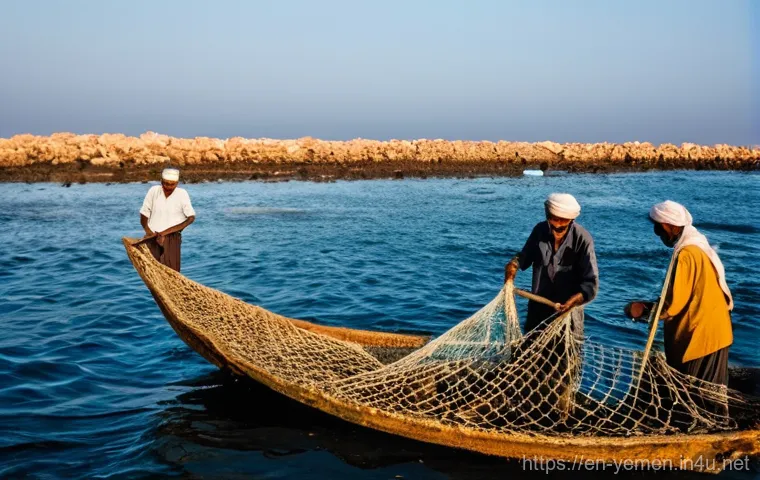
The long Yemeni coastline, stretching along the Red Sea and the Arabian Sea, has always held immense potential for fisheries. I’ve often heard about the incredible diversity of marine life in those waters, and for centuries, fishing has been a vital source of livelihood for countless coastal communities. It’s not just a job; it’s a way of life, passed down through generations. These communities rely on the sea not only for food but also for income, selling their catch in local markets or, in better times, to exporters. Before the conflict, there was a glimmer of hope that this sector could really be developed, perhaps even becoming a significant non-oil export. But like everything else, the war has cast a long shadow over these hopes. I’ve been thinking about the fishermen, out on the water, trying to provide for their families amidst so much uncertainty. They face huge challenges, from restricted access to certain fishing grounds due to military operations or blockades, to a severe lack of fuel for their boats. Imagine being a fisherman, knowing the fish are there, but being unable to reach them or being unable to power your vessel. It’s a constant tightrope walk between earning a living and staying safe, and it’s truly heartbreaking to see such a foundational industry struggling so profoundly.
Coastal Communities on the Brink: Overfishing and Infrastructure Woes
The pressures on Yemen’s fisheries are immense, and it’s not just about the direct impact of conflict. I’ve learned that desperation often leads to unsustainable practices. With so many other economic avenues closed off, more people might turn to fishing, leading to localized overfishing in accessible areas. This puts a huge strain on marine ecosystems that are already vulnerable. Furthermore, the essential infrastructure needed to support a thriving fishing industry – cold storage, processing facilities, reliable transportation to markets – has been severely damaged or simply doesn’t exist anymore. I can only imagine the challenges fishermen face trying to preserve their catch in a hot climate without proper refrigeration, leading to spoilage and lost income. It means that even if they have a good day out on the water, getting that catch to consumers in good condition is a monumental task. The lack of investment and the ongoing instability mean that modernization and sustainable management are distant dreams, pushing these vital communities further to the brink. It’s a sad reality where immediate survival often outweighs long-term ecological and economic health.
A Fragile Bounty: Hopes for Sustainable Futures
Despite the immense challenges, the potential of Yemen’s fisheries remains. I often find myself thinking about what could be if peace were to return. With proper investment, sustainable management practices, and renewed access to markets, this sector could truly flourish again. There’s a rich tradition of fishing, and the coastal communities possess invaluable knowledge. I’ve read about various small-scale initiatives, often supported by international NGOs, trying to introduce more sustainable gear or improve local market access, which gives me a little spark of hope. These efforts, though small, are vital in preserving skills and maintaining a semblance of an economy in these areas. It’s about empowering local fishermen to continue their livelihoods in a way that doesn’t deplete resources for future generations. The challenges are enormous, no doubt, but the sea is a persistent provider, and with stability and support, it could once again become a significant source of food and income for a recovering Yemen. It’s a long shot, but one worth fighting for, given the deep connection these communities have to the ocean.
The Lifeline from Afar: Remittances Keeping Families Afloat
This is a topic that truly highlights the incredible strength of family bonds and the global Yemeni diaspora. When formal economic activity grinds to a halt and jobs disappear, a massive lifeline comes from remittances – money sent home by Yemenis working abroad. I’ve heard so many personal stories of families entirely dependent on these funds, and it really struck me how absolutely critical this flow of money is. It’s not just a supplemental income; for millions, it’s the *only* income, covering everything from food and rent to urgent medical needs. Imagine being hundreds or thousands of miles away, knowing your family back home is facing unimaginable hardships, and feeling that responsibility to send whatever you can. The sheer volume of these remittances is staggering, often far surpassing foreign aid in terms of direct impact on household economies. It’s a testament to the dedication of Yemenis working in places like Saudi Arabia, the UAE, and beyond, who endure their own challenges to support their loved ones. Without these funds, the humanitarian crisis in Yemen would be even more catastrophic than it already is, which is a truly sobering thought. It’s a bittersweet reality: a sign of incredible resilience, but also a stark indicator of how broken the internal economy has become.
Dollars and Riyals: The Backbone of Household Economies
The money sent by Yemenis working abroad, often in US dollars or Saudi Riyals, is then exchanged for Yemeni Rials, which helps to circulate much-needed foreign currency into the local economy. I’ve seen estimates that remittances contribute significantly to Yemen’s GDP, far outweighing traditional exports in recent years. This cash infusion allows families to buy essential goods in local markets, keeping some semblance of commercial activity alive. For many, it’s the only way they can afford imported staples like rice, flour, and cooking oil, which have become incredibly expensive due to currency depreciation. It’s a powerful, decentralized form of aid, directly reaching those who need it most, bypassing many of the logistical hurdles that sometimes affect larger humanitarian operations. The person-to-person nature of remittances creates a direct and immediate impact on family welfare, allowing them to make critical daily choices about survival. It really underscores the point that while governments and international bodies play a crucial role, the unwavering support from individual Yemenis abroad is an absolute game-changer for countless households.
The Cost of Connection: Navigating Fragmented Banking Systems
Even getting these vital funds into Yemen is fraught with challenges. I’ve learned about the complexities of navigating a fragmented banking system where traditional financial institutions are often unreliable or simply non-existent in many areas. Hawala networks, an informal system of money transfer based on trust, have become incredibly important. While effective, they also carry risks and can sometimes involve higher fees. Imagine trying to send money across borders to a war-torn country, worrying if it will actually reach your family safely and in time. Beyond the practicalities, the depreciation of the Yemeni Rial means that the value of the money sent can diminish rapidly. What might be a substantial amount in dollars can quickly lose its purchasing power once converted, adding another layer of anxiety for both the sender and the recipient. It’s a constant battle against logistical nightmares and economic instability, but the sheer necessity of these transfers means people find a way, no matter the obstacles. This struggle highlights the deep personal sacrifice and determination involved in keeping families connected and alive amidst the chaos.
Aid Dependence: A Complex Web of Support and Challenges
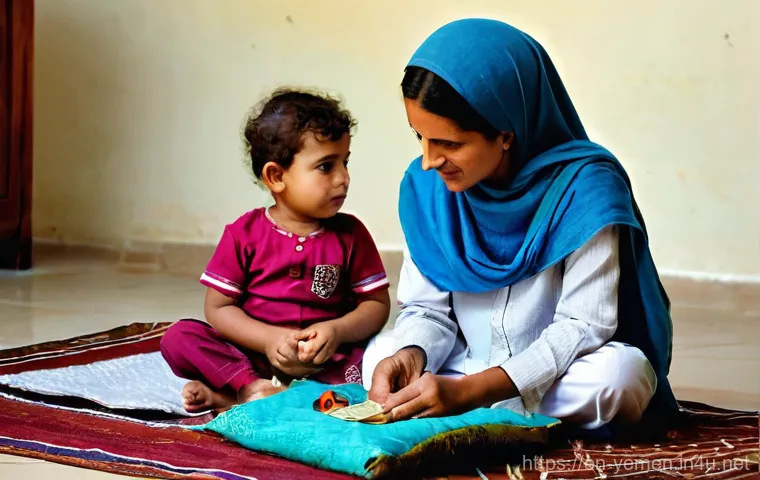
It’s impossible to talk about Yemen’s economy without addressing the enormous role of international humanitarian aid. I’ve seen the numbers, and they’re staggering: Yemen is consistently one of the largest humanitarian crises globally, requiring billions of dollars in assistance each year. And honestly, it makes sense. When a country’s own economic engines are largely stalled, and millions are displaced and facing starvation, aid becomes the absolute minimum required for survival. I often reflect on the dedication of the aid workers, both international and local, who are on the ground, navigating incredibly dangerous and difficult conditions to deliver food, medicine, and shelter. Their efforts are literally saving lives every single day. However, as vital as it is, aid is also a complex beast. While it provides a critical safety net, it’s not a long-term solution, and it can sometimes create unintended dependencies. It’s a delicate balance: addressing immediate, dire needs while trying not to stifle the potential for local economic recovery. It truly highlights the paradox of humanitarian efforts in protracted conflicts – essential for survival, yet challenging for sustainable development.
Bridging the Gaps: How Humanitarian Assistance Sustains Lives
Humanitarian assistance in Yemen covers a vast spectrum of needs, from emergency food distributions to providing clean water, essential medicines, and shelter for displaced populations. I’ve gathered that organizations work tirelessly to reach communities in remote and conflict-affected areas, often facing immense logistical and security hurdles. Think about the coordination required to get supplies from a port to an inland village where roads are damaged or checkpoints are abundant. These efforts directly mitigate the worst effects of famine and disease, preventing an even greater catastrophe. For example, aid programs provide therapeutic feeding for malnourished children, vaccinate against preventable diseases, and offer basic hygiene kits. These aren’t luxuries; they are fundamental interventions that keep people alive. While it often feels like a drop in the ocean compared to the scale of the need, each intervention, each food parcel, each medical treatment, represents a victory against unimaginable odds for the individuals receiving it. It really underscores the fact that without this international support, the situation in Yemen would be far more dire than it already is.
Beyond Aid: Paving the Way for Long-Term Development
As much as aid is indispensable right now, it can’t be the endgame. I often hear discussions about how to move beyond pure humanitarianism towards more sustainable development, even in the midst of conflict. This means shifting focus, where possible, to supporting local markets, rebuilding critical infrastructure like water systems, and empowering communities to restart their own livelihoods. For instance, rather than simply distributing food, some programs aim to provide cash transfers, allowing people to buy from local vendors, which in turn supports the local economy. It’s a small but significant shift. The challenge, of course, is that long-term development requires stability and peace, which are still tragically elusive in many parts of Yemen. But even in pockets of relative calm, efforts to revive small businesses, agricultural projects, and educational initiatives are crucial. I believe these types of programs, which nurture local agency and self-sufficiency, are the real pathway to a future where Yemenis can rebuild their lives with dignity, rather than relying indefinitely on external support. It’s a long road, but every step towards self-reliance is a step in the right direction.
Fragmented Economies, Fragmented Lives: The Divided Yemeni Rial
One of the most complex and frankly bewildering aspects of Yemen’s current economic situation is the fragmentation of its financial system, especially regarding the national currency, the Yemeni Rial. I’ve spent quite some time trying to understand this, and it’s truly a situation of two economies existing side-by-side within one country. Since the central bank effectively split into two rival branches, one in Sana’a and one in Aden, the value of the Rial, and even the types of banknotes in circulation, differ dramatically between areas controlled by different factions. This isn’t just an abstract financial concept; it has profound, devastating impacts on the daily lives of ordinary Yemenis. Imagine living in a country where the money in your pocket has one value in your town, but if you travel just a few miles, it could be worth significantly less, or even be rejected altogether. This creates immense confusion, exacerbates poverty, and makes any kind of coherent economic planning almost impossible. It’s a cruel twist of fate where even the very currency meant to facilitate trade and stability becomes a source of division and instability. I can only begin to grasp the frustration and anxiety this causes for millions of people simply trying to navigate their daily lives.
Two Currencies, One Nation: Navigating Economic Disparities
The existence of effectively two different exchange rates and even different banknote series is a logistical nightmare for businesses and individuals alike. In areas controlled by the Houthi movement, older banknotes are typically in circulation, and the Rial holds a stronger, though still depreciated, value against foreign currencies. In government-controlled areas, newer banknotes are used, and the Rial has seen a much more drastic depreciation. I often think about how challenging this makes trade, even internally. A merchant trying to buy goods from one region and sell them in another faces massive currency conversion risks. It also means that prices for basic goods like food and fuel can vary wildly from one governorate to another, adding to the burden on already struggling families. This economic schism not only hinders trade but also reinforces the political divisions within the country. It prevents any kind of unified approach to economic recovery and deepens the sense of separate realities for Yemenis depending on where they live. It’s a stark illustration of how conflict doesn’t just divide land; it can divide fundamental economic mechanisms as well.
The Daily Grind: Hyperinflation and Survival Strategies
For most Yemenis, the practical outcome of this fragmented financial system, combined with import restrictions and supply chain disruptions, is rampant hyperinflation. I’ve seen reports indicating how the cost of basic food items has soared by hundreds of percent since the conflict began. Imagine your salary, if you even have one, being worth a fraction of what it was just a few years ago. This makes essential goods unaffordable for vast swathes of the population. Families are forced into desperate survival strategies: skipping meals, selling off assets, or pulling children out of school to work. The daily grind is a relentless battle against rising prices and dwindling resources. It’s not just about losing luxuries; it’s about struggling to put bread on the table. The constant depreciation of the Rial in some areas, particularly the government-controlled south, means that any savings quickly become worthless. This economic instability adds another layer of trauma to a population already enduring so much, constantly eroding their purchasing power and their hope for a better future. It’s a financial crisis that translates directly into a humanitarian one, impacting every single facet of life.
| Key Economic Activity | Pre-Conflict Role | Current Challenges & Impact |
|---|---|---|
| Agriculture | Major employer, staple food production, some exports (coffee) | Water shortages, lack of inputs (fertilizer, seeds), market access issues, food insecurity. |
| Oil & Gas | Primary source of government revenue & foreign exchange | Blockades, infrastructure damage, ceased exports, fragmented control, lost national revenue. |
| Fisheries | Livelihood for coastal communities, potential for export | Restricted access to fishing grounds, fuel shortages, infrastructure damage, overfishing. |
| Remittances | Significant household income, some foreign exchange | Reliance on informal networks, currency depreciation, high transfer costs, fragmented banking. |
| Aid | Supplemented national budget, essential for humanitarian relief | Life-saving but not a long-term solution, creates dependency, logistical hurdles. |
Looking Beyond the Horizon: Pathways to Recovery and Peace
Even amidst the profound difficulties, there’s always a part of me that holds onto hope for Yemen. It’s a country with an incredible history, resilient people, and significant natural and human potential. I’ve often thought about what it would truly take to steer Yemen away from this humanitarian and economic catastrophe towards a path of recovery and sustainable peace. It’s not a simple switch that can be flipped; it will require a multifaceted approach, blending international support with internal political will. But the absolute prerequisite, the foundation upon which any economic rebuilding can even begin, is a lasting peace. Without it, every effort to revive industries, stabilize the currency, or attract investment will be undermined. I’ve seen too many instances globally where economic recovery is held hostage by ongoing conflict. For Yemen, this means a political resolution to the conflict isn’t just about ending the fighting; it’s about unlocking the potential for millions to rebuild their lives and their country. It’s a massive undertaking, but the human spirit there is so incredibly strong that I truly believe it’s possible, given the right conditions and unwavering support.
The Essential Role of International Engagement
The international community’s role in Yemen’s future economic recovery is absolutely critical. I’m not just talking about humanitarian aid, which, as we’ve discussed, is a short-term necessity. I mean a concerted, long-term commitment to peacebuilding, economic reconstruction, and development. This includes supporting efforts towards a political settlement, but also providing technical assistance to rebuild institutions, particularly financial ones. Imagine the scale of the task: restoring a functional central bank, stabilizing the currency, and creating an environment where businesses can actually operate and attract investment. It’s going to require substantial financial backing, not just in grants but also in facilitating trade and opening up access to global markets for Yemeni products. Furthermore, addressing the massive infrastructure damage, from roads and ports to power grids and water systems, will need huge international collaboration. It’s a marathon, not a sprint, and I believe the world has a moral obligation to stand by the Yemeni people as they strive to reclaim their future and rebuild their shattered economy.
Building from Within: Local Innovations and Entrepreneurship
While external support is crucial, I truly believe that the most powerful force for Yemen’s long-term recovery will come from within. I’ve been so inspired by stories of local resilience and entrepreneurship, even in the most challenging circumstances. Think about the small businesses that continue to operate, often without formal banking, or the farmers who are experimenting with drought-resistant crops. These local innovations, fueled by ingenuity and necessity, are the seeds of future economic growth. Empowering these local initiatives, whether through microfinance programs or vocational training, can create jobs and foster self-sufficiency. It’s about recognizing and nurturing the incredible human capital that Yemen possesses. Investing in education, particularly for the younger generation, is also paramount. They are the future workforce, the innovators, and the leaders who will ultimately drive their country’s reconstruction. Supporting local governance, fostering community-led development projects, and rebuilding social cohesion are all pieces of this complex puzzle. It’s a long and arduous journey, but by focusing on the strength and determination of the Yemeni people themselves, alongside sustained international partnership, I believe a brighter, more stable economic future is not just a dream, but an achievable goal.
Wrapping Things Up
Diving into Yemen’s economic story has been a truly eye-opening experience. It’s a stark reminder that behind every headline and every statistic are real people, facing unimaginable challenges with incredible resilience. What has truly resonated with me is the sheer determination of Yemenis to survive and, against all odds, to rebuild. From the steadfast farmers to the fishermen casting their nets, and the diaspora sending remittances home, their spirit is a powerful testament to hope. It’s a complex tapestry of hardship and unwavering courage, and while the path to recovery is undeniably long and arduous, I genuinely believe that with sustained international support and, crucially, a lasting peace, this ancient land will one day find its way back to prosperity. Until then, understanding their struggle and celebrating their endurance is the least we can do.
Useful Information to Keep in Mind
1. Understanding the interconnectedness of conflict, economy, and humanitarian crisis is crucial. In situations like Yemen, every aspect of life is impacted by the economic fallout of war.
2. Remittances from abroad often form the primary, sometimes only, lifeline for families in conflict zones, highlighting the strength of diaspora communities.
3. Local economies in these regions frequently adapt, developing informal markets and systems (like Hawala) to cope with the breakdown of formal institutions.
4. The long-term impact of conflict on infrastructure, from water systems to banking, creates challenges that persist long after fighting ceases, hindering sustainable recovery.
5. While humanitarian aid is vital for immediate survival, true stability and recovery require a shift towards supporting local livelihoods and long-term development initiatives.
Key Takeaways
Yemen’s economy is a poignant example of a nation grappling with multifaceted crises. Agriculture, oil, and fisheries, once pillars, are now severely hampered. Remittances and international aid provide critical lifelines, yet the fragmented financial system and hyperinflation compound daily struggles. A lasting peace remains the absolute prerequisite for any sustainable recovery, allowing the resilient spirit of the Yemeni people to finally rebuild their shattered lives and economy.
Frequently Asked Questions (FAQ) 📖
Q: What’s truly happening to Yemen’s key economic sectors like agriculture, fishing, and oil and gas amidst all the ongoing conflict?
A: It’s a really tough situation, and honestly, these traditionally vital sectors are barely clinging on. I’ve seen reports indicating that nearly a third of Yemen’s agricultural and fishing output has just vanished since the conflict escalated.
Can you imagine? Agriculture and fishing are the literal backbone for about 73% of Yemenis for both food and income, so this decline hits families incredibly hard.
The fishing industry, which was once Yemen’s second-biggest export, has been absolutely decimated. Think about it: destroyed ports, damaged boats, soaring costs for equipment and fuel, and even fear of venturing too far out to sea due to security risks.
It’s heartbreaking. On the energy side, the oil and gas sector, which used to be a major revenue generator, has seen production plummet drastically since 2015.
What I’ve learned is that the Houthi-imposed blockade on oil exports since late 2022 has basically brought government revenues to a standstill. We’re looking at a third straight year of virtually zero oil exports, and that means a massive void in the national budget.
It paints a really grim picture of how daily life is impacted when the very foundations of an economy are crumbling.
Q: How has the Yemeni Rial’s value been impacted, and what does this mean for everyday Yemenis trying to make ends meet?
A: Oh, the Yemeni Rial’s situation is just devastating, and it’s something I’ve been following closely because it directly impacts everyone there. The currency has seen an absolutely dramatic depreciation; it’s lost well over half its value compared to just a couple of years ago, plummeting to an all-time low of around 2,760 per U.S.
dollar recently. This isn’t just some abstract financial number; it means that the purchasing power of ordinary Yemenis is being absolutely obliterated.
I’ve heard from people on the ground that basic necessities are now astronomically expensive. Imagine trying to feed your family when the cost of food, which is mostly imported, is constantly skyrocketing, and your income or savings are worth less and less every day.
It fuels rampant inflation, pushing more and more families below the poverty line and into severe food insecurity. It’s creating an impossible situation for millions, making basic survival a monumental challenge.
Q: With the economy so fractured, what are the prospects for Yemen’s recovery, and how much is international aid helping?
A: Honestly, the path to recovery for Yemen feels incredibly steep right now, and the situation is compounded by severe economic fragmentation. The country is essentially operating as two distinct economic zones, each with its own institutions, competing monetary policies, and vastly different exchange rates.
This division only widens disparities and makes any coordinated effort to rebuild nearly impossible. International aid has been an absolute lifeline, preventing an even more catastrophic collapse – literally keeping millions from starvation.
Since 2015, donors have provided over $29 billion in funding for essential services like food security, healthcare, and water. However, here’s the kicker: I’ve seen concerning reports that international donor commitments are actually declining, with the 2025 UN Humanitarian Response Plan only receiving about 9% of its needed funding by May.
This reduction in support comes at a terrible time, jeopardizing the lives of millions who rely on it. While peace is undeniably the most critical factor for any long-term recovery, and efforts are being made to support local institutions and preserve essential services, the declining aid, coupled with persistent conflict and institutional weakness, makes a genuine economic rebound feel very distant without a fundamental shift towards stability and significantly renewed global support.