As someone who’s always got an eye on global economics and fascinating trade stories, I’ve been really digging into Yemen’s unique position in the world of commerce lately.
It’s a country with such a rich history, once a vital hub on the ancient incense routes, trading prized frankincense and the famed Mocha coffee that once monopolized the world market.

You might be surprised to learn that even with all the complexities and challenges Yemen faces today, its trade sector continues to adapt, albeit under immense pressure.
I’ve noticed a lot of chatter about the geopolitical shifts impacting global shipping, especially in the Red Sea, and Yemen is right at the heart of that conversation.
This makes understanding its current imports and exports more crucial than ever, painting a picture of both resilience and acute needs. It truly gives you a fresh perspective on how interconnected our world truly is.
So, if you’re curious about what fuels this ancient land’s economy in the modern era, you’ve come to the right place. Let’s dive in deeper to understand Yemen’s trade and the key items shaping its economic landscape.As someone who’s always got an eye on global economics and fascinating trade stories, I’ve been really digging into Yemen’s unique position in the world of commerce lately.
It’s a country with such a rich history, once a vital hub on the ancient incense routes, trading prized frankincense and the famed Mocha coffee that once monopolized the world market.
You might be surprised to learn that even with all the complexities and challenges Yemen faces today, its trade sector continues to adapt, albeit under immense pressure.
I’ve noticed a lot of chatter about the geopolitical shifts impacting global shipping, especially in the Red Sea, and Yemen is right at the heart of that conversation.
This makes understanding its current imports and exports more crucial than ever, painting a picture of both resilience and acute needs. It truly gives you a fresh perspective on how interconnected our world truly is.
So, if you’re curious about what fuels this ancient land’s economy in the modern era, you’ve come to the right place. Let’s dive in deeper to understand Yemen’s trade and the key items shaping its economic landscape.
The Echoes of Ancient Routes: Yemen’s Enduring Trade Story
As someone who’s always been captivated by the interplay of history and modern economics, delving into Yemen’s trade narrative feels like uncovering a hidden chapter in a truly epic novel. For centuries, this land was synonymous with the aromatic riches of frankincense and the invigorating kick of Mocha coffee, commanding global attention and shaping empires. It’s truly fascinating to reflect on how a place so pivotal in ancient commerce continues to navigate the tumultuous waters of today’s global economy. I’ve often found myself pondering the resilience of its people and the adaptability of its markets, even when facing incredible odds. What keeps this ancient land connected to the world? What goods flow in and out, silently telling tales of survival, need, and aspiration? It’s a question that makes you appreciate the sheer determination inherent in human commerce, no matter the circumstances.
From Incense to Essentials: A Historical Pivot
If you’re anything like me, you probably picture caravans laden with spices and treasures when you think of Yemen’s past. The Marib Dam and the legendary Queen of Sheba are testaments to a time when Yemen was a beacon of prosperity and strategic trade. But let’s be real, the world has changed drastically. While the romantic allure of those ancient routes still lingers, the practical realities of Yemen’s trade today are starkly different. My personal take? It’s a testament to human ingenuity that even when traditional exports like coffee have dwindled due to conflict and changing agricultural landscapes, the country finds a way to sustain itself through vital imports. It’s a powerful reminder that trade isn’t just about luxury; it’s often about fundamental survival, a point that really hits home when you examine Yemen’s current economic pulse.
Navigating Modern Challenges: The Red Sea’s Shifting Tides
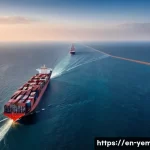
Speaking of modern realities, it’s impossible to discuss Yemen’s trade without acknowledging the Red Sea. I mean, wow, right? It’s become such a focal point in global shipping news, and Yemen sits right at its strategic heart. I’ve been following the geopolitical shifts in this vital waterway with a mix of fascination and concern. The impact on global supply chains is undeniable, and for Yemen, it amplifies existing pressures. It’s like watching a chess game unfold on a grand scale, but with real human consequences. The cost of shipping, insurance premiums, and the sheer unpredictability of routes have all skyrocketed, making it incredibly challenging for goods to reach the Yemeni people. My heart goes out to the local merchants and families who rely on these goods; it’s a daily struggle that most of us in more stable parts of the world can barely imagine.
The Lifelines: What Yemen Brings In
When I look at what Yemen imports, I see a clear reflection of a country in urgent need. It’s not about luxury cars or high-tech gadgets for the general populace; it’s about the absolute necessities for daily life. We’re talking about food, fuel, and medicines – the very foundations of human existence. I’ve read countless reports, and the consistent theme is always the criticality of these basic goods. It reminds me of how fragile our systems can be, and how quickly a stable society can become dependent on external aid and consistent supply lines. I often wonder what it must be like to wake up each day, knowing that the availability of your next meal or the medication your child needs is dependent on a ship safely navigating a complex and often dangerous route. It really puts things into perspective, doesn’t it? The sheer volume of these essential goods speaks volumes about the challenges ordinary Yemenis face.
Fueling Daily Life: Energy Dependency
It’s no secret that a nation needs energy to function, and Yemen is heavily reliant on imported fuel. From running generators to powering what little industry remains, fuel is the lifeblood of the economy. When I first started researching this, I was struck by the sheer scale of this dependency. Imagine trying to keep a society running when your primary energy source has to be brought in from outside, often at great cost and under precarious conditions. This isn’t just about filling up a car; it’s about keeping hospitals lit, water pumps working, and food transported. The volatility of global oil prices, coupled with the logistical hurdles of getting it into the country, creates an incredibly difficult situation. It’s a constant tightrope walk, and I honestly can’t imagine the stress that comes with managing such a critical supply.
Feeding a Nation: The Importation of Food Staples
Food security is perhaps the most pressing issue, and it directly translates into massive import figures for staple foods like wheat, rice, and sugar. This is where the human element really shines through for me. I often think about the families struggling to put food on the table, and how every shipment of grain arriving at a Yemeni port represents a glimmer of hope. It’s not just statistics on a page; it’s real people, real hunger, and real relief when those shipments arrive. The global food market, with its fluctuations and dependencies, directly impacts the lives of millions in Yemen. It reinforces my belief that economic policy isn’t just abstract; it has a profound, tangible impact on the most basic aspects of human well-being. Ensuring these food imports continue to flow is literally a matter of life and death for countless individuals.
Yemen’s Outward Gaze: What It Still Shares with the World
Even amidst the immense pressures, Yemen still manages to offer some goods to the international market, albeit on a much smaller scale than its historical prime. It’s a testament to the enduring spirit of its people and the inherent resources that, despite everything, still exist. While the heyday of Mocha coffee dominance might be a distant memory, there are still pockets of production and unique items that find their way out. It’s like discovering a few precious jewels amidst shifting sands – a reminder that even in adversity, there’s always something valuable to be found. I find it incredibly inspiring to see how local producers, against all odds, continue to cultivate and craft goods that carry a piece of Yemen’s soul to the wider world.
A Glimmer of Green: Agricultural Exports
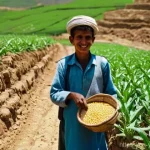
Historically, Yemeni agriculture was diverse, and while much has been disrupted, certain agricultural products still make their way to international buyers. Dates, for instance, are a significant crop, known for their quality. While not on the scale of its past coffee exports, these agricultural products represent an important, albeit small, source of income for many communities. It’s an example of how traditional practices, even when challenged, can persist and provide some economic lifeline. When I think about the farmers who painstakingly tend their fields, knowing the difficulties in getting their produce to market, I’m filled with admiration. Their efforts are a quiet act of resilience, connecting Yemen to global consumers through the fruits of their labor.
The Minerals Beneath: Unlocking Potential
Beneath the surface, Yemen is known to have reserves of various minerals, including some industrial minerals and potentially oil and gas. While exploitation has been severely hampered by conflict and a lack of infrastructure, there’s a long-term potential here that I find truly intriguing. Imagine a future where these resources could be sustainably developed to benefit the Yemeni people, providing a pathway to economic recovery and stability. It’s a challenging prospect, undoubtedly, but the thought of unlocking this latent potential is quite powerful. For me, it highlights the enduring value of natural resources and the hope they can offer for a brighter tomorrow, should conditions allow for their responsible development.
The Global Tapestry: Yemen’s Trade Partners
Understanding who Yemen trades with gives us a clearer picture of its geopolitical and economic connections. It’s not just about what goods are exchanged, but who is willing and able to facilitate that exchange under challenging circumstances. When I look at the list of countries, I see a network built out of necessity and, in some cases, humanitarian aid, rather than purely commercial interest. It’s a complex web that reflects the delicate balance of international relations and the pressing needs within Yemen. This isn’t just business as usual; it’s a testament to international cooperation, even if sometimes strained, in the face of immense difficulties. The relationships formed through trade, however complex, are crucial veins for a nation under stress.
Regional Bonds: Neighbors and Necessity
Unsurprisingly, many of Yemen’s key trade partners are its regional neighbors. Countries in the Gulf Cooperation Council (GCC) and others along the Red Sea often play a critical role, both geographically and logistically. I’ve often observed how proximity naturally fosters trade relationships, and in Yemen’s case, this is amplified by the urgent need for accessible supply routes. These regional ties are not just economic; they are deeply intertwined with historical and cultural connections. It’s a dynamic that underscores how local partnerships become even more vital when global supply chains face disruption. For me, it shows the enduring strength of community and shared regional destiny, even through challenging times.
International Support: The Broader Network
Beyond its immediate neighbors, Yemen also engages with a broader network of international partners, especially when it comes to humanitarian aid and essential imports. While direct commercial trade might be limited with some of these nations, their role in facilitating the flow of aid and basic goods is paramount. This intricate dance of commerce and aid highlights the global community’s interconnectedness and the shared responsibility to address crises. It’s a moving illustration of how, in times of dire need, nations come together, even if the primary drivers aren’t typical market forces. I find it incredibly humbling to see how global efforts, however imperfect, coalesce to support a nation in crisis, demonstrating a collective humanity that transcends borders.
| Category | Main Items/Characteristics | Impact/Notes |
|---|---|---|
| Major Imports | Foodstuffs (Wheat, Rice, Sugar), Fuel (Diesel, Gasoline), Medicines, Humanitarian Aid Supplies | Crucial for survival, heavily impacted by Red Sea disruptions and conflict, leading to price increases and shortages. |
| Major Exports | Dates, Fish and Fish Products, Some Agricultural Products, Minor Mineral Exports | Significantly reduced compared to historical levels; hampered by infrastructure damage, limited production, and export route difficulties. |
| Trade Partners | GCC Countries (e.g., Saudi Arabia, UAE), India, China, Turkey, Egypt, Djibouti | Regional partners are critical due to proximity; international partners often involved in aid or specific commodity supply. |
| Trade Challenges | Conflict, Blockades, Red Sea Geopolitics, Port Damage, Lack of Infrastructure, Currency Devaluation, High Shipping Costs | Creates immense barriers to both import and export, exacerbating humanitarian crisis and stifling economic recovery. |
The Human Element: Impact on Daily Lives
When we talk about trade statistics and economic indicators, it’s easy to forget the real people behind the numbers. But for me, the most compelling part of Yemen’s trade story is its direct and often devastating impact on everyday Yemenis. I’ve read so many personal accounts, seen heartbreaking images, and the consistent thread is how the disruptions to trade translate into tangible suffering. It’s not just a theoretical concept; it’s a mother struggling to find affordable food for her children, a small business owner watching their livelihood disappear, or a patient unable to access life-saving medicine. This is where the true weight of the situation settles in, and it makes you realize the profound human cost of economic instability.
Rising Prices and Scarcity: A Daily Struggle
I can only imagine the frustration and despair of facing ever-increasing prices for basic necessities, coupled with the constant threat of scarcity. It’s a reality that millions in Yemen confront every single day. The interruption of supply lines, the increased cost of shipping, and the depreciation of the local currency all conspire to make even the most fundamental goods a luxury for many. From my vantage point, observing global markets, I often reflect on how a simple logistical bottleneck in one part of the world can have such a catastrophic ripple effect on the other side. It’s a stark reminder of how interconnected we all are, and how vulnerabilities in one link of the chain can break an entire system for those most dependent on it. This daily struggle for essentials is a brutal illustration of how trade disruptions manifest on the ground.
The Resilience of Local Markets: Adapting to Adversity
Despite these overwhelming challenges, I’m continually amazed by the resilience of local markets and the sheer determination of traders and consumers. You hear stories of ingenious ways people adapt, finding alternative routes, bartering, and supporting local productions where possible. It’s a powerful testament to the human spirit’s capacity to survive and even innovate under immense pressure. While the formal trade sector faces enormous hurdles, these informal, community-driven efforts often become the true lifelines for many. It reinforces my belief that even when grand systems fail, the ingenuity and resourcefulness of individuals can create micro-economies of survival. It’s a glimmer of hope that, despite everything, people find ways to persevere and keep the embers of commerce glowing.
Looking Ahead: The Future of Yemeni Trade
Pondering the future of Yemen’s trade landscape fills me with a mix of trepidation and cautious optimism. On one hand, the current challenges are immense, deeply entrenched, and show no signs of easy resolution. The geopolitical complexities, the humanitarian crisis, and the damaged infrastructure create a formidable barrier to any kind of rapid economic recovery. However, on the other hand, Yemen’s strategic location, its historical role in trade, and the sheer resilience of its people suggest that the potential for revival, given the right conditions, is always there. It’s a long road ahead, undoubtedly, but I refuse to believe that a nation with such a rich trading heritage can’t, eventually, find its footing again on the global stage. My personal hope is for a future where peace can finally allow for reconstruction and the revitalization of its economic lifelines.
Rebuilding Infrastructure: A Foundation for Recovery
Any meaningful recovery in Yemen’s trade sector absolutely hinges on the rebuilding of critical infrastructure – ports, roads, and energy networks. I mean, it’s pretty obvious, right? Without reliable ways to move goods in and out, and without a stable power supply, even the best intentions for economic growth will falter. I’ve seen this pattern play out in so many post-conflict regions: infrastructure is the bedrock upon which everything else is built. It’s a massive undertaking, requiring substantial international investment and a period of sustained peace, but it’s an absolutely non-negotiable step. Imagine the boost to local businesses and the ease of life for ordinary citizens if these essential arteries were fully restored. It’s a vision that truly makes me hopeful for what could be.
Diversifying the Economy: Beyond Essentials
While the immediate focus is, and rightfully should be, on essential imports, a long-term vision for Yemen’s trade would ideally involve diversifying its economy and fostering new export opportunities. This is where innovation and investment in sectors beyond traditional agriculture and raw materials could really make a difference. I often think about the unique crafts, potential for tourism (once safe), and other specialized industries that could emerge given stability and support. It’s a challenging prospect to think about diversification when basic needs are still paramount, but it’s a crucial component of sustainable growth. For me, it represents the pathway from mere survival to genuine prosperity, a future where Yemen can once again offer its unique contributions to the global marketplace, not just rely on its neighbors for sustenance.
Wrapping Things Up
Well, friends, as we draw this journey into Yemen’s incredible, yet incredibly challenging, trade story to a close, I’m left with a profound sense of awe and a heavy heart. It’s truly mind-boggling to think about how a land so steeped in ancient prosperity, once a linchpin of global commerce, navigates the complexities of today’s world. My hope, and I truly believe it’s shared by many, is that peace will eventually allow this resilient nation to rebuild its economic arteries. It’s a powerful reminder that behind every trade statistic, every shipping route, and every commodity price, there are real people striving for a better life. Understanding these dynamics isn’t just an academic exercise; it’s a window into the human spirit’s indomitable will to survive and, ultimately, thrive against all odds. I’ve personally gained so much perspective from exploring this topic, and I truly hope you have too.
Good to Know Info
For anyone who’s as fascinated by global trade and humanitarian issues as I am, here are a few quick takeaways and extra insights that I’ve found incredibly useful when trying to grasp the nuances of Yemen’s situation and similar scenarios around the world:
1. Yemen’s Historical Prowess: Remember, this isn’t a new player on the trade scene. For millennia, Yemen was a powerhouse, controlling the frankincense route and later becoming synonymous with “Mocha” coffee. Understanding this rich past helps put its current struggles into a much broader, more poignant context. It highlights just how much potential lies dormant, waiting for stability.
2. The Shift to Essential Imports: Today, Yemen’s trade is overwhelmingly focused on bringing in the absolute necessities: food staples like wheat and rice, vital fuel for power and transport, and life-saving medicines. This dramatic shift from luxury exports to survival imports really underscores the humanitarian crisis and the immediate priorities for its people.
3. Red Sea’s Global Significance: Geographically, Yemen sits right on the Bab al-Mandab strait, a choke point in the Red Sea. Recent geopolitical events in this region have shown just how critical this waterway is for global shipping and how disruptions here ripple across the world, significantly impacting everything from oil prices to the cost of consumer goods, and especially exacerbating Yemen’s own import challenges.
4. Resilience in Local Markets: Even with formal trade channels severely hampered, local markets in Yemen often display incredible resilience and adaptability. Informal networks, bartering, and community-level solutions emerge as vital lifelines, demonstrating the human capacity for innovation and survival under immense pressure. It’s a testament to the local entrepreneurial spirit.
5. Long-Term Potential: Despite the current devastation, Yemen possesses significant long-term potential, from its strategic location to untapped mineral resources and its historically fertile agricultural lands. Given sustained peace, international investment, and focused reconstruction efforts, there’s a real possibility for Yemen to reclaim a more stable and prosperous role in regional and global trade.
Key Takeaways
Diving deep into Yemen’s trade story has been a truly illuminating experience for me, revealing layers of history, economics, and human resilience. What stands out most profoundly is the stark contrast between its glorious past as a trading hub, rich with frankincense and coffee, and its current reality, where trade is primarily a lifeline for essential goods like food, fuel, and medicine. The Red Sea’s strategic importance, now more than ever, underscores Yemen’s pivotal yet precarious position in global commerce, with geopolitical shifts having immediate and tangible impacts on daily life. Despite immense challenges like conflict, infrastructure damage, and economic hardship, the enduring spirit of the Yemeni people and the adaptive nature of local markets offer glimmers of hope. Looking forward, the pathway to recovery absolutely hinges on peace, significant reconstruction of infrastructure, and a concerted effort to diversify the economy beyond immediate necessities. It’s a complex narrative, but one that powerfully illustrates the interconnectedness of our world and the profound human cost—and enduring hope—found within global trade.
Frequently Asked Questions (FAQ) 📖
Q: What are Yemen’s primary imports and exports today, and how have they shifted from its historical trade?
A: It’s fascinating how a country’s trade profile can evolve, isn’t it? Historically, Yemen was renowned for its frankincense and the legendary Mocha coffee.
While those still hold cultural significance, the modern trade landscape is quite different, reflecting both global demands and internal challenges. From what I’ve seen in recent data, Yemen’s imports are heavily focused on essential goods.
We’re talking about things like cereals—think wheat and rice, which are vital for feeding the population—along with raw sugar, raw iron bars, and concentrated milk.
These are truly fundamental items that keep daily life going. On the export side, while not as dominant as its ancient commodities, Yemen does export gold, scrap iron, mollusks, and various types of fish.
There’s also some export of industrial fatty acids and electrical parts. It’s a clear shift from luxury goods and agricultural monopolies to a mix of necessities and raw materials, reflecting the complex economic situation the country finds itself in.
Q: How are the ongoing geopolitical developments in the Red Sea impacting Yemen’s trade routes and economy?
A: Oh, this is such a critical and timely question! As I mentioned earlier, Yemen sits right at the mouth of the Red Sea, making it incredibly susceptible to any disruptions there.
What I’ve been observing is that the geopolitical tensions, particularly the Houthi attacks on commercial vessels in the Red Sea and Gulf of Aden, are causing a significant ripple effect.
Shipping costs to Yemeni ports have seen a record rise, which naturally means an increase in the price of imported goods for the average Yemeni family.
Imagine paying so much more for your everyday essentials just because of a longer, more dangerous route! This not only affects food items but also extends to other sectors that rely on imported components.
The navigation activity in key Yemeni ports like Aden has certainly been impacted, leading to delays and further economic strain. It truly highlights how global events can have very direct, tangible consequences on local economies and people’s livelihoods.
Q: What are some of the biggest challenges that Yemen’s trade sector currently faces, beyond the Red Sea situation?
A: It’s heartbreaking to see, but Yemen’s trade sector is navigating a perfect storm of challenges, even beyond the Red Sea volatility. What I’ve gleaned from various reports is that the prolonged conflict itself has caused a dramatic collapse in exports, especially oil and gas, which historically formed the backbone of the country’s export revenues.
We’re talking about a massive decrease! Infrastructure is another huge hurdle; damaged ports, roads, and storage facilities make it incredibly difficult to move goods efficiently and cost-effectively.
Then there’s the issue of weak legal and institutional frameworks, meaning things like a lack of a clear national export strategy or inactive trade agreements.
Plus, accessing finance for trade is a constant struggle, and complying with international standards can be tough, sometimes even leading to export bans.
The economic fragmentation within the country, with different regions controlled by different factions, only exacerbates these issues, making trade flows unpredictable and costly.
It really makes you think about the sheer resilience of the Yemeni people to adapt and continue trade under such immense pressure.