Yemeni traditional pottery is a vibrant art form that carries centuries of cultural heritage and craftsmanship. Each piece tells a story, shaped by hands that have mastered techniques passed down through generations.

The unique designs and earthy tones reflect the rich landscape and history of Yemen, making these ceramics truly one-of-a-kind. Beyond their aesthetic charm, these pots serve practical purposes in daily Yemeni life, blending beauty with utility.
Exploring this craft reveals not just art, but a living tradition deeply woven into the fabric of Yemeni culture. Let’s dive deeper and uncover the fascinating details behind this timeless pottery tradition!
Handcrafting Techniques That Bring Clay to Life
Shaping the Clay: From Raw Material to Form
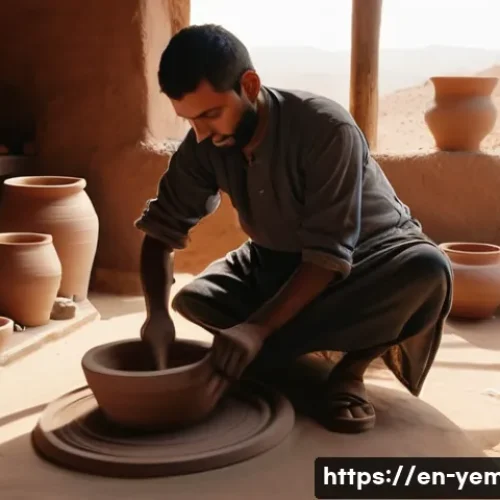
Working with raw clay in Yemen is a tactile experience steeped in tradition. Artisans start by kneading and purifying the clay to remove impurities, a process that ensures durability and smoothness.
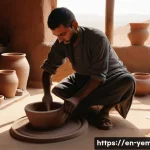
The shaping is often done on a simple, manually operated wheel or even by hand, depending on the region and the potter’s style. Watching a potter spin the wheel, molding the clay with deft fingers, you can almost feel the connection between maker and material.
This intimate method allows for subtle variations in shape and size, making each pot distinct. It’s not just about utility; it’s about infusing personality into every curve and edge.
Firing Practices: The Secret to Longevity
Once shaped, the pottery undergoes firing, a crucial step that transforms fragile clay into sturdy vessels. Yemeni potters traditionally use open-air kilns fueled by wood or dried palm fronds, which creates a unique smoky finish.
The firing temperature is carefully controlled through experience rather than instruments, a skill passed down through generations. This hands-on approach means that each firing session is a bit unpredictable, lending character to the final product.
The slower firing process also helps in maintaining the earthy hues that characterize Yemeni ceramics, connecting the final piece back to its natural origins.
Decorative Touches: Stories in Every Stroke
Decoration is where creativity truly shines. Potters use natural pigments derived from minerals and plants to paint geometric patterns, floral motifs, and symbolic designs.
These patterns are not just ornamental; they often carry cultural significance, representing tribal affiliations or local legends. The colors range from deep reds and browns to muted yellows and blacks, blending seamlessly with the clay’s natural tone.
What fascinates me is how these designs, though rooted in history, continue to evolve as each artisan adds their personal flair, keeping the tradition both alive and dynamic.
The Role of Pottery in Yemeni Daily Life
Functional Vessels for Everyday Use
Yemeni pottery isn’t just art on a shelf; it plays a vital role in households across the country. From water jars that keep liquids cool in the desert heat to cooking pots designed to withstand high flame, these ceramics are practical tools.
The porous nature of the clay helps in natural cooling and moisture retention, which is especially valuable in Yemen’s arid climate. Many families rely on these vessels daily, and you can often spot them in markets or homes, blending utility with cultural identity.
Ceremonial and Social Significance
Beyond functionality, pottery is deeply woven into social rituals. Specially crafted pots are used during weddings, religious events, and harvest celebrations.
These pieces often carry more elaborate decorations and are considered prized possessions within communities. They symbolize hospitality and respect, often presented as gifts or used to serve traditional foods and drinks.
Through these social uses, pottery becomes a medium of connection, storytelling, and cultural preservation.
Economic Impact and Artisan Communities
The pottery craft supports many families and small communities in Yemen. Artisans often work from home studios or cooperatives, selling their wares in local markets and increasingly through online platforms.
This craft not only sustains livelihoods but also preserves an important cultural legacy. Supporting these artisans means investing in a tradition that blends history with modern economic realities, providing a lifeline for many in rural areas.
Distinctive Aesthetic Elements in Yemeni Pottery
Earthy Color Palette Rooted in Nature
One of the first things you notice about Yemeni pottery is its color palette—warm, earthy tones that mirror the country’s landscapes. The reds, ochres, and browns come from natural pigments and the clay itself, fired to bring out subtle variations.
These colors aren’t just beautiful; they tell a story of the land, the minerals, and the environment from which they originate. This natural color scheme gives each piece an organic feel that’s hard to replicate with modern materials.
Geometric and Symbolic Patterns
Yemeni pottery is famous for intricate geometric patterns that often have symbolic meanings. These motifs can include zigzags, triangles, and concentric circles, each representing different cultural ideas such as protection, fertility, or the cosmos.
The repetition and symmetry of the designs create a mesmerizing visual rhythm that speaks to the artisan’s skill and cultural knowledge. Seeing these patterns in person reveals the deep connection between art and identity in Yemeni society.
Texture and Finish Variations
The surface texture of Yemeni pottery varies widely, from smooth, polished finishes to rough, tactile surfaces that invite touch. Some pots are burnished to a glossy shine using stones or cloth, while others retain the raw feel of the clay.
These finishing techniques impact both aesthetics and function, influencing how the pot handles heat or moisture. This diversity in texture adds to the richness of the craft, showing how potters adapt their work to different needs and tastes.
Preserving Tradition Amid Modern Challenges
The Impact of Conflict and Economic Hardship
Yemen’s ongoing conflicts have taken a toll on many traditional crafts, pottery included. Access to raw materials, stable markets, and safe working conditions has become increasingly difficult.
Many artisans face challenges in sustaining their craft while supporting their families. Despite this, the resilience of potters shines through as they find innovative ways to continue their work, sometimes partnering with NGOs or international organizations to reach new audiences.
Efforts Toward Cultural Preservation
Various cultural preservation initiatives are underway to protect and promote Yemeni pottery traditions. These include workshops, exhibitions, and training programs aimed at younger generations.
Some artisans are also experimenting with blending traditional techniques with contemporary designs to attract global markets without losing authenticity.
This balance is crucial for keeping the craft relevant and economically viable in today’s world.

Digital Platforms as New Marketplaces
The rise of digital technology offers a silver lining for Yemeni potters. Online marketplaces and social media allow artisans to showcase their work to an international audience, bypassing some local limitations.
This exposure helps generate income and raises awareness about Yemen’s rich cultural heritage. From my conversations with artisans, it’s clear that digital tools are becoming a vital lifeline for sustaining this ancient craft in modern times.
Comparing Yemeni Pottery Styles Across Regions
Northern Highlands vs. Coastal Influences
The northern highlands of Yemen produce pottery that tends to be sturdier with thicker walls, designed to endure colder temperatures and rougher handling.
In contrast, coastal pottery often features lighter, more delicate shapes with influences from trade routes that historically connected Yemen to East Africa and the Arabian Peninsula.
These regional differences reflect not only climate and use but also cultural exchanges that have enriched Yemeni pottery over centuries.
Urban Centers vs. Rural Workshops
Pottery from urban centers like Sana’a often showcases more elaborate decorative elements, catering to wealthier clientele and collectors. Rural workshops, meanwhile, focus on functional pieces made for everyday use, often with simpler designs but exceptional craftsmanship.
This urban-rural divide highlights how pottery adapts to different social and economic contexts within Yemen.
Materials and Techniques by Region
Different regions in Yemen use locally sourced clays and firing methods that result in distinct textures and finishes. For example, some areas prefer slow firing in pit kilns, which creates unique smoky effects, while others use faster kiln methods producing more uniform colors.
Understanding these nuances adds depth to appreciating Yemeni pottery as a diverse and regionally rich craft.
| Region | Clay Characteristics | Firing Method | Typical Designs |
|---|---|---|---|
| Northern Highlands | Dense, coarse clay | Slow wood-fired kiln | Bold geometric patterns, earthy tones |
| Coastal Areas | Fine, lighter clay | Open-air firing with palm fronds | Delicate shapes, floral motifs |
| Urban Centers | Refined clay mixtures | Controlled kiln firing | Intricate symbolic designs |
| Rural Workshops | Local raw clay | Pit kiln or open fire | Simple, functional patterns |
Integrating Yemeni Pottery Into Modern Living Spaces
Functional Art for Everyday Use
Incorporating Yemeni pottery into modern homes brings both utility and cultural richness. Water jars, planters, and serving dishes crafted traditionally add warmth and authenticity to any space.
I’ve found that using these pieces daily deepens appreciation for their craftsmanship, turning simple objects into conversation starters and cultural bridges.
Their natural materials and earthy colors also blend beautifully with contemporary décor, creating a unique fusion of old and new.
Decorative Accents and Collectibles
Many collectors and interior designers seek out Yemeni pottery as accent pieces. Their distinctive textures and patterns add character to shelves, mantels, or tables.
Unlike mass-produced ceramics, these handmade items carry stories and histories, making them meaningful additions to any collection. I personally love placing a hand-painted Yemeni vase in my living room; it always sparks curiosity and admiration from guests.
Supporting Ethical and Sustainable Choices
Choosing Yemeni pottery also means supporting sustainable and ethical craftsmanship. Unlike factory-made ceramics, these pots are made with natural materials and traditional methods that minimize environmental impact.
By purchasing directly from artisans or fair-trade cooperatives, consumers help preserve cultural heritage and empower communities economically. It’s a choice that benefits both the buyer’s home and the artisan’s future.
Conclusion
Yemeni pottery is more than just handcrafted clay vessels; it embodies a rich cultural heritage, practical daily use, and artistic expression. The resilience of artisans amid modern challenges highlights the craft’s enduring significance. Integrating these unique pieces into contemporary living spaces offers a meaningful connection to tradition and sustainability.
Useful Information to Keep in Mind
1. Yemeni pottery is traditionally made using natural clays and pigments, reflecting the country’s diverse landscapes and cultural history.
2. The firing process is often done in open-air kilns using wood or palm fronds, which gives each piece a distinct smoky finish and earthy tones.
3. Decorative patterns on the pottery are symbolic, representing local stories, tribal affiliations, and cultural beliefs.
4. Despite economic and conflict-related hardships, artisans continue to preserve their craft, increasingly leveraging digital platforms to reach wider audiences.
5. Purchasing Yemeni pottery supports ethical craftsmanship and helps sustain artisan communities while adding authentic, functional art to your home.
Key Takeaways
Yemeni pottery blends tradition, functionality, and artistry in a way that few crafts do. Its handmade nature ensures each piece carries personal touches and cultural stories. While modern challenges threaten its continuity, the dedication of artisans and the growing global appreciation through online markets offer hope. Choosing these handcrafted ceramics means embracing sustainability, supporting local economies, and preserving a unique cultural legacy for future generations.
Frequently Asked Questions (FAQ) 📖
Q: What makes Yemeni traditional pottery unique compared to other pottery styles?
A: Yemeni traditional pottery stands out because of its deep connection to the region’s history and environment. The artisans use techniques that have been handed down for centuries, often shaping the clay by hand without modern machinery.
The earthy tones and intricate patterns are inspired by Yemen’s diverse landscapes—from desert hues to mountain motifs—creating pieces that are not only visually striking but also culturally meaningful.
This blend of heritage, craftsmanship, and natural inspiration gives Yemeni pottery its distinct identity.
Q: How are Yemeni pottery pieces used in everyday life?
A: Beyond their artistic appeal, Yemeni pottery items are highly practical and woven into daily routines. Commonly, these pots are used for storing water, cooking, and serving food, especially in traditional households.
The porous nature of the clay helps keep water cool in Yemen’s hot climate, which is a clever, natural cooling method. I’ve heard from travelers and locals alike that these pots often become centerpieces during meals, combining utility with beauty in a way that feels very authentic and grounded.
Q: Are there any challenges facing the tradition of Yemeni pottery today?
A: Absolutely. Political instability and economic hardships in Yemen have made it difficult for many artisans to sustain their craft. Access to quality materials and markets is often limited, which threatens the continuity of these age-old techniques.
However, some local and international efforts aim to support these craftsmen by promoting their work globally, helping to preserve this rich cultural heritage.
From what I’ve gathered, when you buy a piece of Yemeni pottery, you’re not just getting art—you’re supporting a community and helping keep a precious tradition alive.