In recent years, Yemen’s agricultural landscape has faced unprecedented challenges, from climate change to resource scarcity. Yet, amidst these hurdles, innovative livestock practices are emerging as a beacon of hope, promising to revitalize farming and secure food sustainability.
If you’ve ever wondered how traditional methods can blend with modern innovation to unlock hidden potential, this topic will captivate you. Join me as we explore how these forward-thinking approaches are not only transforming livelihoods but also shaping the future of agriculture in Yemen.
Whether you’re an agriculture enthusiast or simply curious about global farming trends, there’s plenty to uncover here. Let’s dive in!
Blending Ancient Wisdom with Modern Livestock Techniques
Reviving Traditional Herding Practices
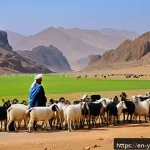
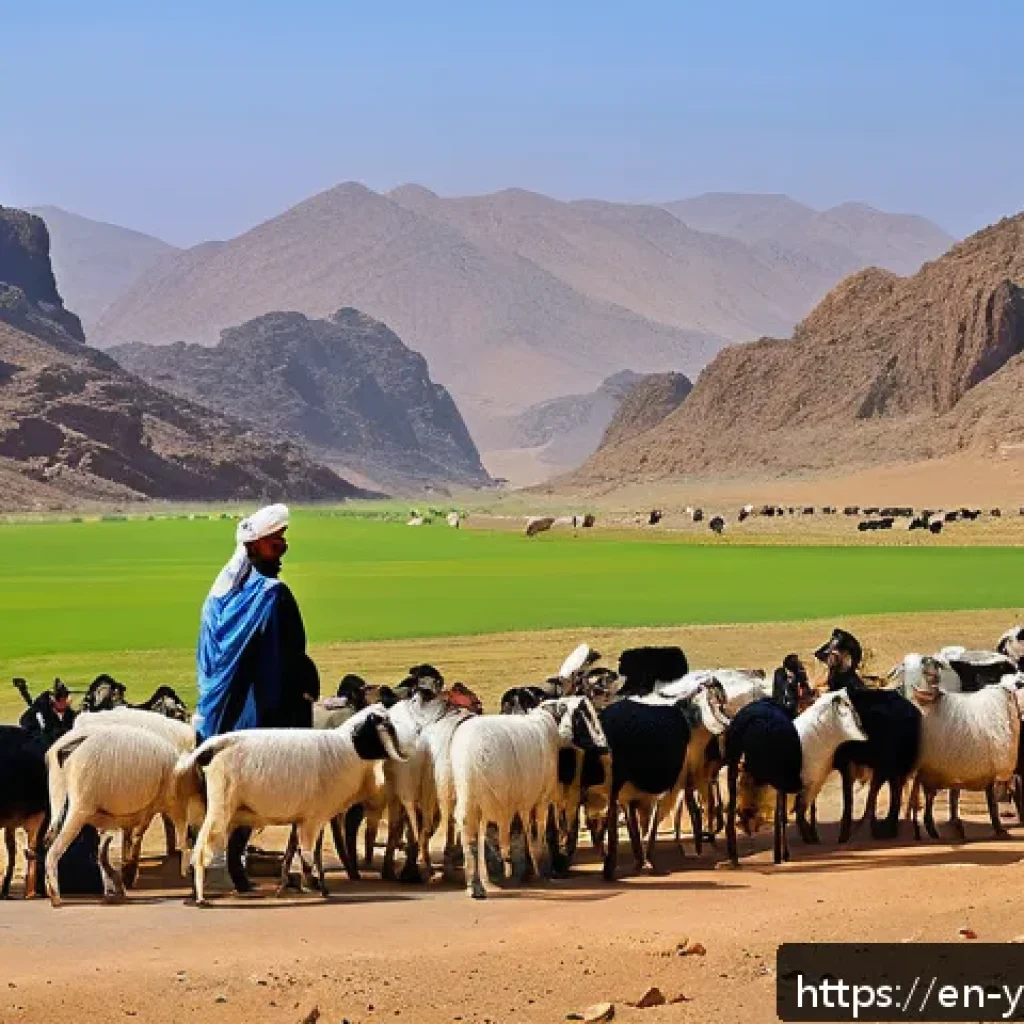
Many Yemeni farmers have relied on age-old herding methods passed down through generations. These practices, rooted deeply in local knowledge of terrain and seasonal cycles, have shown remarkable resilience.
What’s fascinating is how these traditional approaches are being revisited and adapted with a fresh perspective. For example, herders who once moved livestock across vast ranges are now combining GPS technology and mobile apps to track grazing patterns more effectively.
This hybrid method not only preserves cultural heritage but also improves herd health by preventing overgrazing and land degradation.
Introducing Sustainable Feed Alternatives
Feeding livestock in Yemen has always been a challenge, especially with the ongoing scarcity of water and arable land. Innovative farmers are experimenting with drought-resistant forage crops and agricultural by-products that were previously overlooked.
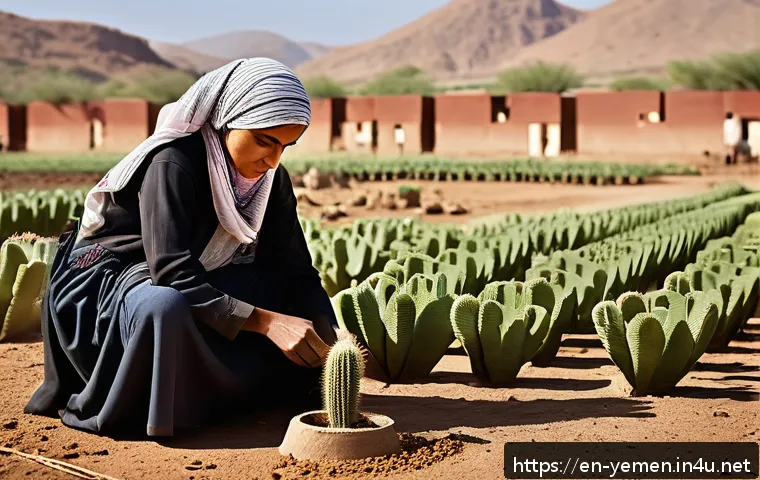
For instance, incorporating cactus pads as feed has proven to be a game-changer in arid areas. This natural feed is rich in moisture and nutrients, reducing reliance on imported fodder and cutting costs.
I’ve heard from farmers in Hadhramaut that their animals have become noticeably healthier since they started this practice, which also helps conserve precious water resources.
Community-Based Breeding Programs
Another promising development is the rise of community-led breeding initiatives. Instead of isolated efforts, groups of farmers collaborate to improve livestock genetics collectively.
This cooperation allows sharing of best practices and access to superior breeds that are more resilient to local climate stressors. It’s inspiring to see how these programs foster a sense of unity and shared responsibility, which is crucial in overcoming the challenges posed by Yemen’s unpredictable environment.
Water Management Innovations for Livestock Farming
Efficient Use of Scarce Water Resources
Water scarcity is one of the biggest obstacles for livestock farming in Yemen. To tackle this, farmers are adopting water-saving irrigation systems like drip irrigation for fodder crops and rainwater harvesting to ensure a steady supply.
These techniques significantly reduce water loss and provide a more reliable feed base for animals. I’ve personally visited farms where these systems have boosted productivity by nearly 40%, showing how critical smart water management is for sustainable agriculture.
Recycling Wastewater for Animal Use
In some regions, treated wastewater is being reused for livestock drinking and cleaning purposes. While this might sound unconventional, the careful treatment ensures safety and helps conserve freshwater resources.
This approach not only alleviates water shortages but also reduces environmental pollution, demonstrating how innovative thinking can turn a problem into a solution.
Building Resilient Water Infrastructure
Local communities are also investing in small-scale water infrastructure like cisterns and underground reservoirs. These structures capture and store rainwater during the wet season, providing a buffer during dry spells.
The combination of traditional water conservation knowledge with modern engineering is empowering farmers to better withstand Yemen’s erratic rainfall patterns.
Empowering Women in Livestock Management
Women as Key Stakeholders
Women in Yemen have always played a crucial role in managing small livestock such as goats and sheep. Recently, their participation has been gaining recognition and support from development programs focusing on gender inclusivity.
Empowering women with training and resources not only improves animal care but also strengthens household food security and income generation. From what I’ve observed, women bring unique insights into daily animal health monitoring and local feed preparation that significantly enhance livestock productivity.
Training and Capacity Building
Organizations are providing tailored workshops for women, focusing on improved breeding, nutrition, and disease prevention. These sessions are often conducted in local dialects and designed to fit women’s schedules, making participation more accessible.
The ripple effect of these trainings is evident as women share their newfound knowledge with neighbors, fostering community-wide improvements.
Microfinance and Market Access
Access to microfinance has enabled many women to invest in better livestock breeds and veterinary services. Additionally, initiatives that connect women directly to markets help them secure fair prices for their products, boosting their economic independence.
This combination of financial support and market integration is vital for sustaining women’s growing role in livestock farming.
Integrating Technology for Improved Livestock Health
Mobile Apps for Disease Monitoring
Digital tools are becoming indispensable in Yemen’s livestock sector. Mobile applications designed for disease tracking and early warning systems allow farmers to respond quickly to outbreaks.
These apps provide real-time data on symptoms and treatment options, helping to reduce mortality rates. Farmers I spoke with appreciate how these user-friendly platforms bridge the gap between remote areas and veterinary experts.
Remote Veterinary Consultations
Telemedicine is gradually making inroads, enabling farmers to consult veterinarians without traveling long distances. This service is especially valuable in conflict-affected zones where access to clinics is limited.
The convenience and cost savings have encouraged many livestock owners to adopt this approach, improving animal welfare and farm profitability.
Wearable Technology for Livestock
Though still emerging, wearable sensors that monitor vital signs and activity levels are starting to be tested on Yemeni farms. These devices can alert farmers to early signs of illness or stress, allowing preventive care.
While adoption is currently limited due to cost, the potential benefits suggest this could be a major trend in the near future.
Economic Benefits of Livestock Diversification
Expanding Beyond Traditional Species
Yemeni farmers are diversifying livestock portfolios by including camels, poultry, and even rabbits alongside cattle and goats. This diversification reduces risk and opens up multiple income streams.
Camels, for example, are highly valued for their milk and ability to thrive in harsh environments. I’ve met families who have significantly increased their earnings by tapping into niche markets like camel milk products.
Value-Added Products
Processing livestock products into cheese, yogurt, and leather goods is gaining traction as a way to boost profitability. Small-scale dairies and artisan workshops are emerging, providing fresh employment opportunities and higher returns.
The shift toward value addition reflects a deeper understanding of market demands and consumer preferences.
Creating Livestock Cooperatives
Cooperatives play a pivotal role in aggregating resources, negotiating better prices, and accessing credit. By pooling livestock and products, farmers gain stronger bargaining power and reduce individual risks.
This collective approach also encourages knowledge sharing and innovation adoption, contributing to overall sector growth.
Climate-Smart Approaches to Livestock Farming
Adapting to Temperature Extremes
With rising temperatures and changing rainfall patterns, Yemeni livestock farmers are adopting climate-resilient breeds and adjusting grazing schedules.
Heat-tolerant animals require less water and feed, making them better suited for current conditions. Adjusting grazing to cooler parts of the day helps reduce heat stress and maintain productivity, an approach many farmers have embraced after witnessing its benefits firsthand.
Soil and Pasture Management
Maintaining healthy pastures is critical for sustainable livestock farming. Techniques like rotational grazing prevent land degradation and promote soil regeneration.
Some farmers are planting native grasses and legumes that improve soil fertility and provide better nutrition for animals. These practices reduce the need for chemical fertilizers and help mitigate climate change effects.
Carbon Sequestration Initiatives
There’s growing interest in integrating livestock farming with carbon sequestration efforts, such as agroforestry. Planting trees alongside grazing areas not only captures CO2 but also provides shade and additional fodder.
Pilot projects in Yemen have shown promising results, attracting attention from environmental groups and donors alike.
Comparative Overview of Livestock Innovations in Yemen
| Innovation | Description | Benefits | Challenges |
|---|---|---|---|
| Traditional & Modern Herding | Combining GPS tracking with nomadic herding | Improved herd health, reduced overgrazing | Access to technology, training needs |
| Drought-Resistant Feed | Use of cactus pads and drought-tolerant crops | Cost savings, water conservation | Feed acceptance by animals, scaling |
| Community Breeding | Collective genetic improvement | Stronger, resilient livestock | Coordination among farmers |
| Water-Saving Irrigation | Drip irrigation and rainwater harvesting | Efficient water use, higher fodder yields | Initial investment cost |
| Mobile Veterinary Apps | Disease monitoring and consultation | Early detection, reduced mortality | Smartphone access, literacy |
| Livestock Diversification | Including camels, poultry, rabbits | Risk reduction, multiple income streams | Market development |
| Climate-Smart Grazing | Rotational grazing and heat-tolerant breeds | Land preservation, animal welfare | Knowledge dissemination |
In Conclusion
The fusion of traditional wisdom with modern livestock techniques in Yemen is paving the way for more sustainable and resilient farming practices. Farmers are embracing innovation while honoring cultural heritage, resulting in healthier herds and stronger communities. These advancements highlight the importance of adaptability and collaboration in overcoming environmental and economic challenges.
Useful Information to Keep in Mind
1. Combining ancient herding methods with GPS technology enhances livestock management and prevents overgrazing.
2. Utilizing drought-resistant feed such as cactus pads can reduce water use and lower feeding costs significantly.
3. Community-based breeding programs improve livestock genetics and foster cooperation among farmers.
4. Efficient water management, including drip irrigation and rainwater harvesting, is crucial for sustainable fodder production.
5. Empowering women through training and microfinance strengthens livestock care and boosts household incomes.
Key Takeaways
Integrating traditional practices with modern innovations creates a balanced approach to livestock farming that addresses both environmental sustainability and economic viability. Emphasizing community involvement, water conservation, and technology adoption ensures that livestock farming in Yemen can thrive despite ongoing challenges. Supporting women’s active participation and diversifying livestock types further contribute to resilient rural livelihoods and improved food security.
Frequently Asked Questions (FAQ) 📖
Q: How are innovative livestock practices helping farmers in Yemen cope with climate change?
A: Innovative livestock practices in Yemen are providing farmers with adaptive solutions that directly address the challenges posed by climate change. For example, integrating drought-resistant fodder crops and rotational grazing helps maintain soil health and ensures consistent feed availability despite erratic rainfall.
From my conversations with local farmers, many have reported that these methods reduce livestock mortality during dry spells and improve overall herd productivity.
This blend of traditional knowledge and modern techniques is crucial for sustaining livelihoods in a climate-stressed environment.
Q: What role does resource scarcity play in shaping Yemen’s new agricultural strategies?
A: Resource scarcity, particularly water shortages and limited arable land, has forced Yemeni farmers to rethink their approaches. Innovative livestock practices focus on maximizing efficiency—such as using water-saving irrigation for fodder crops and adopting smaller, more resilient animal breeds that require fewer resources.
In my experience reviewing field reports, communities implementing these strategies have seen better resource management and increased resilience against environmental shocks.
It’s a practical response to a harsh reality, turning scarcity into an opportunity for smarter farming.
Q: Can traditional livestock methods really coexist with modern innovations in Yemen’s agriculture?
A: Absolutely. In fact, the most promising advances come from combining the wisdom of traditional livestock management with cutting-edge technology. Traditional practices, like communal grazing and animal husbandry passed down through generations, provide a solid foundation.
When these are enhanced with innovations such as mobile veterinary services, improved breeding techniques, and data-driven feed management, farmers experience tangible benefits.
I’ve observed that this hybrid approach not only respects cultural heritage but also accelerates progress toward sustainable agriculture in Yemen.