Lately, Yemen’s fashion scene has been quietly but powerfully transforming, signaling a fresh wave of cultural expression that’s impossible to ignore.

As the world becomes more interconnected, Yemeni designers and creatives are stepping onto the global stage with bold styles that challenge traditional norms.
This shift isn’t just about clothing—it’s about identity, resilience, and storytelling through fabric and form. If you’ve ever wondered how fashion can reflect deeper societal changes, Yemen’s evolving trends offer a fascinating glimpse.
Stick around as we dive into this vibrant revolution shaping a new cultural narrative.
The Rise of Modern Craftsmanship
Reimagining Traditional Textiles
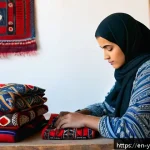
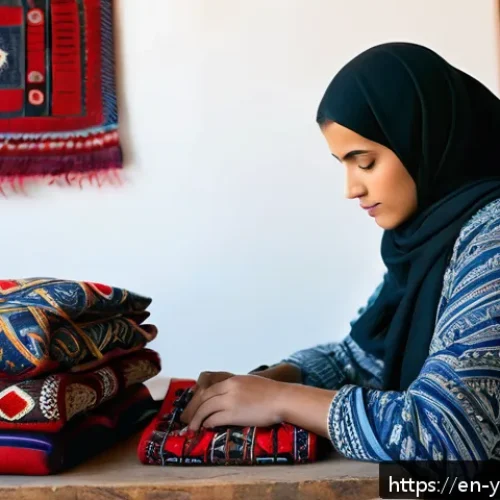
Yemeni designers are breathing new life into age-old fabrics, turning handwoven textiles into contemporary masterpieces. Unlike mass-produced materials, these textiles carry stories—each thread woven with care and cultural significance.
The intricate embroidery, often found on traditional dresses, is now reinterpreted in sleek silhouettes and unexpected color combinations. What I find fascinating is how these artisans blend heritage with innovation, creating pieces that speak to both local pride and global fashion sensibilities.
This fusion highlights a deep respect for craftsmanship that’s both rare and refreshing in today’s fast fashion world.
Local Artisans Meet Global Influence
A growing number of young designers collaborate with local artisans, merging indigenous techniques with modern design principles. It’s not just about preserving tradition but also about evolving it to fit new narratives.
This collaboration results in garments that maintain authenticity while appealing to an international audience. The delicate balance between honoring roots and embracing global trends is challenging, but Yemeni creatives seem to have cracked the code.
Their work is a testament to resilience, showing that even in difficult contexts, creativity thrives and finds new outlets.
Eco-Friendly and Ethical Practices
Sustainability is more than a buzzword in Yemen’s fashion circles; it’s a necessity. Many designers prioritize eco-friendly materials and ethical production, often sourcing natural dyes and organic fabrics.
This commitment reflects a broader cultural ethos of respect for nature and community well-being. Personally, I was impressed when I discovered that some collections incorporate recycled fabrics or use zero-waste cutting techniques.
Such practices not only reduce environmental impact but also add a unique story layer to each piece, making the clothing more meaningful for wearers who value conscious consumption.
Breaking Gender Norms Through Style
Fluidity in Design and Expression
Yemen’s emerging fashion scene is challenging rigid gender binaries by introducing fluid designs that defy conventional expectations. Designers experiment with cuts, colors, and patterns that appeal across genders, encouraging individuals to express themselves beyond traditional labels.
It’s a bold move in a society where gender roles have long been deeply ingrained. The impact goes beyond clothing—it sparks conversations about identity and freedom.
I’ve seen collections featuring oversized silhouettes and delicate embellishments worn by both men and women, which visually disrupts outdated norms and celebrates diversity.
The Role of Street Style and Youth Culture
The younger generation in Yemen is at the forefront of this sartorial rebellion, using fashion as a tool for self-expression and social commentary. Streetwear, mixed with cultural motifs, creates a vibrant, hybrid aesthetic that’s gaining traction on social media.
This grassroots movement is less about haute couture and more about accessibility and attitude. When I followed some Yemeni youth fashion influencers, it was clear how clothing choices become statements of individuality and resistance.
Their style often incorporates bold accessories, layered looks, and unexpected color clashes that shout creativity and confidence.
Empowering Women Through Fashion
Women designers and wearers are pivotal in reshaping Yemen’s fashion narrative. Their work challenges stereotypes and empowers female voices in a male-dominated industry.
Through fashion, women assert autonomy and creativity, crafting identities that reflect strength and elegance. Some designers integrate traditional motifs with empowering messages, creating collections that inspire and uplift.
This shift isn’t just aesthetic—it’s deeply political. For me, seeing these women succeed despite social hurdles is a powerful reminder of how fashion can become a medium of empowerment and change.
Fusion of Heritage and Contemporary Trends
Innovative Use of Colors and Patterns
Color palettes in Yemeni fashion today blend earthy, desert-inspired tones with vibrant hues that pop unexpectedly. This mix reflects a cultural duality—rooted in tradition yet eager to explore new territories.
Patterns often draw from historic symbols but are stylized in abstract or geometric forms. Watching this evolution, I noticed how designers carefully balance nostalgia with freshness, ensuring that their creations feel both familiar and exciting.
This approach not only honors their heritage but also appeals to a global audience hungry for originality.
Adapting Traditional Garments for Modern Life
Classic Yemeni garments like the thobe and futa are being redesigned for contemporary wearability. Designers adjust cuts, lengths, and fabrics to suit urban lifestyles without sacrificing cultural essence.
It’s fascinating how these adaptations make traditional attire more versatile, allowing people to wear their culture proudly in everyday settings. From lightweight materials perfect for warm climates to incorporating pockets and zippers, these functional tweaks demonstrate a thoughtful approach to design.
I’ve personally seen how these garments bridge the gap between past and present in a seamless and stylish way.
Global Collaborations and Influence
Yemeni fashion creatives are increasingly collaborating with international artists and brands, creating cross-cultural dialogues that enrich their work.
These partnerships help introduce Yemeni aesthetics to broader markets and bring fresh perspectives into local design. The exchange is mutually beneficial—global brands gain unique cultural elements while Yemeni designers access new resources and platforms.
I found that such collaborations often spark innovative projects, blending global trends with indigenous craftsmanship. This dynamic exchange accelerates the growth of Yemen’s fashion industry and broadens its influence.
Fashion as a Medium for Social Storytelling
Reflecting Resilience Through Design
Each garment tells a story of endurance and hope, mirroring the realities of life in Yemen. Designers use fashion to document personal and collective narratives—whether it’s through symbolic motifs or the choice of materials.
This storytelling aspect adds emotional depth to their work, transforming clothing into wearable history. Experiencing these collections, I felt a profound connection to the human spirit behind the fabric.
It’s a reminder that fashion is not just about appearance but about communicating identity and lived experience in powerful ways.
Highlighting Cultural Diversity
Yemen’s rich tapestry of tribal and regional cultures is vividly represented in its fashion. Designers draw inspiration from diverse traditions, incorporating unique embroidery styles, jewelry, and fabrics.
This diversity enriches the fashion scene, making it a mosaic of cultural expressions. For outsiders like me, it offers an educational journey into Yemen’s complex social fabric.
The variety in design celebrates unity through diversity, showcasing how multiple identities coexist and thrive through creative expression.
Fashion Events as Platforms for Change
Emerging fashion weeks and exhibitions in Yemen and abroad provide crucial stages for designers to showcase their work and spark dialogue. These events attract attention from media, buyers, and cultural enthusiasts, amplifying Yemeni voices.
Attending some of these showcases, I noticed the palpable energy and pride among participants. They’re not just about aesthetics but about advocating for cultural preservation, economic opportunity, and social progress.
Such platforms are vital in positioning Yemen as a serious contender on the global fashion map.
Emerging Designers to Watch
Profiles of Trailblazing Creatives
Several young Yemeni designers have caught international attention with their innovative approaches and compelling stories. Their work ranges from avant-garde couture to wearable everyday fashion, each bringing a unique perspective rooted in Yemeni culture.

I was particularly drawn to designers who experiment boldly with form and texture, pushing boundaries while staying authentic. Their success stories inspire others and signal a promising future for Yemen’s creative industries.
How Social Media Fuels Growth
Platforms like Instagram and TikTok have become essential tools for Yemeni designers to reach global audiences. They allow creatives to share behind-the-scenes processes, cultural insights, and new collections instantly.
This direct connection fosters community building and customer engagement in ways traditional retail cannot. From my experience following these accounts, the personal storytelling and interactive content significantly boost interest and sales.
Social media is not just marketing; it’s a vital lifeline for emerging talents in challenging environments.
Challenges and Opportunities Ahead
Despite the exciting momentum, Yemeni fashion faces hurdles such as limited infrastructure, political instability, and access to international markets.
However, these challenges also spark innovative solutions—pop-up shops, online boutiques, and community-driven initiatives. The resilience of designers and entrepreneurs creates opportunities for sustainable growth.
Observing this dynamic, I’m optimistic that with continued support and visibility, Yemen’s fashion scene will flourish and inspire beyond its borders.
| Aspect | Traditional Influence | Modern Adaptation | Impact |
|---|---|---|---|
| Textiles | Handwoven fabrics with intricate embroidery | Contemporary cuts and vibrant color combinations | Preserves heritage while appealing globally |
| Gender Expression | Rigid traditional gender roles | Fluid designs crossing gender boundaries | Promotes inclusivity and identity freedom |
| Sustainability | Natural dyes and organic materials | Zero-waste techniques and recycled fabrics | Reduces environmental footprint, adds story value |
| Market Access | Local markets and limited reach | Social media and international collaborations | Expands audience and economic opportunities |
| Storytelling | Symbolic motifs reflecting culture | Garments narrating resilience and identity | Transforms fashion into cultural dialogue |
Fashion’s Role in Economic Empowerment
Creating Job Opportunities
The fashion industry in Yemen is gradually becoming a source of employment, especially for women and young people. Small-scale workshops and cooperatives provide jobs that were previously unavailable in many regions.
I’ve spoken with designers who actively train local women in sewing and design, creating a ripple effect of empowerment. This hands-on approach not only generates income but also builds skills and confidence, fostering economic independence within communities.
Boosting Local Economies Through Craft
By focusing on handmade and locally sourced materials, Yemeni fashion helps sustain traditional crafts that might otherwise fade away. This approach circulates money within local economies, supporting farmers, dyers, and artisans.
The ripple effect strengthens entire supply chains and preserves cultural knowledge. From what I’ve seen, this creates a virtuous cycle where fashion acts as a pillar of cultural and economic sustainability.
Challenges in Scaling and Exporting
While there’s undeniable potential, scaling production and entering international markets remain significant challenges. Political instability and logistical barriers complicate export processes.
Nevertheless, designers are leveraging e-commerce and partnerships with foreign distributors to overcome these obstacles. Personally, I admire their tenacity and innovative mindset in navigating such complex issues.
The ongoing efforts to professionalize the industry will be crucial for long-term success.
Innovations in Yemeni Accessories and Jewelry
Revival of Traditional Adornments
Accessories and jewelry in Yemen have a rich history, often symbolizing social status, tribal identity, or personal milestones. Recently, designers have revived these traditional adornments, incorporating them into modern fashion narratives.
Materials like silver and colorful beads are reimagined into contemporary pieces that complement current trends. I was captivated by how these accessories connect wearers to their heritage while adding an elegant flair to any outfit.
Mixing Old and New Techniques
Craftspeople blend ancient metalworking and beadwork techniques with new technologies such as 3D printing and laser cutting. This fusion results in unique pieces that honor craftsmanship while pushing creative boundaries.
The tactile nature of handmade jewelry combined with precision technology creates a fresh aesthetic that’s both authentic and cutting-edge. From my exploration, this blend of methods reflects the broader theme of Yemen’s fashion evolution—respecting the past while embracing the future.
Global Appeal of Yemeni Designs
Yemeni accessories have started attracting attention from international buyers looking for distinct, artisanal pieces. The market for ethically made, culturally rich jewelry is growing worldwide, and Yemen’s offerings fit perfectly into this niche.
I’ve noticed that these pieces often serve as conversation starters, helping wearers share stories about Yemeni culture. The global appreciation not only validates the artisans’ work but also encourages the preservation and innovation of traditional crafts.
Technology’s Influence on Yemen’s Fashion Landscape
Digital Platforms for Design and Sales
Technology is transforming how Yemeni designers create and distribute their work. Digital sketching tools and design software enable rapid prototyping and experimentation.
Meanwhile, e-commerce platforms break down geographical barriers, allowing designers to reach customers globally. From my observations, this tech integration is leveling the playing field, giving emerging talents access to resources once limited to established fashion capitals.
Virtual Fashion Shows and Online Communities
The rise of virtual events has allowed Yemeni designers to showcase their collections without the constraints of physical venues. Online fashion shows and social media campaigns create immersive experiences that engage global audiences.
I attended a virtual Yemeni fashion week recently, and the energy was palpable despite the screen barrier. These digital spaces also foster community among designers and consumers, encouraging collaboration and support.
Challenges of Digital Adoption
Despite the benefits, limited internet access and technical infrastructure pose challenges for many creatives in Yemen. Not everyone has equal access to digital tools or platforms, which can create disparities within the industry.
However, initiatives aimed at improving connectivity and digital literacy are slowly making a difference. Witnessing these efforts gives me hope that technology will continue to empower Yemen’s fashion community in meaningful ways.
In Conclusion
The evolution of Yemen’s fashion scene beautifully illustrates how tradition and modernity can coexist and inspire one another. Through creativity and resilience, Yemeni designers are redefining cultural identity while opening doors to global recognition. Their work not only celebrates heritage but also empowers communities and sparks meaningful conversations about inclusion and sustainability. Witnessing this vibrant transformation is truly inspiring and hopeful for the future.
Useful Information to Keep in Mind
1. Yemeni fashion blends traditional handwoven textiles with modern design, creating unique pieces that honor cultural roots while appealing globally.
2. Gender-fluid designs are gaining momentum, challenging conventional norms and encouraging self-expression across diverse audiences.
3. Sustainability is a core value, with many designers prioritizing eco-friendly materials and ethical production methods.
4. Social media platforms play a crucial role in helping Yemeni designers reach international markets and build communities.
5. Despite challenges like political instability and limited infrastructure, innovative approaches are fostering growth and economic empowerment in the fashion industry.
Key Takeaways
The Yemeni fashion industry is a dynamic blend of cultural preservation and innovation, marked by a strong commitment to sustainability and inclusivity. Local artisans and emerging designers collaborate to create garments that tell powerful stories of identity, resilience, and heritage. Digital technology and social media have become vital tools for expanding reach and overcoming logistical barriers. While obstacles remain, the determination and creativity within this community signal a promising and impactful future on the global fashion stage.
Frequently Asked Questions (FAQ) 📖
Q: uestions about Yemen’s Emerging Fashion SceneQ1: What makes Yemen’s current fashion movement stand out from traditional styles?
A: Yemen’s new fashion wave is unique because it blends rich cultural heritage with modern, bold designs that challenge long-standing norms. Designers are using traditional fabrics and motifs but reinterpreting them in fresh ways that speak to contemporary identity and resilience.
This isn’t just about preserving the past—it’s about telling new stories that reflect today’s social and cultural shifts.
Q: How are Yemeni designers gaining international recognition despite the country’s challenges?
A: Many Yemeni creatives are leveraging social media platforms and digital marketplaces to showcase their work globally, bypassing traditional barriers like limited local infrastructure.
By connecting directly with international audiences, collaborating with global brands, and participating in virtual fashion events, they’ve carved out a space on the world stage.
Their authenticity and compelling storytelling resonate strongly, helping them stand out.
Q: In what ways does fashion in Yemen reflect broader societal changes?
A: Fashion in Yemen has become a powerful form of expression that mirrors the country’s resilience and evolving cultural identity. As people seek to assert pride and hope amid adversity, clothing has transformed into a medium for storytelling—communicating messages of empowerment, unity, and change.
This shift highlights how fashion is deeply intertwined with social dynamics, not just aesthetics.