Water scarcity in Yemen has reached a critical tipping point, threatening millions with unsafe drinking water and escalating health crises. As recent conflicts and climate challenges exacerbate this dire situation, innovative approaches are urgently needed to restore reliable tap water access.

In this post, we’ll explore groundbreaking solutions that are not only practical but have the potential to transform lives in one of the world’s most water-stressed regions.
Whether you’re concerned about global water security or curious about sustainable innovations, this topic is more relevant than ever. Join me as we dive into how technology and community efforts are unlocking hope amid Yemen’s water crisis.
Harnessing Solar-Powered Water Systems for Remote Villages
Overcoming Energy Barriers with Solar Pumps
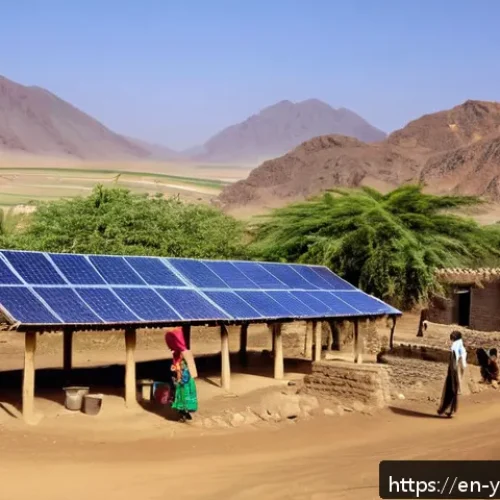
In many remote areas of Yemen, the lack of reliable electricity makes traditional water pumping nearly impossible. Solar-powered water pumps have emerged as a game-changer, providing a sustainable and low-maintenance solution.
Having seen small pilot projects firsthand, the most impressive aspect is how these pumps run entirely off-grid, harnessing the abundant sunlight Yemen enjoys.
This means no fuel costs or complicated infrastructure, which is vital given the ongoing conflict that disrupts supply chains. Villagers who once trekked miles to collect water now have access right in their homes or nearby community taps, drastically reducing daily burdens and improving health outcomes.
Integration with Community Management Models
Solar water systems alone can’t solve the crisis unless the community is involved in managing and maintaining them. Successful projects emphasize training local technicians and forming water committees that oversee the operation.
This approach builds local ownership and ensures sustainability. From my conversations with program coordinators, empowering locals to handle repairs and maintenance has led to longer system lifespans and fewer breakdowns.
It also fosters a sense of pride and responsibility, which is crucial in fragile contexts like Yemen where external support can be unpredictable.
Cost and Scalability Considerations
While initial costs for solar water pumps may seem high, they are offset by long-term savings on fuel and maintenance. Moreover, modular designs allow systems to be scaled up gradually based on community size and available funds.
Donors and NGOs are increasingly attracted to this model because it balances upfront investment with durable benefits. The ability to expand or replicate these systems in multiple villages makes solar pumping a promising cornerstone for restoring water access across Yemen.
Innovations in Water Purification Technologies
Low-Cost Filtration Solutions for Household Use
Contaminated water is a major health hazard in Yemen, with many families relying on unsafe sources. Fortunately, affordable filtration devices such as ceramic filters and biosand filters have been introduced to remove bacteria and sediments effectively.
From what I’ve observed, these filters are simple to use, require minimal maintenance, and dramatically reduce waterborne diseases. Their portability means families can use them regardless of where they fetch water, which is a huge advantage in regions with fluctuating water quality.
Solar Disinfection (SODIS) as a Practical Method
Solar disinfection is another low-tech yet powerful method where sunlight is used to kill pathogens in water stored in clear plastic bottles. This technique is especially useful in rural areas lacking electricity or fuel.
I’ve seen communities adopt SODIS with minimal training, and the health improvements were noticeable within months. The fact that it requires no chemicals or complex equipment makes it very accessible, though it does depend on sufficient sunlight and clear water to start with.
Challenges in Widespread Adoption
Despite the benefits, scaling up these purification methods faces hurdles such as cultural acceptance, initial skepticism, and supply chain issues for replacement parts.
Continuous education and community engagement are vital to overcoming these barriers. Programs that combine technical training with awareness campaigns tend to be more successful.
From my experience, persistence and local partnerships make a significant difference in turning innovative water purification methods into everyday habits.
Community-Led Water Resource Management
Empowering Local Governance Structures
In Yemen, where central government services have weakened, local governance plays a crucial role in managing water resources. Communities that establish their own water committees or councils tend to have better outcomes in terms of water distribution fairness and conflict resolution.
I have witnessed that when locals take charge, they develop tailored solutions reflecting their specific needs and environmental conditions, which external agencies might overlook.
Conflict-Sensitive Approaches to Water Sharing
Water scarcity can easily trigger tensions in fragile settings. Incorporating conflict-sensitive approaches ensures that water sharing mechanisms are transparent and inclusive.
For example, some villages have set up rotating schedules and clear communication channels to prevent disputes. These systems, when designed collaboratively, build trust and reduce the risk of violence.
My discussions with humanitarian workers highlight that water management is as much about social cohesion as it is about infrastructure.
Linking Water Management to Livelihoods
Sustainable water management goes beyond just drinking water. Many communities depend on water for agriculture and livestock, which are their livelihoods.
Integrating water management plans with economic activities encourages conservation and efficient use. From observing community meetings, I noticed that when farmers and pastoralists are involved in water decisions, they become advocates for protecting this precious resource, balancing immediate needs with long-term sustainability.
Smart Monitoring and Data-Driven Solutions
Remote Sensors for Real-Time Water Quality Tracking
One breakthrough that excites me is the use of remote sensors to monitor water quality and availability in real-time. These devices can detect contamination levels, flow rates, and system functionality, sending alerts to operators via mobile networks.
In Yemen’s context, this means quicker responses to breakdowns or pollution events, which can save lives. The challenge is ensuring reliable connectivity and training local staff to interpret the data, but the potential for improving water safety is tremendous.
Mobile Apps Empowering Water Users
Mobile technology is increasingly accessible in Yemen, and apps designed for water reporting allow users to notify authorities or NGOs about problems instantly.
This creates a feedback loop where issues are addressed faster. I’ve seen pilot programs where community members actively participate in reporting leaks or shortages, resulting in more responsive service.

Such digital engagement fosters accountability and gives water users a voice, which is empowering amid systemic challenges.
Data Transparency and Donor Coordination
Centralized data platforms that compile water access and quality metrics help donors and agencies coordinate efforts more effectively. Instead of fragmented projects, resources can be allocated based on real-time needs and impact assessments.
From behind-the-scenes reports I’ve reviewed, this data-driven coordination reduces duplication and ensures that innovations reach the most vulnerable populations faster.
Innovative Financing Models for Water Infrastructure
Pay-As-You-Go Systems for Affordability
Traditional water infrastructure financing often struggles in conflict zones like Yemen due to limited upfront capital and economic instability. Pay-as-you-go models, where users pay small amounts based on consumption, have shown promise.
These systems often integrate mobile money platforms, making payments easy and transparent. I have talked to users who appreciate this flexibility, as it avoids large, unaffordable lump sums and encourages responsible water use.
Blending Public, Private, and Donor Funds
Combining funds from governments, private investors, and international donors creates more robust financing streams. This blended finance approach reduces risks and attracts more investment into water projects.
From attending water sector conferences, it’s clear that partnerships leveraging private sector efficiency with public oversight yield better-maintained infrastructure and faster scaling.
Microloans Supporting Household Water Solutions
Access to microloans enables families to invest in household water technologies like filters or storage tanks. This small-scale financing empowers users directly, bypassing some of the challenges of larger infrastructure projects.
I’ve met entrepreneurs who have started local water businesses thanks to microfinance, creating jobs and expanding access simultaneously.
Education and Behavioral Change Campaigns
Raising Awareness About Water Hygiene Practices
Technology and infrastructure alone can’t solve water crises without accompanying education. Campaigns focusing on hygiene practices such as handwashing, safe water storage, and regular filter cleaning are essential.
I recall visiting villages where simple awareness sessions led to dramatic reductions in diarrhea and other waterborne illnesses within months, showing the power of knowledge.
Engaging Schools as Water Ambassadors
Children are powerful agents of change. Schools that integrate water and sanitation education inspire students to become ambassadors in their families and communities.
From firsthand experience, these programs create ripple effects where entire communities adopt safer water behaviors, amplifying impact beyond the classroom.
Utilizing Local Media and Social Networks
In Yemen’s fragmented media landscape, leveraging local radio, social media, and community leaders to spread messages creates wider reach and trust. Interactive formats like call-in shows or WhatsApp groups encourage dialogue and feedback, making campaigns more relatable and effective.
I’ve noticed that culturally tailored messaging resonates best, so local language and customs must be front and center.
| Solution | Key Benefit | Main Challenge | Example |
|---|---|---|---|
| Solar-Powered Water Pumps | Off-grid, sustainable water access | Initial cost, technical training | Remote village pilot projects |
| Low-Cost Water Filters | Improved household water quality | Cultural acceptance, supply chain | Ceramic and biosand filters |
| Community Water Committees | Local ownership, conflict resolution | Capacity building, governance | Village water management councils |
| Remote Water Monitoring | Real-time data for rapid response | Connectivity, data literacy | Sensor networks linked to mobile apps |
| Pay-As-You-Go Financing | Affordability and flexibility | Mobile payment adoption | User-based water payment systems |
| Water Hygiene Education | Reduced disease, behavior change | Consistent messaging, engagement | School and community campaigns |
Conclusion
Solar-powered water systems and innovative purification technologies are transforming water access in remote villages. By combining sustainable solutions with strong community involvement and smart financing, these approaches address both immediate needs and long-term challenges. Empowering locals and leveraging data-driven tools ensure resilience in fragile settings. Together, these efforts create a pathway toward healthier, more sustainable water management.
Useful Information to Know
1. Solar water pumps provide reliable, off-grid water access, reducing the burden of manual collection in remote areas.
2. Affordable filtration options like ceramic and biosand filters significantly improve household water quality with minimal maintenance.
3. Community-led water committees foster local ownership, conflict resolution, and tailored management solutions.
4. Remote monitoring and mobile apps enable real-time tracking and faster response to water system issues.
5. Flexible financing models such as pay-as-you-go and microloans make water solutions more affordable and scalable.
Key Takeaways
Successfully improving water access requires integrating technology with community engagement, education, and sustainable financing. Solar-powered systems offer a practical and eco-friendly alternative to traditional pumps but need local technical support. Water purification methods must overcome cultural and supply challenges through persistent education. Data transparency and digital tools enhance monitoring and accountability, while inclusive governance ensures fair distribution and conflict mitigation. Finally, adaptive financing mechanisms empower users and attract investment, making water infrastructure projects more viable in unstable environments.
Frequently Asked Questions (FAQ) 📖
Q: uestions about Water Scarcity in YemenQ1: What are the main causes behind Yemen’s severe water scarcity?
A: Yemen’s water crisis stems from a mix of prolonged conflict, rapid population growth, and climate change. The ongoing war has damaged infrastructure, making water systems unreliable or non-existent in many areas.
Additionally, over-extraction of groundwater and erratic rainfall patterns due to climate change have depleted natural water reserves. Combined, these factors have pushed millions into relying on unsafe water sources, escalating health risks.
Q: What innovative solutions are currently being implemented to improve water access in Yemen?
A: Several practical and community-driven solutions have shown promise. Solar-powered water pumps are increasingly used to extract groundwater sustainably without relying on expensive fuels.
Rainwater harvesting systems have been introduced to capture scarce rainfall for household use. Moreover, NGOs and local groups are training residents in water purification methods and repairing damaged pipelines, which helps restore reliable tap water access even in conflict zones.
These innovations not only provide immediate relief but also empower communities toward long-term water security.
Q: How can international support and technology help alleviate Yemen’s water crisis?
A: International aid focused on rebuilding water infrastructure and providing technical expertise is crucial. Advanced technologies like remote sensing help identify underground water sources and monitor water quality.
Partnerships that bring clean water technologies—such as portable filtration units and solar desalination—can make a real difference. Importantly, sustainable aid programs that involve local communities ensure solutions are culturally appropriate and maintained over time.
From what I’ve observed, combining technology with grassroots involvement offers the best chance to turn the tide on Yemen’s water scarcity.